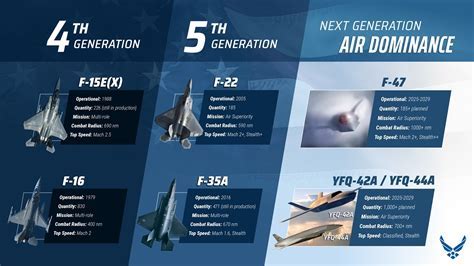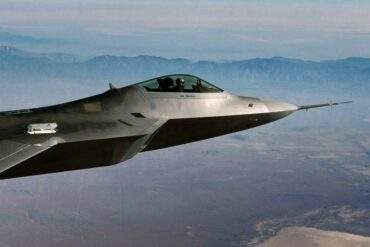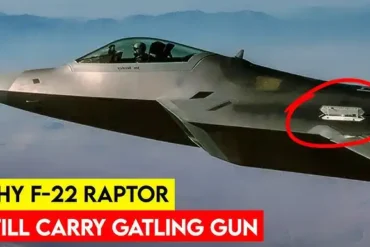
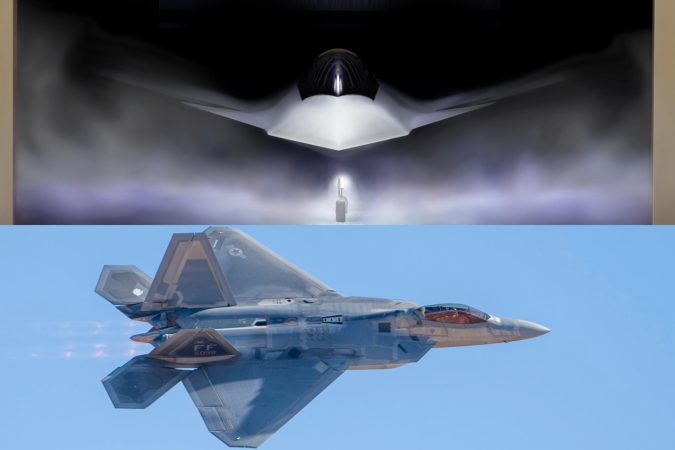
The F-22 Raptor, once considered the pinnacle of fifth-generation air superiority, is nearing the end of its dominance. As the landscape of aerial warfare evolves, so too must the United States Air Force’s fleet. Enter the F-47, a sixth-generation stealth fighter, poised to redefine air combat supremacy. The contract to develop this cutting-edge aircraft, worth $20 billion, was awarded to Boeing, marking a significant victory over its primary competitor, Lockheed Martin. This article delves into the F-47’s development, Boeing’s winning bid, and the implications of this monumental shift in the defense sector.
The F-47: A Game-Changer in Air Dominance
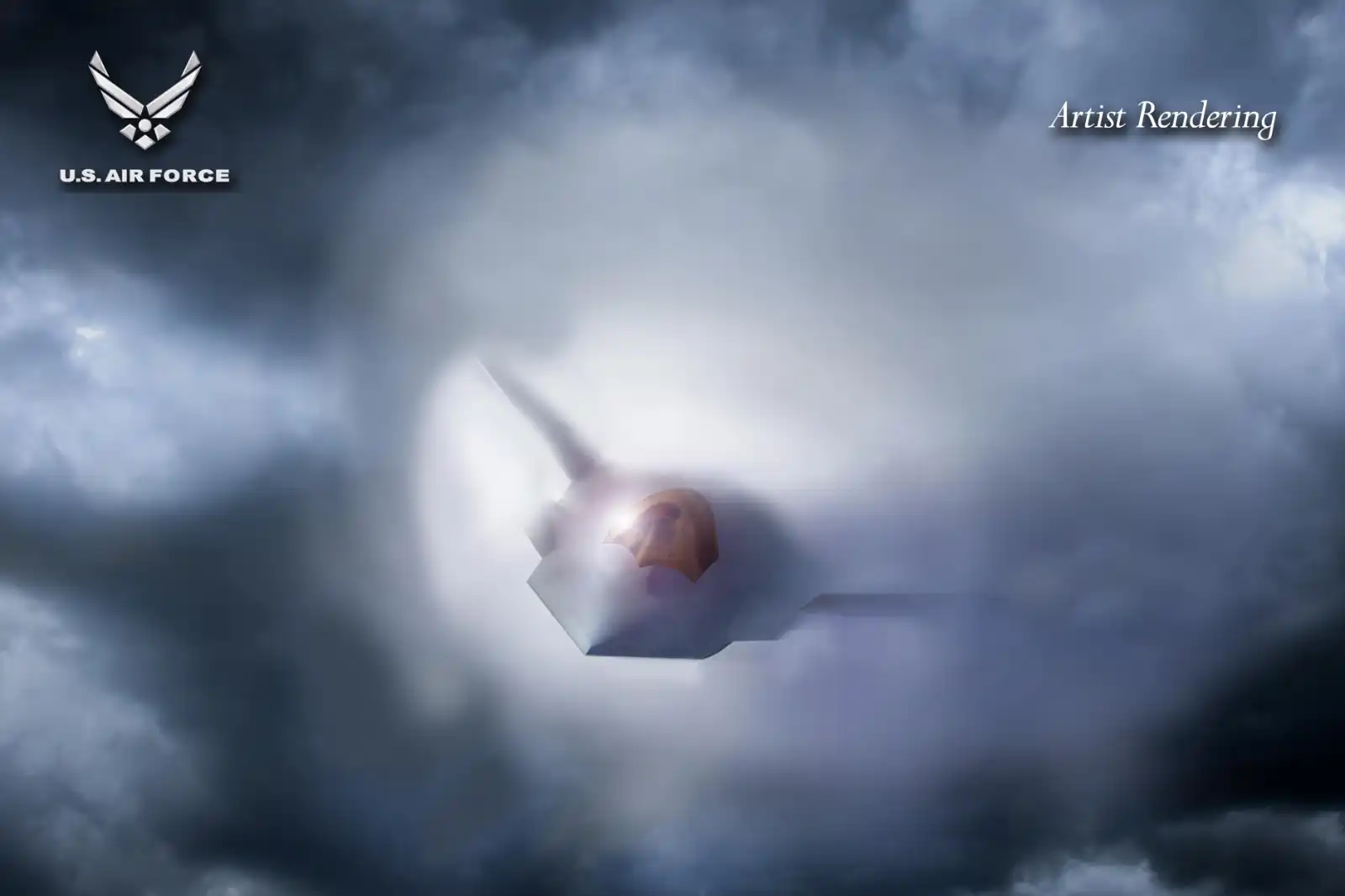
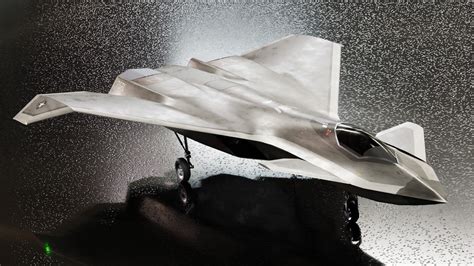
The F-47, part of the Next Generation Air Dominance (NGAD) program, is not merely an aircraft; it is a “family of systems” integrating crewed and uncrewed combat drones, advanced artificial intelligence, and stealth technology beyond current capabilities. The aircraft will operate in tandem with Collaborative Combat Aircraft (CCA), unmanned wingmen that enhance situational awareness, combat effectiveness, and survivability in contested environments.
Boeing’s Winning Bid
Boeing’s selection for the NGAD contract is a watershed moment for the company. For decades, Lockheed Martin has dominated the stealth fighter market with the F-22 Raptor and F-35 Lightning II. However, Boeing’s emphasis on next-generation design, digital engineering, and cost-effective production helped it secure this contract.
Steve Parker, the interim president and CEO of Boeing Defense, Space & Security, stated:
“We are ready to provide the most advanced and innovative NGAD aircraft needed to support the mission.”
Historical Significance of the F-47 Designation
The F-47 designation pays tribute to the P-47 Thunderbolt, a World War II fighter known for its durability and firepower. Additionally, the designation reflects key milestones in Air Force history:
- 1947: The founding year of the U.S. Air Force
- 47th President of the United States: A nod to Donald Trump, whose administration backed advanced fighter development
The Evolution of the NGAD Program
The origins of NGAD trace back to 2014, when DARPA initiated research into air superiority strategies. The findings concluded that a singular fighter jet would be insufficient; instead, an integrated system of air, space, and cyber assets would be required. Consequently, the U.S. Air Force’s Air Superiority 2030 study laid the foundation for the current program.
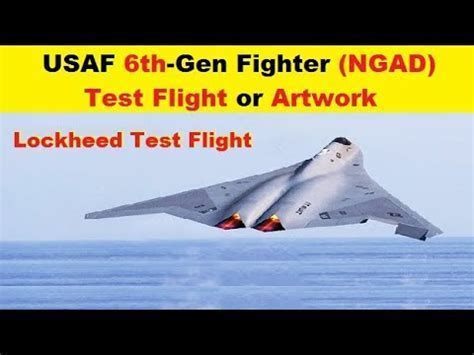
In 2020, Air Force acquisition chief Will Roper confirmed the successful test flight of a classified prototype, a groundbreaking revelation that signified the program’s rapid progress.
Stealth, Speed, and Superiority: What to Expect from the F-47
The F-47’s design remains highly classified, but based on Boeing’s released concepts, it is expected to feature:
- Tailless cranked-wing design for enhanced stealth
- Adaptive cycle engines offering improved efficiency and thrust
- AI-powered avionics for pilot-assisted combat
- Hypersonic capabilities for high-speed engagements
- Multi-domain integration linking air, space, and cyber warfare systems
Impact on the Defense Industry
Boeing’s victory has disrupted the status quo, sending ripples through the defense sector:
- Stock Market Response: Boeing’s stock jumped 3%, adding $4 billion in value, while Lockheed Martin’s dropped 5.4%, equating to a $6 billion loss.
- Lockheed Martin’s Reaction: The company expressed disappointment but reaffirmed its commitment to NGAD-related projects, particularly through unmanned systems development.
- Northrop Grumman’s Role: Initially a competitor, Northrop Grumman withdrew in 2023, opting instead to serve as a supplier of advanced technologies for the winning bidder.
Challenges Ahead
The F-47’s development will not be without challenges:
- Cost Considerations: Early estimates suggest a price tag of $300 million per aircraft, leading to concerns about affordability.
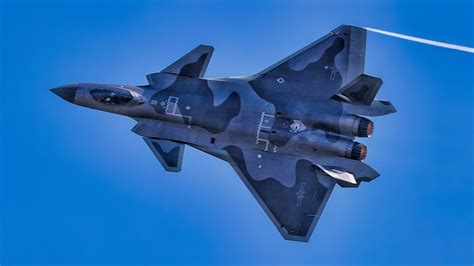
- China’s Military Advancements: China’s J-20 and J-35 stealth fighters are rapidly evolving, necessitating a technological edge.
- Production Timelines: Meeting the Air Force’s 2029 operational goal will require unprecedented efficiency in design and testing.
The Future of Air Warfare
With the F-47, the U.S. Air Force is aiming for unmatched lethality, survivability, and flexibility. This aircraft is designed for highly contested environments, integrating next-generation weapons and defensive measures.
As Air Force Secretary Frank Kendall stated:
“NGAD will include attributes such as enhanced lethality and the ability to survive, persist, interoperate, and adapt in the air domain.”
The F-47 will operate alongside autonomous drones, reshaping modern aerial combat into a blend of human expertise and machine intelligence.

Conclusion
Boeing’s triumph in securing the NGAD contract marks the beginning of a new era in U.S. air superiority. The F-47 will replace the F-22 Raptor, ushering in a sixth-generation warfare strategy that integrates stealth, speed, and AI-enhanced combat capabilities. As geopolitical tensions rise, the U.S. Air Force is betting on the F-47 to ensure unrivaled dominance in future conflicts.
FAQ
1. Why is the F-47 being developed to replace the F-22?
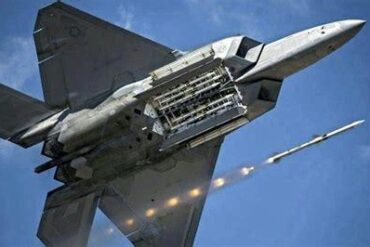
The F-22 Raptor, while still formidable, lacks the range, connectivity, and stealth advancements necessary to counter emerging threats. The F-47 is designed to surpass current fifth-generation fighters and operate seamlessly with autonomous systems.
2. What makes the F-47 different from previous stealth fighters?
Unlike the F-22 and F-35, the F-47 will feature next-generation stealth, AI-driven combat systems, adaptive engines, and enhanced integration with drones, making it the most advanced fighter jet in history.
3. When will the F-47 enter service?
The U.S. Air Force aims to field the F-47 by 2029, though development and testing challenges could influence the timeline. Budget constraints and geopolitical factors will also play a role in the aircraft’s final rollout.