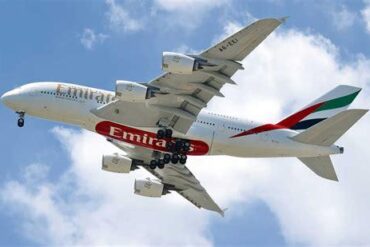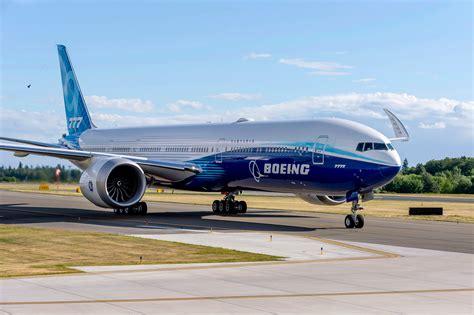
The Boeing 777X arrives at a critical juncture in commercial aviation—a time defined by sustainability demands, shifting travel patterns, and relentless pressure on airlines to extract maximum value from every aircraft in their fleet. Positioned as a natural successor to the now-discontinued Airbus A380, the 777X is Boeing’s ambitious answer to the evolving needs of long-haul travel. But does it genuinely resolve the issues that doomed its European counterpart, or is it merely history repeating in a different livery?
The Length Race: Boeing Pushes the Boundaries
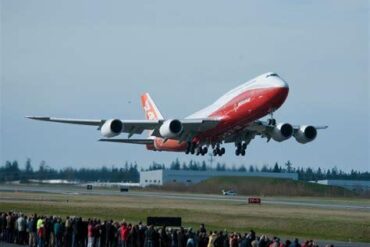
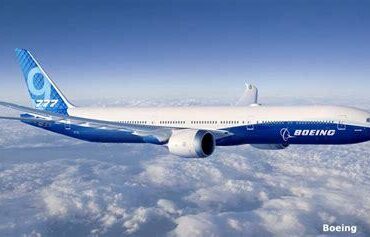
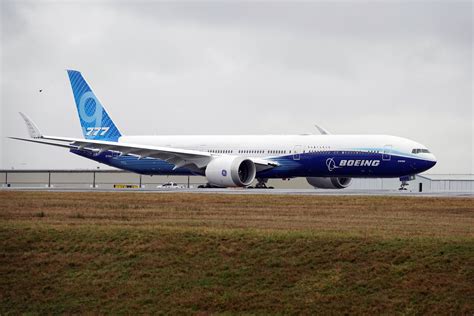
The Boeing 777-9, the flagship variant of the 777X family, measures a staggering 251 feet 9 inches (76.73 meters)—officially the longest passenger aircraft ever built. This milestone surpasses the Boeing 747-8, itself a symbol of engineering audacity, which extends to 250 feet 2 inches. While the A380 may be the largest in overall volume, it measures only 238 feet 8 inches (72.73 meters) in length, making it notably shorter than the 777X.
This disparity underscores Boeing’s shift in design philosophy. The 777X doesn’t rely on a second deck to deliver capacity. Instead, it stretches a single-deck airframe to its practical limits, allowing for a more conventional airport compatibility—something that constantly plagued the A380’s global operations due to infrastructure limitations.
The A380’s Double-Deck Gamble: Vision Meets Harsh Economics
The Airbus A380 launched with grandeur and optimism. Designed as a double-decker airliner with unmatched capacity, it was intended to revolutionize long-haul air travel by flying hundreds of passengers between global hubs. The initial A380-800 variant was to be followed by a longer A380-900, which never materialized.
By introducing only the shorter model, Airbus mirrored the strategic error of launching a family aircraft program with its smallest variant—akin to Boeing starting the 747 program with the 747SP. This short-sighted approach, compounded by tepid airline demand and airport compatibility issues, ensured the A380’s decline before it had a chance to evolve.
Despite its massive footprint and iconic appearance, the A380 failed to achieve widespread adoption. Its inefficient quad-engine layout, inability to operate profitably on most routes, and dependence on premium-heavy carriers like Emirates led to its retirement from production in 2021.
Wingspan, Weight, and Presence: Where the A380 Still Reigns
The 777X’s wingspan—235 feet 5 inches (71.75 meters)—is a marvel of engineering. It even surpasses the 747-8, and thanks to its folding wingtips, the aircraft retains compatibility with existing airport gates. Yet the A380 remains the undisputed king of size with a staggering 261 feet 8 inches (79.75 meters) wingspan.
Weight differences further expose the 777X’s underdog status in sheer physical scale. The 777-9’s Maximum Takeoff Weight (MTOW) stands at 351 tons, rising to 365 tons for its freighter variant. In comparison, the A380 boasts a colossal 575-ton MTOW, placing it in a different class entirely.
Even vertically, the A380’s 79 feet (24.1 meters) height eclipses the 777X’s 64 feet 1 inch (19.53 meters). The double-deck layout remains unmatched in scale, serving as a visual symbol of aviation’s most ambitious era.
Technological Overhaul: The 777X Is Not Just a Stretch
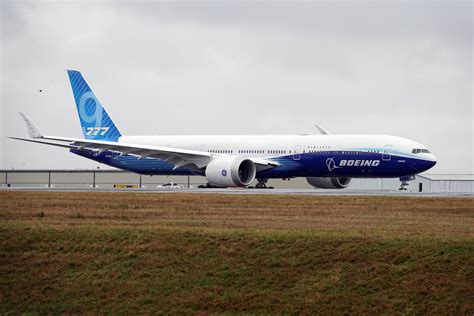
Unlike the A380, which introduced a radically new airframe, the 777X represents an evolutionary leap from Boeing’s most successful wide-body: the 777-300ER. More than 800 units of the -300ER have been sold, making it a cornerstone of long-haul travel.
The 777X improves on its predecessor with:
- New carbon-fiber composite wing with folding tips for airport compatibility.
- GE9X engines, the largest and most efficient ever produced for a twin-jet.
- Redesigned vertical stabilizer and enhanced aerodynamics.
- 787-inspired cabin systems for better passenger comfort.
These upgrades allow Boeing to market the 777X as a high-efficiency, high-capacity aircraft—a proposition that directly contrasts with the A380’s high-capacity, low-efficiency problem.
Strategic Market Positioning: Avoiding the A380’s Trap
Where the A380 targeted a narrow market segment—hub-to-hub super-jumbo routes—the 777X follows a more nuanced strategy. It occupies the space above the Airbus A350-1000 and below the now-defunct A380, giving it a unique role in an evolving aviation ecosystem.
Premium carriers like British Airways, Qatar Airways, and Cathay Pacific plan to use the 777X for ultra-long-haul routes requiring first-class cabins, while deploying A350s for lower-density, fuel-sensitive segments. This route segmentation enables the two aircraft families to complement rather than compete.
Customer Concentration and Operational Risk
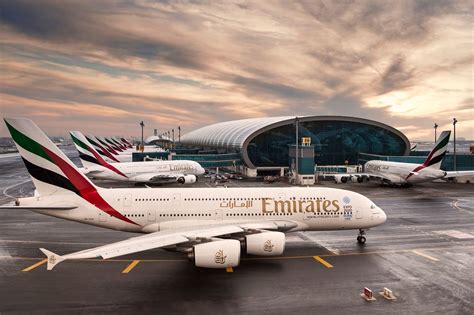
Despite a robust order book exceeding 500 aircraft, the 777X faces a risk reminiscent of the A380’s downfall: customer concentration. Emirates alone accounts for 205 aircraft, or over 40% of total orders. This dependency mirrors the A380’s reliance on a handful of Gulf carriers, a structure that left Airbus vulnerable when those airlines adjusted their fleet strategies.
The 777X is tailored for operations from hot-and-high airports like Dubai International, requiring high-thrust takeoffs and long-range capability. These design considerations add weight—an Achilles’ heel that, if not offset by high load factors, could undermine the aircraft’s economics.
Engine Excellence: The GE9X Propels a New Era
The General Electric GE9X engine is a technological triumph, offering:
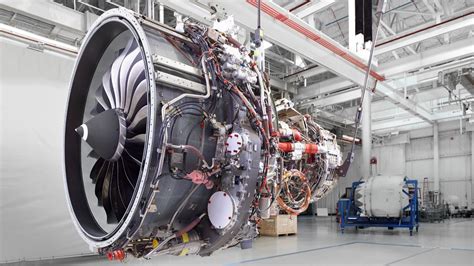
- 134-inch fan diameter, making it the largest turbofan engine in the world.
- Composite fan blades and ceramic matrix composites for extreme durability.
- High-pressure ratio core that delivers improved fuel burn by 10% over GE90 engines.
These enhancements make the 777X the most fuel-efficient aircraft in its class, giving it a vital edge in a market where sustainability and cost-saving are paramount.
Cabin Experience: Comfort Meets Innovation
The 777X cabin draws heavily from the 787 Dreamliner, with notable improvements:
- Larger, electronically dimmable windows for natural lighting and passenger control.
- Lower cabin altitude (6,000 feet) to reduce fatigue on long-haul flights.
- Wider fuselage sidewalls, offering a more spacious cabin feel.
The cockpit redesign includes 787-style avionics, providing flight crews with an intuitive, efficient interface. Common type ratings across Boeing wide-bodies help airlines streamline pilot training and optimize fleet operations.
Overlap, Not Rivalry: Airlines Want Both A350 and 777X
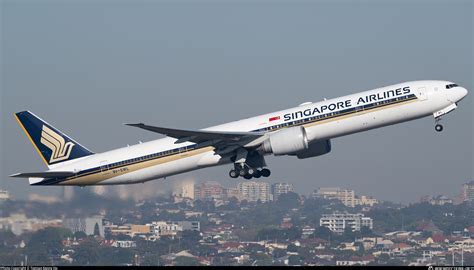
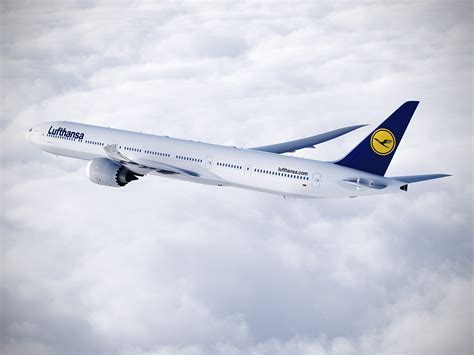
Perhaps the most revealing insight comes from examining the customer overlap between 777X and A350 operators. Airlines such as Singapore Airlines, Lufthansa, Qatar Airways, and Air India have committed to both aircraft types.
This suggests that airlines see distinct roles: the 777X for high-capacity trunk routes, the A350 for fuel-sensitive, flexible long-haul operations. The aircraft are less competitors and more partners in diversified fleet strategies.
Development Delays: A Race Against Time
One glaring issue haunts the 777X: time-to-market. Originally slated for entry into service in 2020, the aircraft now faces a six-year delay due to certification hurdles, supply chain issues, and shifting regulatory requirements.
These setbacks have allowed Airbus to cement the A350’s dominance, as carriers hesitant to wait have opted for aircraft with proven track records. The longer Boeing takes to deliver, the greater the risk of losing further market share.
Conclusion: A Balancing Act Between Ambition and Realism
The Boeing 777X aspires to be everything the A380 wasn’t—economical, flexible, technologically advanced, and tailored to the actual needs of modern carriers. Yet, it still carries echoes of the A380’s gamble: immense size, a narrow buyer base, and high entry cost.
If Boeing can deliver on fuel efficiency, reliability, and operational versatility, the 777X may well succeed where the A380 faltered. However, its ultimate success hinges on Boeing’s ability to execute its vision on time and prove that bigger can be better—only if it’s smarter too.
The 777X is not a direct successor to the A380. It is, instead, a calculated evolution of Boeing’s most successful wide-body aircraft—crafted with lessons from both triumph and failure. Its fate will not be decided by size alone, but by the unforgiving arithmetic of airline economics and passenger preference.