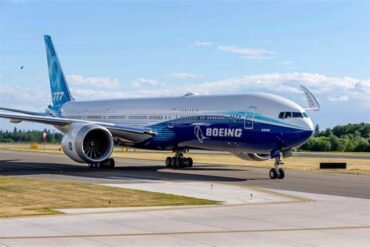
Emirates, the world’s largest operator of widebody aircraft, has long pinned part of its future fleet strategy on the next-generation Boeing 777X. With more than 200 aircraft on order, Emirates’ investment in the 777X is not just substantial—it’s foundational. Yet, with years of delays plaguing Boeing’s development program, a key question continues to circulate in the aviation industry: When will Emirates finally begin flying the Boeing 777X?
The answer, while still evolving, is becoming clearer—but not without a thick layer of corporate caution, certification hurdles, and growing regional pressure.
Current Timeline: 2026 to 2027, with Cautious Optimism
Boeing’s latest internal forecast, delivered with what Emirates president Sir Tim Clark has described as “cautious optimism,” suggests that Emirates could begin operating its first 777X aircraft between Q3 2026 and Q1 2027. This would be a full year beyond the originally contracted delivery date of October 2025.
Clark, a long-standing critic of the delays, recently shifted to a more hopeful tone:
“I’m quite impressed with the energy, the concern they have about getting that done… they weren’t just talking the talk, they were walking the talk.”
Such comments, particularly from a seasoned executive known for holding suppliers to high standards, signal that Boeing’s commitment may be regaining some credibility.
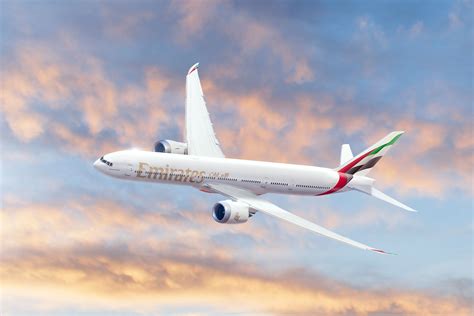
Still, optimism alone won’t get the aircraft airborne. One of the most critical benchmarks Boeing must clear is ETOPS (Extended-range Twin-engine Operational Performance Standards) certification, which must be finalized by early 2026 if Emirates is to take delivery by Q4 of that year.
Delays Have Changed the Game: A Timeline of Missed Deadlines
Originally, the 777X program was meant to launch in 2021, with Emirates expected to be among the first operators. In fact, had the timeline held, Emirates would already have 80 of its ordered 777X aircraft in active service. Instead, the launch slipped repeatedly—from 2021 to 2022, then to 2025, and most recently, to the end of 2026 following fresh regulatory and manufacturing hurdles.
This series of setbacks has caused Emirates to take dramatic steps. In response to the void left by the delayed 777X, the airline initiated a $5 billion retrofit program to upgrade 219 aircraft in its current fleet. This includes retrofitting existing 777-300ER and Airbus A380 jets to ensure passenger experience remains competitive.
The delays have not only affected Emirates’ internal operations but have also introduced risk into the UAE’s broader aviation and tourism growth plans. Dubai’s future airport infrastructure is already underway, and the strategic vision for the UAE positions Emirates as a key catalyst for tourism and global connectivity. With countries across the Gulf Cooperation Council (GCC) ramping up their aviation capacities, further slippage in the 777X timeline could cost the UAE a competitive edge.
What Makes the 777X So Important to Emirates?
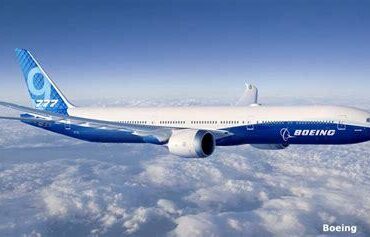
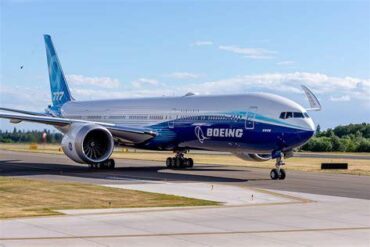
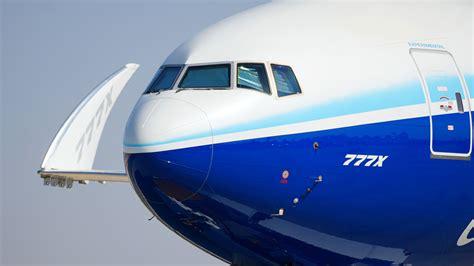
The Boeing 777X isn’t just another aircraft order for Emirates; it’s the future flagship of the fleet. The aircraft, which combines the best features of the 777 and the 787 Dreamliner, promises substantial fuel efficiency gains, a wider cabin, larger composite wings with folding tips, and the industry’s most powerful commercial jet engine, the GE9X.
For Emirates, this means:
- Greater range for ultra-long-haul flights
- Improved per-seat economics
- Enhanced cabin comfort for premium passengers
- Long-term alignment with global carbon reduction strategies
These capabilities are essential for a carrier that operates a hub-and-spoke model out of Dubai, where fleet efficiency and high-capacity aircraft directly influence profit margins.
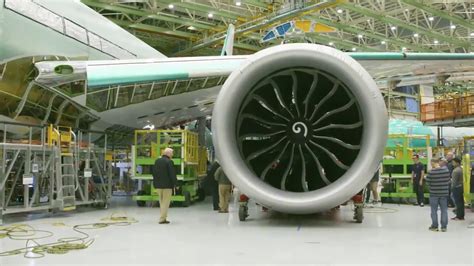
Given these expectations, the delays have had cascading impacts. Every year the aircraft isn’t delivered is another year Emirates must continue flying older models, reducing overall operational efficiency. It’s no surprise then that Emirates has been one of the most vocal airlines urging Boeing to accelerate progress.
Inside Boeing: Can the 777X Program Meet Its New Deadlines?
Boeing has had a tumultuous decade. From the 737 MAX crisis to quality control issues across multiple assembly lines, the company’s reputation has taken repeated hits. The 777X, while not plagued with the same type of safety concerns, has suffered from developmental delays, regulatory uncertainties, and supply chain setbacks.
In particular, the aircraft’s certification process has been one of the primary bottlenecks. Regulatory agencies, including the Federal Aviation Administration (FAA), have taken a more cautious approach post-MAX. This means Boeing has to meet higher scrutiny standards and exhaustive testing for every new component and system, slowing progress.
Yet, according to Emirates’ recent dialogue with Boeing, the planemaker has restructured teams, increased engineering resources, and implemented daily executive oversight on the 777X’s progress. Boeing’s revised projection for a Q4 2026 entry into service (EIS) now hinges on three things:
- Timely ETOPS certification
- Stabilized supply chains
- Synchronized delivery logistics across global airline customers
What Happens If Boeing Misses Again? Emirates’ Plan B
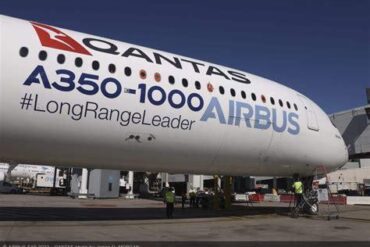
Though hopeful, Emirates is not without a fallback. The ongoing retrofit program is one component of its contingency plan, but the airline has also been more active in evaluating other fleet options. It has explored additional orders for the Airbus A350, an aircraft type it already has on order and expects to begin flying by 2024.
Moreover, Emirates may explore extending the lifespan of its 777-300ER fleet, which currently serves as the backbone of its long-haul operations. This would involve even more heavy investment in cabin updates and maintenance contracts, but given the airline’s deep financial resources, it remains a viable—if less ideal—option.

Clark has hinted that further delays may prompt Emirates to reassess future orders, putting real pressure on Boeing to adhere to current timelines. While the airline is unlikely to cancel the 777X order outright, it could significantly alter delivery schedules or even seek compensation for further lapses.
Strategic Implications for the UAE and the Global Aviation Industry
The 777X’s success is about more than Emirates. It’s a key asset in the UAE’s Vision 2030 and Dubai Economic Agenda, both of which rely heavily on aviation and tourism as GDP drivers. A delay in this aircraft affects not only the airline but also infrastructure planning, route development, and international partnerships.
Globally, the 777X’s entry into service is watched closely by other major carriers, including Lufthansa, Qatar Airways, and Singapore Airlines, all of whom have orders pending. Emirates, being the launch customer with the largest backlog, effectively sets the tone for industry-wide adoption.
If the aircraft successfully enters service by late 2026, it will mark a major turning point for Boeing, restoring confidence after years of setbacks. But if the delays persist, it may drive airlines to diversify their long-haul fleet strategies, possibly giving Airbus an even stronger foothold in the widebody segment.
Final Outlook: Eyes on the Runway for Q4 2026
The clock is ticking. Boeing’s 777X program is under immense pressure—not just to deliver an aircraft, but to restore faith in its long-term production capabilities. Emirates, meanwhile, has made it clear that its patience, while not infinite, remains tentatively intact—for now.
With a global spotlight trained on the program, the coming months will determine whether Boeing’s cautious optimism will finally translate into tangible results. If the American manufacturer can clear certification hurdles and deliver aircraft by late 2026, Emirates will take a giant leap forward in modernizing its fleet.
Until then, the industry continues to watch—and wait.