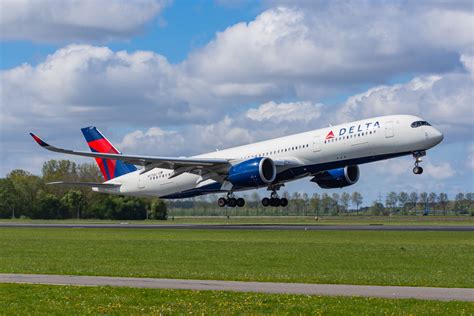
Delta Air Lines, one of the most iconic names in American aviation, has long pursued a balance between speed, efficiency, and passenger comfort in its widebody fleet. While its history includes high-speed classics like the Convair 880, which reached an astonishing 600 mph (970 km/h), the airline’s current fastest aircraft represents a radical evolution in both performance and sustainability: the Airbus A350-900.
With its high cruising speed, fuel-sipping design, and remarkable cabin innovations, the Airbus A350-900 is not just Delta’s swiftest aircraft but also the technological flagship of its transoceanic operations.
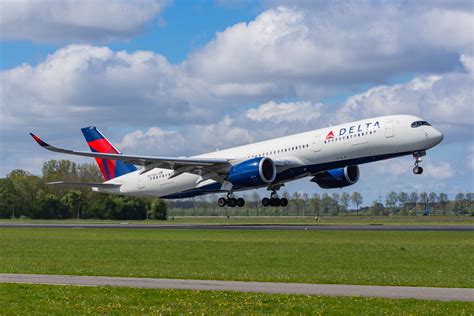
The Rise of the A350 in Delta’s Fleet
Delta Air Lines introduced the Airbus A350-900 as part of a strategic pivot to modernize its long-haul operations and retire aging aircraft like the Boeing 747. The A350 offered not just an upgrade in terms of speed and range, but also a revolutionary leap in cabin experience and operating efficiency.
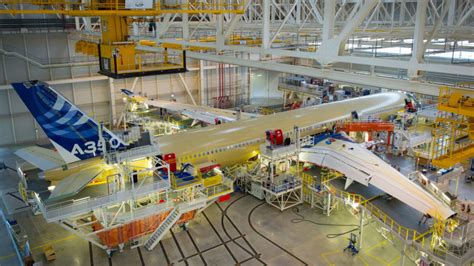
Crafted using 53% carbon-fiber composite materials, along with advanced aluminum alloys and titanium, the A350 boasts a lighter frame that contributes directly to its impressive fuel savings and reduced carbon emissions. This structural innovation also gives the aircraft superior aerodynamics, enabling a consistent cruising speed of Mach 0.85—or about 560 mph (900 km/h).
Delta currently operates 38 Airbus A350-900s, with the aircraft predominantly used on long-haul routes to Asia and Europe. These routes benefit not just from the plane’s range of 8,500 nautical miles (15,750 km) but also from its superior speed and comfort.
Inside the Airbus A350: A Technological Marvel
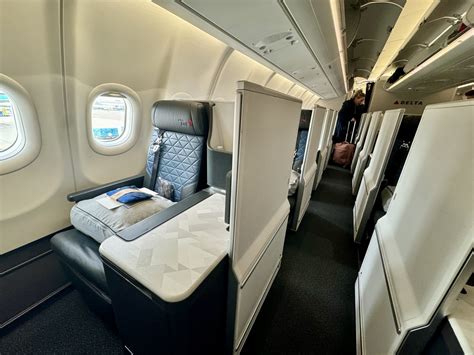
The A350 is more than just fast. It is intelligently engineered for endurance, comfort, and efficiency. Passengers aboard Delta’s A350 experience a revolutionized cabin environment, thanks to cabin pressurization at 6,000 feet instead of the typical 8,000, helping reduce fatigue and dehydration on long-haul journeys. The higher humidity levels, quieter acoustics, and adaptive LED lighting within the cabin add another layer of sophistication to the flying experience.
The plane’s Airspace cabin includes modern layout features that make space optimization possible without sacrificing comfort. Delta One Suites, exclusive to the A350 on Delta’s fleet, offer fully enclosed lie-flat seating, direct aisle access, and personalized in-flight entertainment systems—setting a new standard for business class across the industry.
Performance Numbers That Define the A350-900
Everything about the A350-900 points to high-speed, long-range excellence. Key specifications include:
- Cruising Speed: Mach 0.85 (about 560 mph or 900 km/h)
- Range: 8,500 NM (15,750 km)
- Typical Seating: 332–352 passengers
- Wingspan: 212 ft 5 in (64.75 m)
- Cabin Length: 167 ft 5 in (51.04 m)
- Maximum Fuel Capacity: 166,488 liters
These figures not only solidify the A350-900 as Delta’s fastest current aircraft but also make it a cornerstone in their ambition to cut per-seat operational costs and maximize route potential.
An Aircraft Built for the Long Haul
The A350 has allowed Delta to extend its reach into ultra-long-haul markets that were previously less feasible with older aircraft. Thanks to its superior fuel burn rate—around 25% lower than legacy airframes—the aircraft has significantly reduced Delta’s overall carbon footprint while unlocking new direct services, particularly across the Pacific.
From Tokyo to Seoul and across the Atlantic to Amsterdam, the A350-900 operates seamlessly on extended missions with minimal downtime. The combination of range, speed, and passenger appeal makes it a dream aircraft for both Delta’s operations team and the customers they serve.
Future-Proofing with the A350-1000
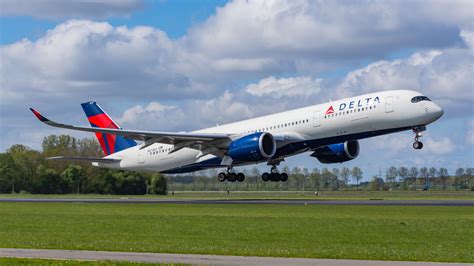
Delta’s commitment to the A350 platform goes even further. In January 2024, the airline placed a bold order for 20 Airbus A350-1000s, with options for 20 more. This move signals not just confidence in Airbus’s widebody platform but also in the continued expansion of Delta’s premium international network.
The A350-1000, an even more formidable version of the -900, offers:
- Typical Seating: 375–400 passengers
- Range: 9,000 NM (16,700 km)
- Engines: Rolls-Royce Trent XWB-97
This aircraft will be the largest in Delta’s fleet, allowing it to capture more premium market share on busy international routes without sacrificing the speed and environmental efficiency that define the A350 series. Despite its extended fuselage and larger capacity, the -1000 maintains the same Mach 0.85 cruise speed as the -900.
Engine Innovation and Wing Flexibility
A key contributor to the A350’s velocity is its innovative wing design. With the Adaptive Drooped Hinge Flaps and Droop Nose Device, the aircraft generates optimal lift during takeoff and landing while maintaining aerodynamic superiority in cruise.
The A350-900 uses Rolls-Royce Trent XWB-84 engines, while the upcoming -1000 variant will leverage the more powerful Trent XWB-97 engines, enhancing both takeoff performance and fuel efficiency without compromising cruise speed.
The large composite wings not only stretch 212 feet, but also flex gracefully in flight, reducing drag and turbulence—further adding to its speed advantage.
Safety, Strength, and Resilience
The robustness of the A350’s composite design was put to the test in 2024 during a tragic incident at Tokyo Haneda Airport, where a Japan Airlines A350-900 collided with a Coast Guard aircraft. Despite the intense fire, all 379 passengers and crew aboard the A350 survived. Experts credited the aircraft’s fire-resistant composite materials for preserving the fuselage long enough for evacuation.
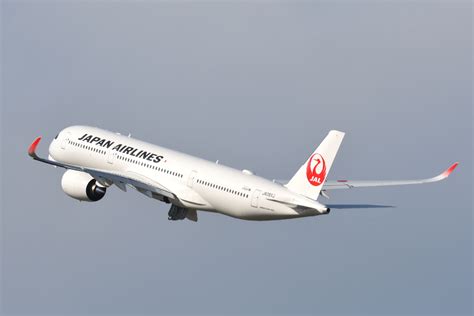
This incident underscored the A350’s reputation not only for speed and efficiency but also for its uncompromising safety standards.
A Competitive Edge Over the Boeing 787
While often compared to the Boeing 787 Dreamliner, the Airbus A350-900 actually sits in a slightly higher category in terms of capacity and cabin width. The A350’s cabin is five inches wider than the 787, allowing for more spacious seating arrangements—an important feature for Delta’s premium branding.
More importantly, in Delta’s configuration and mission profiles, the A350’s speed and range capabilities consistently outperform its American counterpart, making it a more attractive asset for long-haul deployment. While both aircraft offer composite construction and similar noise-reducing features, the A350 shines through in operational flexibility.
Navigating Global Aerospace Politics
Delta’s acquisition of the A350 has not been without geopolitical hurdles. Tariffs on European aircraft imposed by the United States have threatened to inflate delivery costs for Airbus jets, including the A350. Airbus CEO Guillaume Faury has pushed back strongly, advocating for a return to duty-free trade in civil aerospace. Fortunately, a temporary framework has been agreed upon between the U.S. and the EU to exempt widebody aircraft from the most damaging tariffs.
Delta has remained committed to its Airbus investments, opting for overseas deliveries when necessary and supporting political efforts to maintain open trade channels for aerospace components.
Conclusion: The Future of Speed at Delta
With the Airbus A350-900 currently dominating its widebody fleet and the more powerful A350-1000 on the horizon, Delta Air Lines has firmly positioned itself as a leader in high-speed, sustainable long-haul travel. The aircraft’s blend of Mach 0.85 speed, low emissions, advanced aerodynamics, and premium passenger experience places it at the core of Delta’s global ambitions.
In an era where airlines must balance operational costs with environmental responsibility and consumer expectations, the A350 stands as the fastest, smartest, and most future-ready aircraft flying under the Delta banner today.