The story of supersonic bombers is not just about speed—it is about power projection, technological audacity, and the relentless pursuit of strategic dominance. These aircraft were engineered at the razor’s edge of physics, designed to pierce the sky faster than sound while carrying payloads capable of reshaping battlefields—or ending civilizations. From Cold War brinkmanship to modern precision warfare, supersonic bombers have embodied both the brilliance and the gravity of human innovation.
What makes these aircraft so compelling is not just their speed, but the engineering philosophies behind them. Some were designed for nuclear deterrence, others for tactical strikes, and a few blurred the line between fighter and bomber. Together, they form a lineage of machines that pushed aerodynamics, propulsion, and avionics to their limits.
The Dawn of Supersonic Bombing Capability
The emergence of supersonic bombers coincided with the early Cold War, when speed became synonymous with survival. Aircraft that could outrun interceptors and surface-to-air missiles were considered essential to maintaining a credible deterrent. The race to exceed Mach 1—and then Mach 2—transformed aviation into a domain of extreme engineering.
Supersonic bombers were not just faster versions of earlier aircraft. They required entirely new airframe geometries, heat-resistant materials, and sophisticated navigation systems capable of operating at high altitude and velocity. The result was a generation of aircraft that looked as futuristic as the missions they were designed to perform.
Dassault Super Mystère: Europe’s Supersonic Pioneer
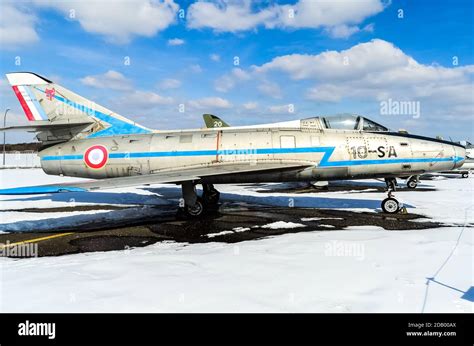
The Dassault Super Mystère marked a turning point for European aviation, becoming the first Western European aircraft to break the sound barrier in level flight. Introduced in the late 1950s, it represented a bold leap forward in both speed and strike capability.
Its design combined sleek aerodynamics with practical firepower, including twin 30mm cannons and multiple hardpoints capable of carrying bombs, rockets, and missiles. While modest compared to later bombers, its versatility made it a formidable platform in regional conflicts.
The aircraft’s operational history, particularly in Middle Eastern wars, demonstrated how supersonic capability could shift tactical dynamics, allowing rapid strike missions and improved survivability against enemy defenses.
Convair B-58 Hustler: The First Mach 2 Strategic Bomber
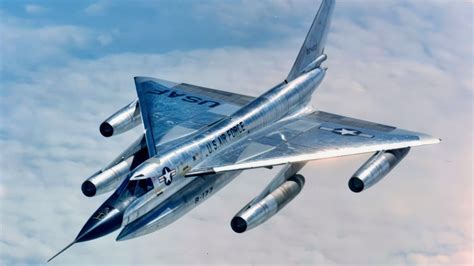
The Convair B-58 Hustler was a revolutionary aircraft that redefined what a bomber could be. As the world’s first operational Mach 2 bomber, it introduced a level of speed and sophistication previously unseen in military aviation.
Its delta-wing configuration and advanced systems allowed it to cruise at extreme altitudes and velocities, making interception incredibly difficult. The Hustler’s reliance on external weapons pods was unconventional but effective, reducing drag while maintaining payload flexibility.
Despite its groundbreaking design, the aircraft faced significant challenges, including high operational costs and a concerning accident rate. Yet its legacy remains undeniable—it proved that strategic bombing at twice the speed of sound was not only possible but practical.
Dassault Mirage IV: France’s Nuclear Spearhead
The Dassault Mirage IV was built with a singular purpose: delivering nuclear weapons deep into enemy territory. Its sleek delta-wing design and twin-engine configuration enabled speeds exceeding Mach 2, making it one of the fastest bombers of its time.
Unlike many of its contemporaries, the Mirage IV lacked defensive armament. Its survival depended entirely on speed, altitude, and mission precision. It was designed to fly into hostile airspace, deliver its payload, and escape before interception—a high-risk, high-stakes mission profile.
Over time, the aircraft evolved into a reconnaissance platform, proving its adaptability. Its long service life reflects the enduring effectiveness of its design philosophy, even as warfare shifted toward precision and intelligence gathering.

Rockwell B-1B Lancer: The Low-Level Penetrator
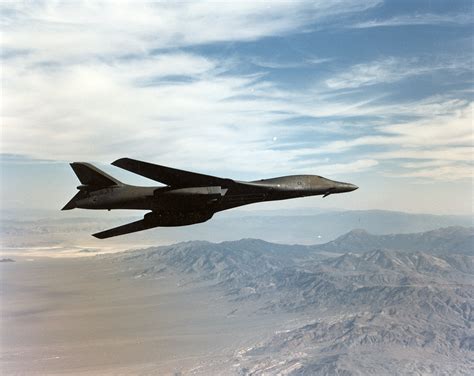
The Rockwell B-1B Lancer represents a different approach to supersonic bombing—one focused on terrain-hugging penetration rather than high-altitude speed. With variable-sweep wings and powerful engines, it combines flexibility with raw power.
Capable of carrying one of the largest payloads in the U.S. arsenal, the B-1B excels in conventional warfare. Its ability to fly at low altitude reduces radar detection, allowing it to penetrate heavily defended airspace.
Over decades of service, it has proven its value in multiple conflicts, delivering precision strikes with devastating effectiveness. The B-1B stands as a testament to how supersonic bombers evolved from nuclear deterrence tools into versatile instruments of modern warfare.
Tupolev Tu-22: The Soviet Maritime Striker
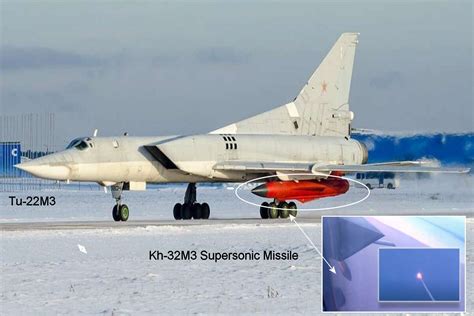
The Tupolev Tu-22 was designed with a specific mission in mind: targeting naval assets, particularly aircraft carriers. Its supersonic speed and missile capabilities made it a potent threat in maritime warfare.
Although its range limited its strategic reach, the Tu-22 excelled in regional strike roles. It could deliver both conventional and nuclear payloads, making it a flexible component of Soviet military strategy.
Its continued use in modern conflicts highlights the durability of its design. Even decades after its introduction, it remains a relevant and formidable platform in certain operational contexts.
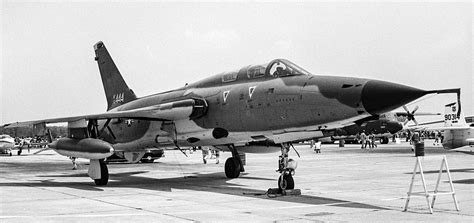
Republic F-105 Thunderchief: The Workhorse of Vietnam
The Republic F-105 Thunderchief was built for nuclear delivery but found its true calling in conventional warfare during the Vietnam War. Its ability to carry heavy bomb loads at supersonic speeds made it indispensable.
Despite its impressive capabilities, the aircraft faced numerous technical challenges, including maintenance issues and vulnerability to enemy defenses. Yet it flew thousands of missions, earning a reputation as a rugged and reliable strike aircraft.
Its story is one of adaptation—an aircraft designed for one kind of war, proving its worth in another. The Thunderchief remains a symbol of resilience under pressure.
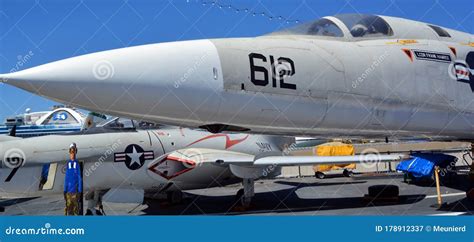
North American A-5 Vigilante: Carrier-Based Supersonic Innovation
The North American A-5 Vigilante stands out as the only supersonic bomber designed for carrier operations. This alone makes it a remarkable engineering achievement.
Its ability to launch from and land on aircraft carriers while maintaining Mach 2 performance required exceptional structural integrity and advanced design solutions. Initially intended for nuclear strike missions, it later transitioned into a reconnaissance role.
The Vigilante’s operational history includes dramatic near-misses and high-risk missions, underscoring the dangers faced by its crews. It remains one of the most unique and ambitious aircraft ever deployed at sea.
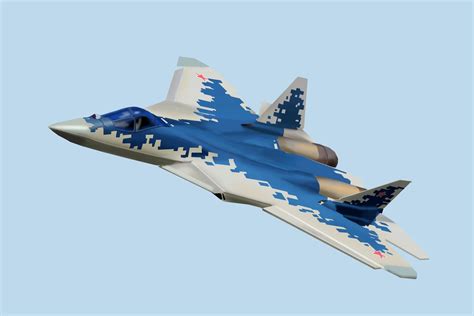
Sukhoi Su-34: Modern Multirole Supersonic Bomber
The Sukhoi Su-34 represents the modern evolution of the supersonic bomber. Combining fighter agility with bomber payload capacity, it is designed for long-range precision strikes in contested environments.
Equipped with advanced avionics and a wide array of weapons, the Su-34 can engage targets on land, sea, and air. Its extended range and endurance make it ideal for sustained operations.
While not stealthy, it compensates with speed, payload, and versatility. The Su-34 reflects a shift toward multi-mission capability, where adaptability is as important as raw performance.
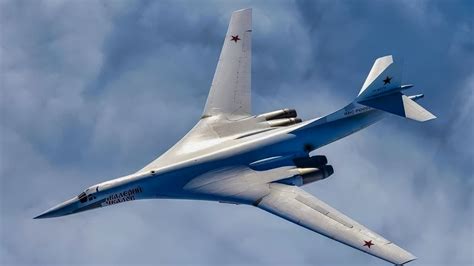
Tupolev Tu-160: The Supersonic Giant
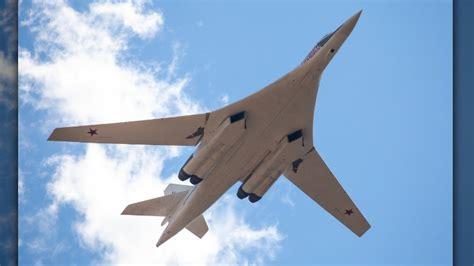
The Tupolev Tu-160 is the largest and fastest supersonic bomber ever built. Its imposing size and sweeping wings give it a distinctive presence, while its performance capabilities place it in a class of its own.
With intercontinental range and a massive payload capacity, the Tu-160 is designed for strategic missions on a global scale. It can carry a variety of weapons, including cruise missiles capable of striking targets thousands of miles away.
Its continued operation underscores its strategic importance. The Tu-160 is not just a bomber—it is a symbol of power projection and technological prowess.
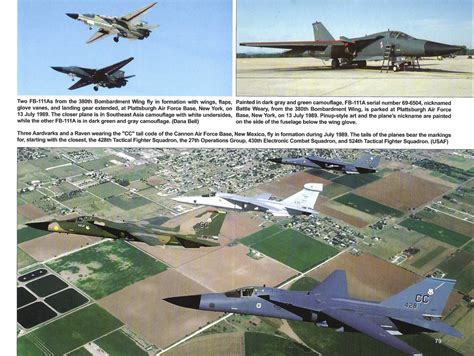
General Dynamics F-111 Aardvark: The Tactical Game-Changer
The General Dynamics F-111 Aardvark introduced a range of innovations that reshaped tactical aviation. Its variable-sweep wings allowed it to transition seamlessly between low-speed takeoff and high-speed flight.
Designed for precision strikes, it could operate in all weather conditions and at low altitude, making it incredibly difficult to detect. Its combination of speed, payload, and advanced targeting systems made it a highly effective strike platform.
The Aardvark’s long service life speaks to its success. It bridged the gap between traditional bombers and modern multirole aircraft, setting the stage for future developments.
The Legacy of Supersonic Bombers
Supersonic bombers are more than machines—they are milestones in the evolution of military aviation. Each aircraft on this list represents a unique approach to solving the challenges of speed, payload, and survivability.
Their development pushed the boundaries of engineering, leading to innovations that continue to influence modern aircraft design. From delta wings to variable geometry, from analog navigation to digital precision systems, their impact is far-reaching.
Even as stealth technology and unmanned systems redefine the future of warfare, the legacy of supersonic bombers endures. They remain a testament to what can be achieved when ambition meets engineering excellence at supersonic speed.