As the undisputed titan of global aviation, the United States has not only pioneered air travel but also redefined the boundaries of what is possible in commercial aircraft engineering. At the forefront stands Boeing—a name synonymous with aerospace ambition. Over decades of innovation, Boeing has produced marvels that soar not just in the skies but in price tags, pushing the limits of design, range, and passenger luxury. Below, we chronicle the seven most expensive commercial jets ever built in America, all proudly bearing the Boeing name.
Boeing 787-10 Dreamliner – A Carbon-Fiber Revolution at $340 Million
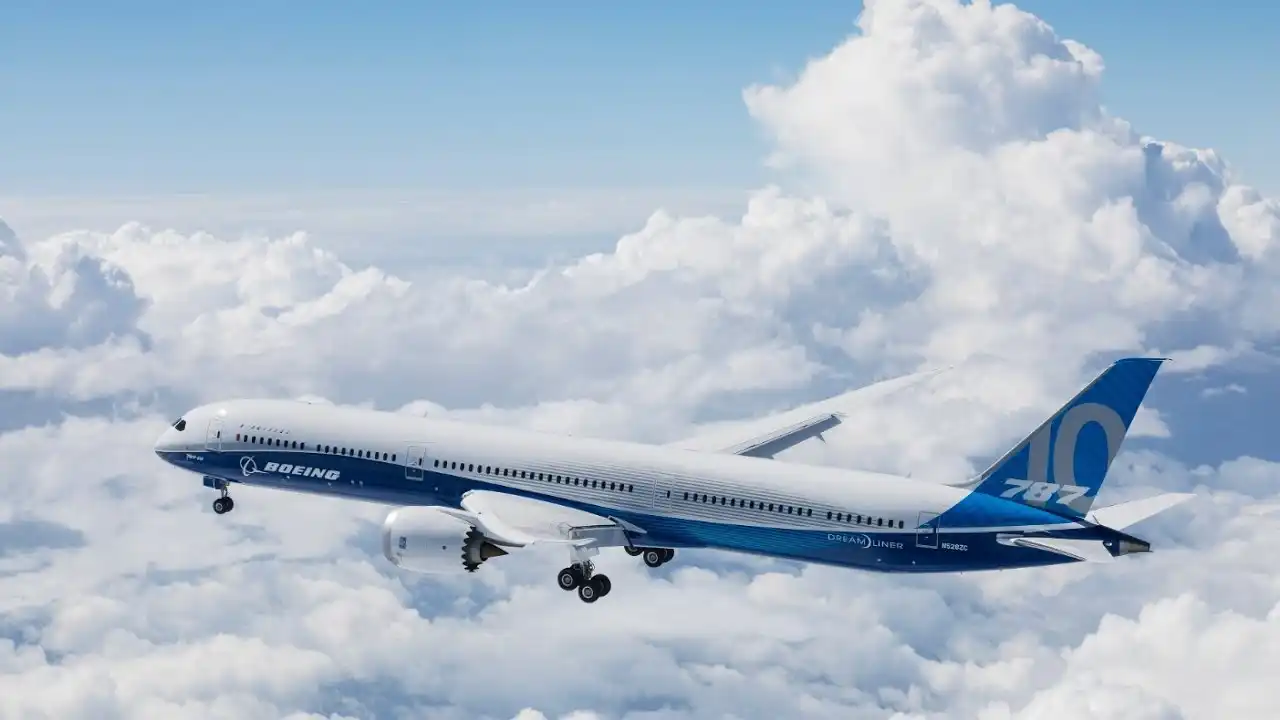
A symbol of modern aviation, the Boeing 787-10 Dreamliner is the largest and most sophisticated member of the Dreamliner family. Built primarily from carbon-fiber-reinforced polymers (CFRP)—a first for any commercial airliner—the 787-10 offers unprecedented fuel efficiency, achieving a 25% reduction in consumption over previous generations.
This jet’s engineering brilliance includes pressurized cabins designed to reduce passenger fatigue, and next-gen engines like the Rolls-Royce Trent 1000 and GE GEnx-1B, each of which can cost upwards of $30 million. Although a “green” airframe starts near $240 million, a fully customized BBJ (Boeing Business Jet) version easily surpasses $340 million, thanks to bespoke interiors and advanced avionics.
Boeing 777-200LR – The Worldliner at $345 Million
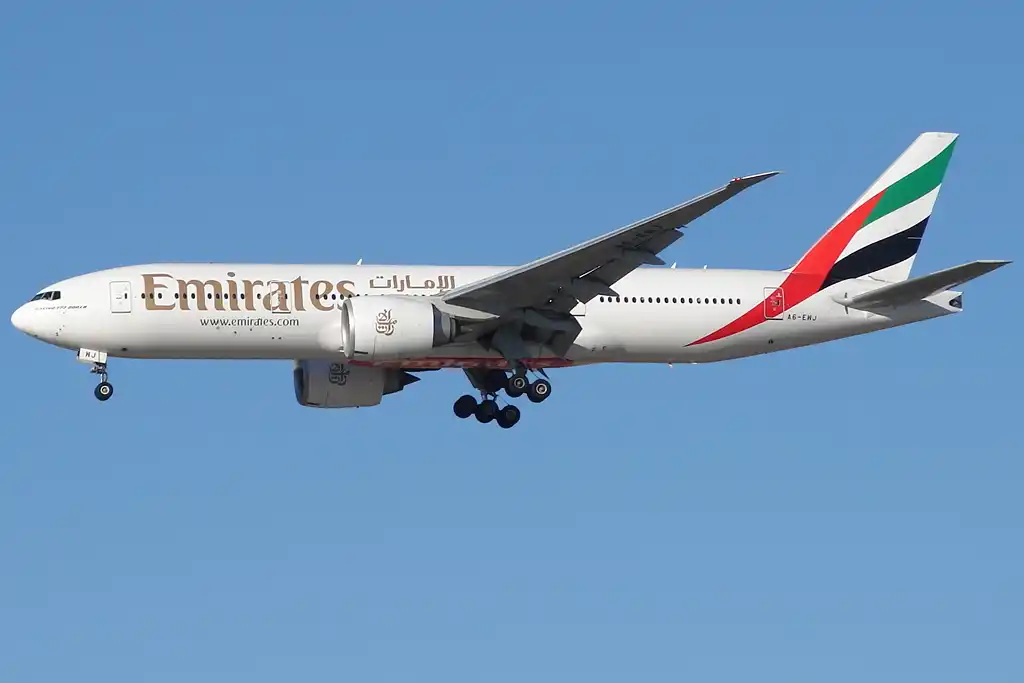
The Boeing 777-200LR redefined what was possible in ultra-long-range commercial aviation. Nicknamed the “Worldliner,” this aircraft holds the record for the longest nonstop commercial flight, clocking in at 11,664 nautical miles.
To achieve this, Boeing equipped the -200LR with three auxiliary fuel tanks, the same powerful GE90-115BL engines used on the 777-300ER, and reinforced landing gear and wings. With only 61 units ever built, this rarity drives the aircraft’s premium value. Today, customized VIP versions of this aircraft can exceed $400 million, serving heads of state and ultra-wealthy clientele.
Boeing 777F – The Freighter Titan at $350 Million
The Boeing 777F remains the undisputed king of twin-engine freighters, capable of hauling over 102 tons of cargo over nearly 5,000 nautical miles. It features the GE90-110B1 engines—each worth over $40 million—and benefits from having only two engines instead of four, cutting fuel costs by nearly 30% compared to its older 747 freighter counterparts.
What makes this aircraft particularly valuable to global carriers like FedEx and Qatar Airways is its unmatched payload-to-range ratio. Boeing claims each 777F contributes over $440 million to the US export economy. Even as Boeing pivots toward the newer 777-8F, the 777F continues to dominate global freight routes.

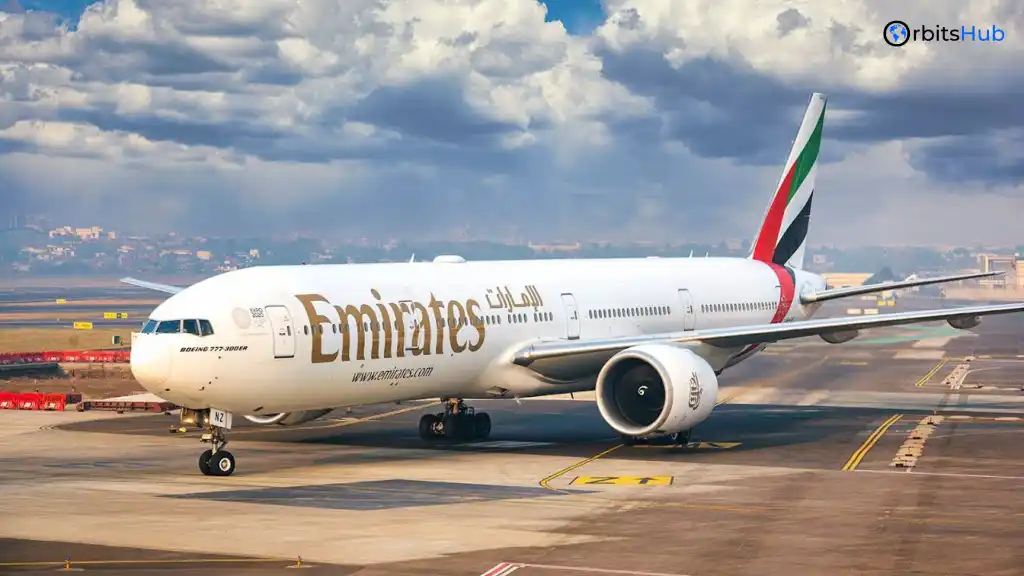
Boeing 777-300ER – Long-Haul Legend at $375 Million
As one of the most successful long-range aircraft in aviation history, the Boeing 777-300ER stands out not just for its performance, but for its astronomical cost. Retailing at around $375 million, this widebody twinjet is equipped with GE90-115B engines and has a range of over 7,370 nautical miles.
Known as the “747 killer,” the 777-300ER carried more passengers with fewer engines, reducing operational costs for airlines while offering nearly 100% dispatch reliability. Its widespread popularity—over 830 units delivered—allowed Boeing to maintain a premium price even as it wound down production in 2024. The final airframes, refined to perfection, are highly sought-after assets.
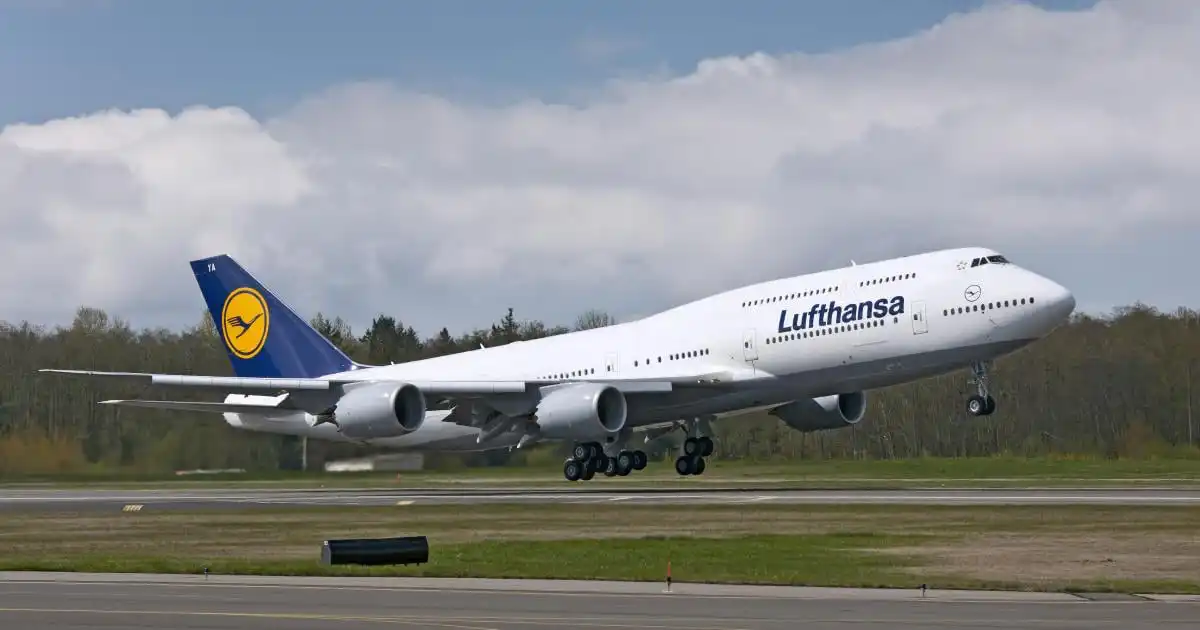
Boeing 747-8 Intercontinental – The Last Queen at $420 Million
No aircraft in aviation evokes majesty like the Boeing 747, and the final version—the 747-8 Intercontinental—was a $420 million masterpiece. Launched in 2011 and inspired by the Dreamliner’s technological advances, this aircraft represented the culmination of over 50 years of 747 production.
Only 48 passenger units and 107 freighter variants were produced before Boeing ended the line in 2023. The 747-8I’s four GEnx-2B67 engines and expanded fuselage provided both efficiency and grandeur. Despite its enormous price tag, airlines often received discounts of up to 50%. Still, few aircraft in history have matched the cultural and engineering stature of the 747.
Today, 747-8I variants are being converted for use as the next Air Force One, underlining their lasting legacy.
Boeing 777-8X – Ultra-Long-Haul Luxury at $440 Million
Poised to revolutionize ultra-long-haul travel, the Boeing 777-8X is engineered to carry nearly 400 passengers across 8,745 nautical miles—connecting virtually any two cities on Earth without refueling. This makes it ideal for servicing underserved routes with high-value business demand.
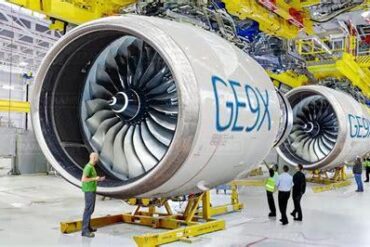
The key to its performance lies in its GE9X engines—the largest and most powerful ever created. Each one contains a 134-inch fan made from ceramic matrix composites, significantly increasing efficiency and durability. The 777-8X also sports futuristic carbon-fiber wings with folding wingtips, an engineering marvel that allows it to fit at standard gates despite its enormous span.
This aircraft is the base platform for the 777-8 Freighter, which will be the world’s most advanced twin-engine cargo plane. When fully outfitted, the 777-8X becomes a near half-billion-dollar strategic asset.
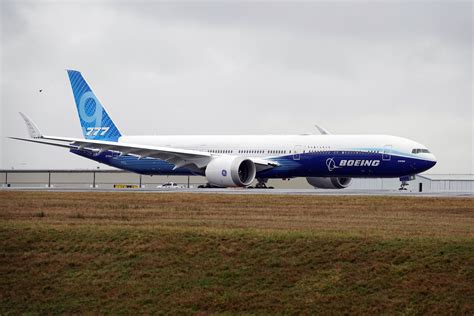
Boeing 777-9X – The Most Expensive Commercial Jet Ever at $450 Million
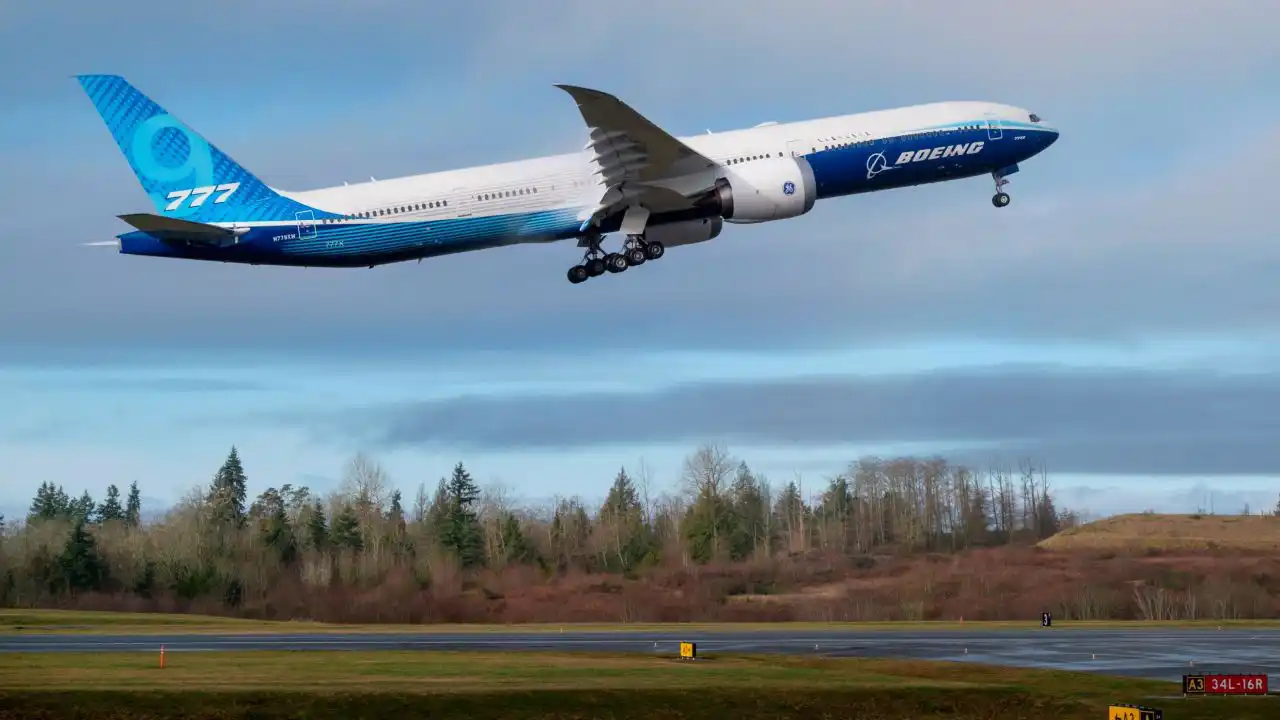
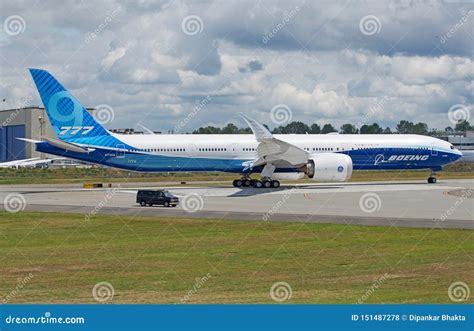
At the very top of this elite list is the Boeing 777-9X, the world’s most expensive commercial airliner, with an estimated unit cost of $450 million. Measuring over 252 feet in length, it is the longest passenger aircraft ever built. Like its sibling, it features folding wingtips and carbon-composite wings that stretch to 235 feet in flight.
Powered by two GE9X engines, the 777-9X has been meticulously engineered for fuel efficiency, passenger comfort, and global reach. Yet its path to the skies has not been smooth. Following the 737 MAX crisis, Boeing’s certification journey for the 777X family faced intense FAA scrutiny, driving development costs from $5 billion to over $20 billion. Delays have pushed first deliveries to 2027, saddling Boeing with penalty payouts nearing $16 billion.
Despite these hurdles, the 777-9X stands as a monumental achievement in aviation, blending unprecedented size with advanced aerodynamics and range.
The Cost of Innovation: Why These Jets Matter
Each of these aircraft represents a milestone in American aerospace engineering and industrial scale. The soaring costs are not merely reflective of luxury or size but are deeply tied to the advances in materials, powerplants, systems integration, and range capabilities that define 21st-century aviation.
From the composite breakthroughs of the Dreamliner to the massive thrust of GE9X engines, these jets stand as testaments to the complexity of modern aircraft development. More than just transport, they are geopolitical tools, national exports, and flying symbols of technological supremacy.
In the end, the price tags of these jets are more than just numbers—they’re investments in the future of global mobility.