National defense investments in fighter jets often ignite debate over their staggering costs, with unit prices serving as only a surface indicator of deeper economic commitments. As of 2025, the landscape of military aviation reflects not only advances in stealth and avionics but also the geopolitical stakes driving procurement. While unit prices provide a tangible benchmark, they seldom reflect true lifecycle expenses, including research, logistics, and platform-specific upgrades. This ranking dissects the ten most expensive fighter jets in 2025, ordered by flyaway cost, revealing the fusion of cutting-edge technology and strategic necessity behind every price tag.
Lockheed Martin F-22 Raptor – $143 Million
The F-22 Raptor remains the benchmark for air superiority, even more than a decade after production ceased in 2011. Developed by Lockheed Martin for the United States Air Force, its blend of stealth, agility, and unmatched situational awareness comes at a significant cost. The flyaway price per unit is approximately $143 million, but when adjusted for full program costs including R&D and infrastructure, each jet can cost as much as $334 million.
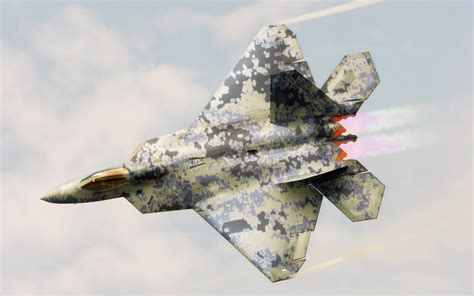
With only 195 units built, the F-22’s exclusivity enhances its mystique. Capable of reaching Mach 2.25 and sustaining supercruise at Mach 1.8 without afterburners, it is tailored for first-strike dominance in contested environments. Its stealth profile is achieved through a “marble-sized” radar cross-section, allowing it to operate deep within enemy territory undetected. While retired from production, the Raptor continues to receive sensor fusion upgrades and electronic warfare enhancements, maintaining its relevance against newer threats like China’s J-20 and Russia’s Su-57.
Dassault Rafale – $125 Million
France’s Dassault Rafale commands attention as one of the most expensive and versatile multirole fighters on the global stage. At a cost of $125 million per unit, this delta-wing, canard-equipped aircraft represents the pinnacle of French aerospace design. Developed for the Armée de l’Air, its “omnirole” capability makes it suitable for air dominance, deep strike, reconnaissance, and even nuclear deterrence.
Rafale’s SPECTRA electronic warfare system ensures battlefield survivability, while its ability to supercruise at Mach 1.4 gives it speed without sacrificing stealth or efficiency. Key export deals with India (36 units), Egypt (54), Qatar (36), and the UAE (80) have helped solidify its market dominance, despite stiff competition from American and Russian platforms.
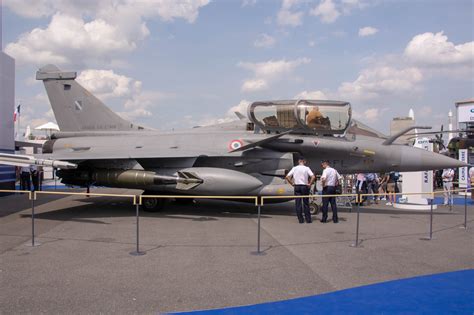
Eurofighter Typhoon – $117 Million
A product of transnational cooperation between the UK, Germany, Italy, and Spain, the Eurofighter Typhoon is an advanced 4.5-generation aircraft with a flyaway cost of $117 million. While unit procurement costs have varied based on tranches and national orders—from £73 million (export) to in-program costs of $50 million—the total project cost approaches $120 billion, or $250 million per jet when amortized.
Engineered for dogfighting supremacy, it features thrust-to-weight ratios near 1:1, Captor-E AESA radar, Pirate IRST, and DASS electronic warfare suite. Though not a stealth fighter, its sensor fusion capabilities and raw performance make it a formidable adversary, particularly in air policing and quick reaction alert (QRA) roles across Europe.

Chengdu J-20 Mighty Dragon – $110 Million
China’s ambitious leap into fifth-generation stealth aviation is embodied by the Chengdu J-20, priced at an estimated $110 million. More than 300 units have entered service with the People’s Liberation Army Air Force (PLAAF), reflecting the largest active stealth fleet outside the U.S.
The J-20 features forward-swept canards, internal weapons bays, and radar-absorbing material (RAM) for reduced detectability. Initially powered by Russian AL-31F engines, newer variants use China’s indigenous WS-10C for Mach 1.8 supercruise, with the WS-15 offering future thrust vectoring capabilities. China’s investment of over $50 billion underscores the jet’s strategic importance in Pacific airspace, though the model remains unexported.
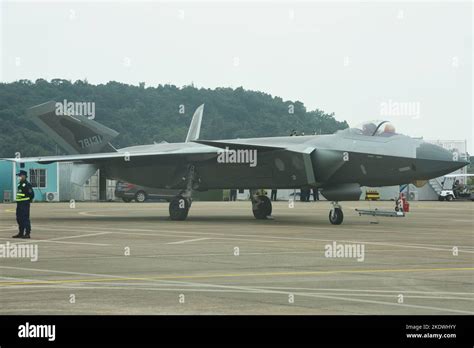
Lockheed Martin F-35 Lightning II – $109 Million
Despite a relatively modest flyaway cost of $109 million (for the F-35B STOVL variant), the Lockheed Martin F-35 is the most expensive weapon system ever developed, with a projected lifetime cost exceeding $1.7 trillion. Over 1,100 units have been delivered globally, serving air forces in the U.S., UK, Israel, Japan, and beyond.
Available in three variants (A, B, C), the F-35 offers sensor fusion, stealth, electronic warfare, and network-centric warfare capabilities. Its operating costs, however, are high, driven by sophisticated maintenance and constant upgrades. Still, its dominance in NATO standardization and interoperability makes it a critical backbone for 21st-century airpower.
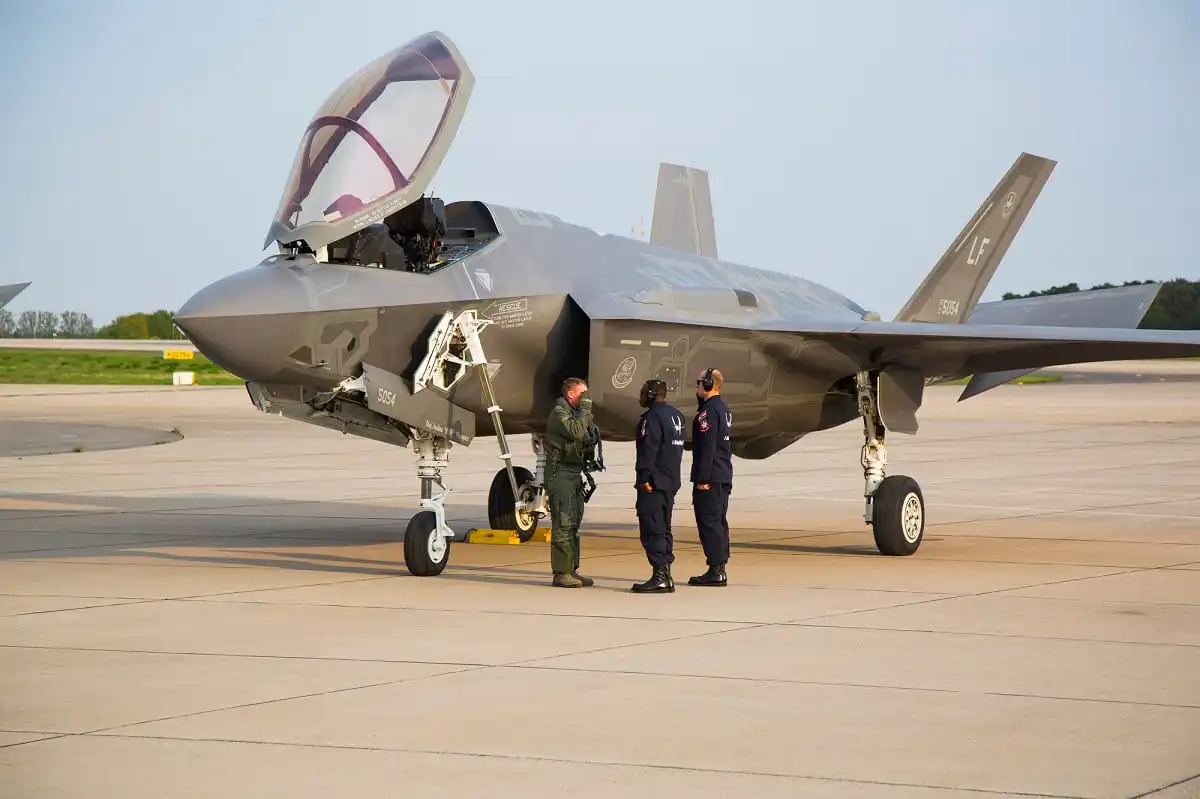
Boeing F-15EX Eagle II – $97 Million
The F-15EX Eagle II revives the legendary F-15 platform for a new era. At $97 million, it’s the most powerful non-stealth fighter currently in production, offering unmatched payload capacity, speed, and survivability. Designed to replace aging F-15C/D models, the Eagle II is armed with 13.6 tons of ordinance and capable of flying at Mach 2.5 over a range of 2,100 nautical miles.
Despite lacking stealth, the F-15EX integrates advanced avionics, radar, and survivability tech, allowing it to function as an arsenal plane or command node in mixed-aircraft operations. Its open-architecture design also future-proofs it for AI integration and advanced missile systems.
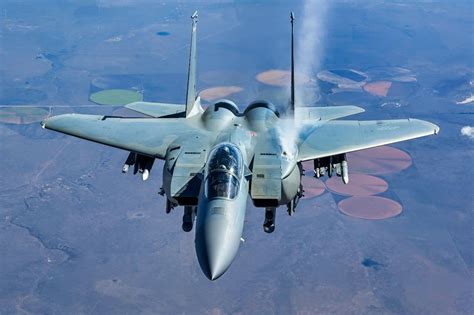
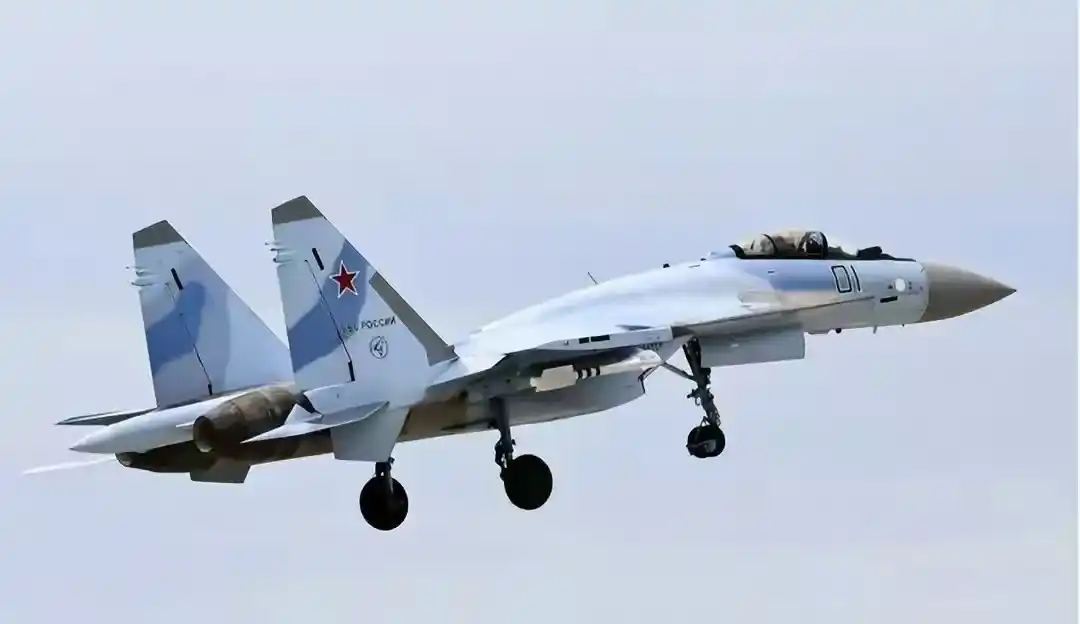
Sukhoi Su-35 Flanker-E – $85 Million
Russia’s Sukhoi Su-35 stands as a 4.5-generation evolution of the Su-27 Flanker, with a unit cost averaging $85 million, though variable based on configuration and geopolitical fluctuations. It sports twin AL-41F1S thrust-vectoring engines, enabling superb maneuverability and combat agility.
Lacking stealth characteristics, the Su-35 compensates with speed (Mach 2.25) and an operational range of 1,900 nmi. Exported to China and under negotiation with Middle Eastern nations, it serves as both a workhorse and a deterrent, often deployed to defend strategic airspace over Syria, Crimea, and Eastern Russia.
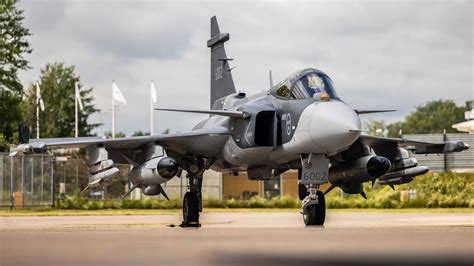
Saab JAS 39E/F Gripen – $85 Million
Sweden’s Saab Gripen E/F remains one of the most cost-effective Western fighters, with advanced features packed into an $85 million platform. Built for rapid deployment and multirole versatility, it is favored by nations seeking a high-performance aircraft without the political strings of American or Russian options.
The Gripen integrates AESA radar, an advanced electronic warfare suite, data-link networking, and AI-assisted pilot interfaces. Its operational cost is among the lowest in its class, boosting its attractiveness to Brazil, South Africa, Hungary, and future NATO members. Its 2,500 nmi range and adaptability make it ideal for dispersed operations.
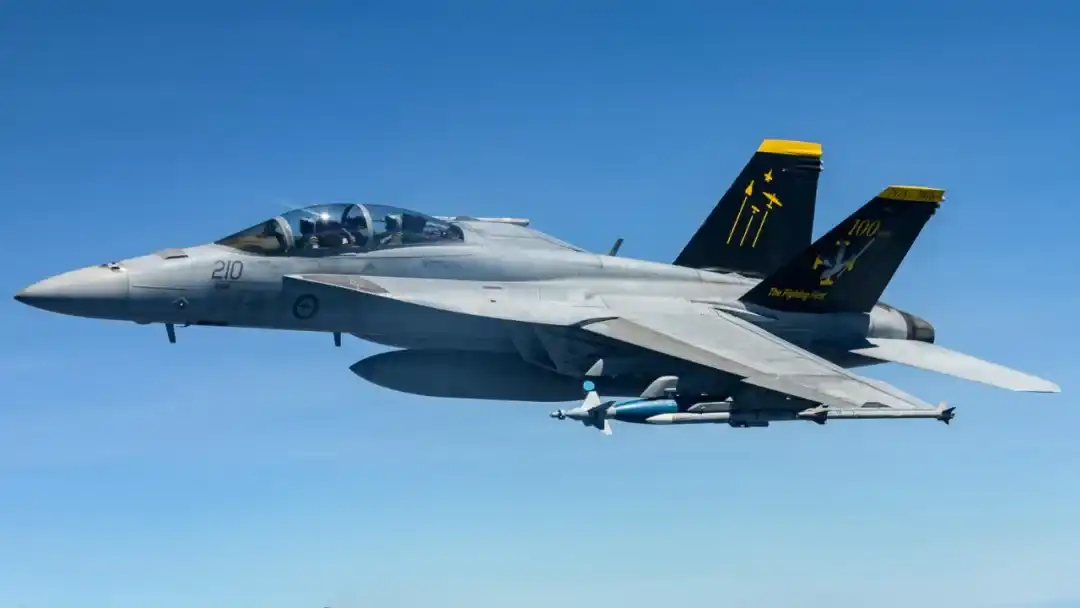
Boeing F/A-18 Super Hornet – $73 Million
The Boeing F/A-18 Super Hornet remains the primary carrier-based fighter for the U.S. Navy, with a per-unit cost ranging from $67 million to $73 million. Its proven reliability across multiple deployments and dual-role capacity in strike and air defense operations has extended its service life well into the 2030s.
Two primary versions—the E (single-seat) and F (two-seat)—are supplemented by the EA-18G Growler, a specialized electronic warfare variant. With over 630 units in operation globally, the Super Hornet provides an effective bridge between 4th-gen platforms and future 6th-gen systems.
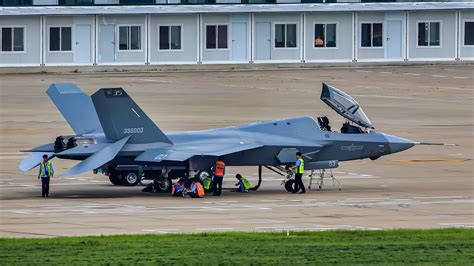
Shenyang FC-31/J-35 – $70 Million
China’s Shenyang FC-31, known in naval guise as the J-35, is emerging as a stealthy, twin-engine fighter tailored for carrier operations and export markets. With an estimated unit cost of $70–85 million, it aims to compete with Western fifth-gen aircraft on performance and price.
Featuring a sleek fuselage, internal weapons bays, and canted vertical stabilizers, the J-35 mirrors many design cues from the F-35. Although still undergoing carrier integration trials, it is expected to complement the J-20 in layered air defense strategies. Its affordability and stealth make it a potential disruptor in the export market, particularly for nations outside U.S. influence.
Conclusion
The top ten most expensive fighter jets in 2025 are more than marvels of aerospace engineering—they are instruments of national strategy, deterrence, and power projection. Whether through stealth superiority, payload versatility, or multirole adaptability, each aircraft reflects the unique defense philosophy of its origin nation. As the next generation of sixth-gen aircraft begins development, the financial thresholds set by today’s fighters will likely be surpassed, but their legacy will define air dominance for decades to come.