Delta One Is a Brand, Not a Single Experience
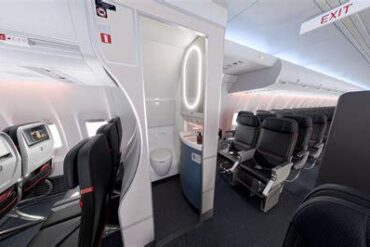
Booking Delta One often feels deceptively simple. The label suggests a unified flagship product, a promise of privacy, space, and polished luxury stretching from boarding gate to arrival lounge. The reality at 35,000 feet is more nuanced. Delta Air Lines’ premium cabin experience varies dramatically depending on the widebody aircraft assigned to your flight, sometimes delivering a cutting-edge private suite and other times a relic of an earlier design philosophy.
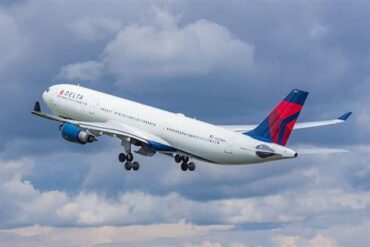
Delta operates one of the most diverse long-haul fleets in the world, with more than 160 widebody aircraft spanning multiple generations of cabin technology. From the futuristic Airbus A350-900 and A330-900neo to aging Boeing 767-300ERs, the Delta One name now covers at least four distinct seat platforms. The marketing is consistent. The hardware is not.
This variability matters because Delta One pricing assumes a premium benchmark. When travelers redeem SkyMiles or pay five-figure fares, the expectation is clear: the flagship experience, not a legacy seat with refreshed upholstery. Understanding how Delta One differs across aircraft is the only way to avoid the equipment lottery and ensure that premium pricing translates into premium reality.
By breaking down each widebody type, cabin layout, seat design, and onboard feature set, the differences between Delta’s best and its merely adequate become unmistakable.
The Flagship Standard: Airbus A350-900 and A330-900neo
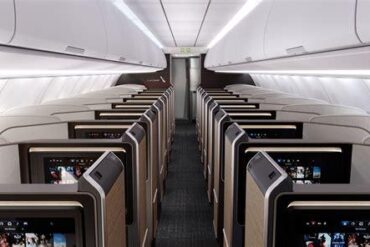
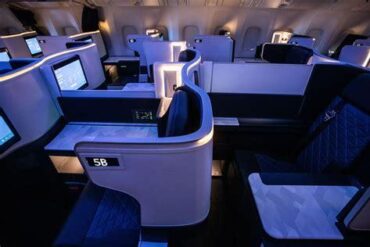
The gold standard of Delta One lives aboard the Airbus A350-900 and Airbus A330-900neo. These aircraft showcase the airline’s full premium vision, built around the Delta One Suite, a product that finally aligned Delta with global leaders in business-class design.
These aircraft feature the Thompson Vantage XL seat, configured in a staggered 1-2-1 layout with full-height sliding privacy doors. Once closed, the suite becomes a self-contained workspace and sleeping area, eliminating the sense of exposure that defined earlier Delta cabins. Privacy is no longer dependent on seat angle or row number; it is built into the architecture.
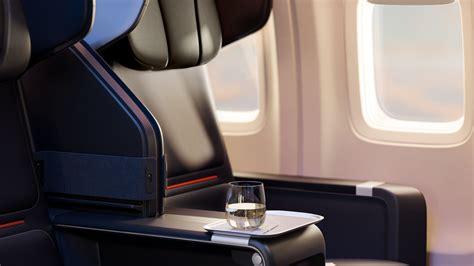
Comfort is immediately noticeable. The seat cushions incorporate memory foam, the bed extends to roughly 80 inches, and the footwell is generously proportioned compared with older Delta widebodies. Long-haul comfort is reinforced by customizable ambient lighting, reducing eye strain and helping passengers adjust to new time zones.
Technology is where these aircraft decisively pull ahead of the rest of the fleet. Each suite features a crisp 18- to 18.5-inch high-definition screen, Bluetooth audio pairing, intuitive touchscreen responsiveness, and well-placed power options including high-power USB-A, USB-C, and 110V AC outlets. Storage is thoughtfully designed, with dedicated spaces for laptops, water bottles, headphones, and even a concealed mirror tucked into the side console.
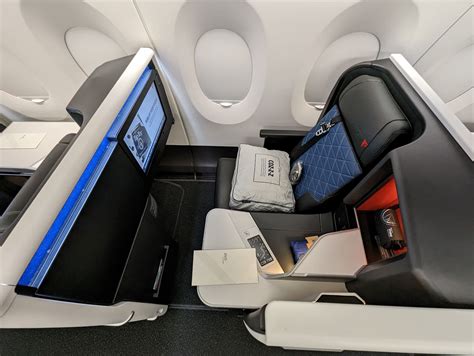
While the A350-900 and A330-900neo appear nearly identical, subtle differences affect the onboard feel. The A330-900neo’s cabin is marginally wider, allowing slightly broader side consoles, but the A350 feels more open thanks to its lack of central overhead bins. This creates a visually cleaner ceiling and a stronger sense of spatial openness, particularly noticeable during boarding and meal service.
Seat selection nuances also differ. On the A350-900, odd-numbered window seats are the most private, with consoles positioned between the passenger and aisle traffic. On the A330-900neo, this pattern is reversed, making even-numbered window seats the most secluded. These distinctions matter for solo travelers seeking maximum isolation.
If your flight is scheduled on either of these aircraft, the Delta One experience finally matches the brand promise. This is the version of Delta One that justifies the fare.
Suite-Lite Reality: Boeing 767-400ER
The Boeing 767-400ER occupies an awkward middle ground in Delta’s premium ecosystem. These aircraft were retrofitted to visually resemble the flagship suites, adopting similar finishes, seat contours, and entertainment screens. Yet one defining feature is missing: the sliding privacy door.
The absence of doors is not a cost-cutting choice but a structural limitation. The 767’s narrower fuselage simply cannot accommodate door mechanisms without making the seat feel claustrophobic. The result is what frequent flyers often call “suite-lite”: a modernized seat with flagship aesthetics but compromised privacy.
The cabin uses a staggered 1-2-1 layout, ensuring direct aisle access for all passengers. Materials and color palettes echo the A330neo, lending a contemporary look that initially raises expectations. 18.5-inch high-definition screens match the newer Airbuses, and the same memory foam cushioning improves comfort over earlier Delta seats.
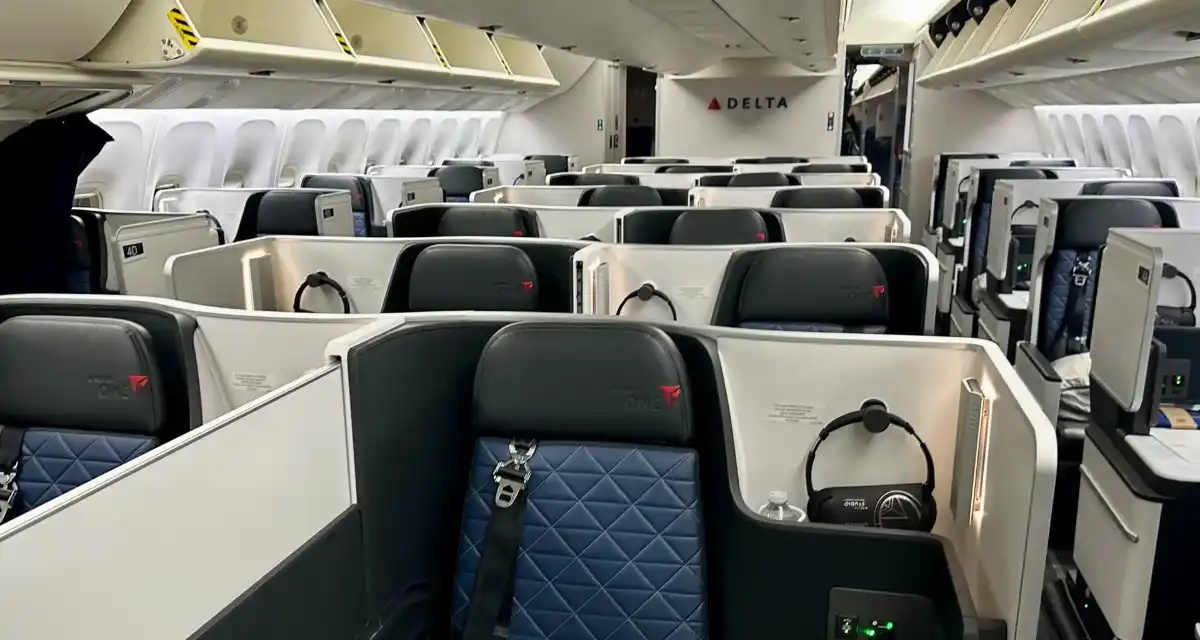
Where the experience falters is spatial consistency. Because the seats are staggered, privacy varies dramatically by row. In even-numbered window seats, passengers benefit from a wide console separating them from the aisle. In odd-numbered window seats, shoulders sit directly adjacent to passing traffic, undermining the premium feel.
The most common complaint centers on the footwell design. When fully flat, the sleeping surface funnels into a narrow cubby that can feel restrictive, especially for taller travelers or side sleepers. The exception is Row 1, where bulkhead seats offer a noticeably larger footwell and a more forgiving bed geometry.
The 767-400ER performs adequately on shorter transatlantic routes where sleep time is limited. On longer overnight flights, the absence of a door and the coffin-like footwell make the experience feel like a compromise rather than a flagship product.
The Vintage Favorite: Airbus A330-200 and A330-300
Delta’s A330-200 and A330-300 aircraft represent a different era of premium travel, one that prioritized geometry over gadgetry. These aircraft do not carry the Delta One Suite branding, yet many seasoned travelers quietly prefer them for one reason: sleep quality.
The cabin uses a reverse-herringbone layout, with seats angled away from the aisle toward the window or center. This configuration naturally enhances privacy without requiring doors, as passengers are never squarely exposed to aisle traffic. It is a design that remains respected across the industry for its balance of space and isolation.
The seats themselves are Safran Cirrus, a proven platform known for reliability and comfort. Bed length reaches approximately 80 inches, seat width approaches 19.7 inches, and the footwell is noticeably more spacious than that of the 767-400ER. Side sleepers benefit from the ability to bend knees and shift positions without feeling trapped.
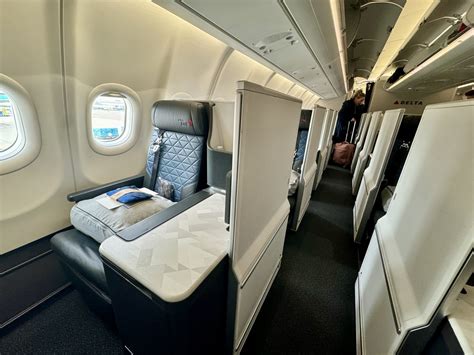
Where these aircraft show their age is technology. 15.4-inch entertainment screens feel modest by modern standards, resolution is lower, and responsiveness lags behind Delta’s newer systems. Storage is minimal, limited to a side shelf and small compartment that struggles to accommodate more than shoes or a slim laptop.
Wear and tear are unavoidable realities. Loose tray tables, dim reading lights, and finicky headphone jacks occasionally surface despite Delta’s strong maintenance standards. Yet for travelers who value a spacious sleeping surface over cutting-edge tech, the classic A330 remains a dependable long-haul companion.
The Aircraft Many Avoid: Boeing 767-300ER
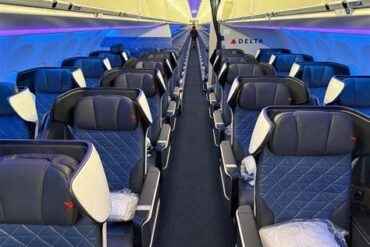
The Boeing 767-300ER is the most polarizing aircraft in Delta’s widebody fleet. While it technically offers direct aisle access in a staggered 1-2-1 configuration, nearly every other aspect of the experience reflects its age.
Seats are notoriously narrow, averaging just over 20 inches, and feel constrained once the bed is deployed. Entertainment screens are smaller, slower, and less vibrant than those on any other Delta widebody. Cabin finishes lack the refined look of newer aircraft, reinforcing the sense that this is a holdover rather than a flagship product.
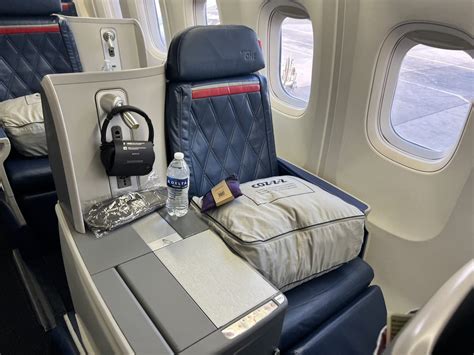
Noise and congestion amplify the shortcomings. Narrow aisles make galley traffic more noticeable, and the lack of spatial separation intensifies the sense of crowding during boarding and meal service. For premium travelers accustomed to modern widebodies, the downgrade is immediately apparent.
Strategic seat selection helps mitigate the discomfort. Odd-numbered window seats, where the console sits between the passenger and aisle, offer marginally better privacy. Even so, this aircraft remains the weakest link in the Delta One portfolio and is increasingly relegated to shorter routes as retirement approaches.
A350 Variants: Same Name, Different Experience
Even within Delta’s flagship A350-900 fleet, differences exist. The aircraft are split between 35L and 35H configurations, each affecting cabin density and storage layout.
The 35L represents the original flagship design with 32 Delta One Suites, ending around Row 9. It offers a spacious cabin feel and generous personal storage. The 35H, introduced later, increases capacity to 40 suites, subtly tightening the cabin but improving operational flexibility on high-demand routes.
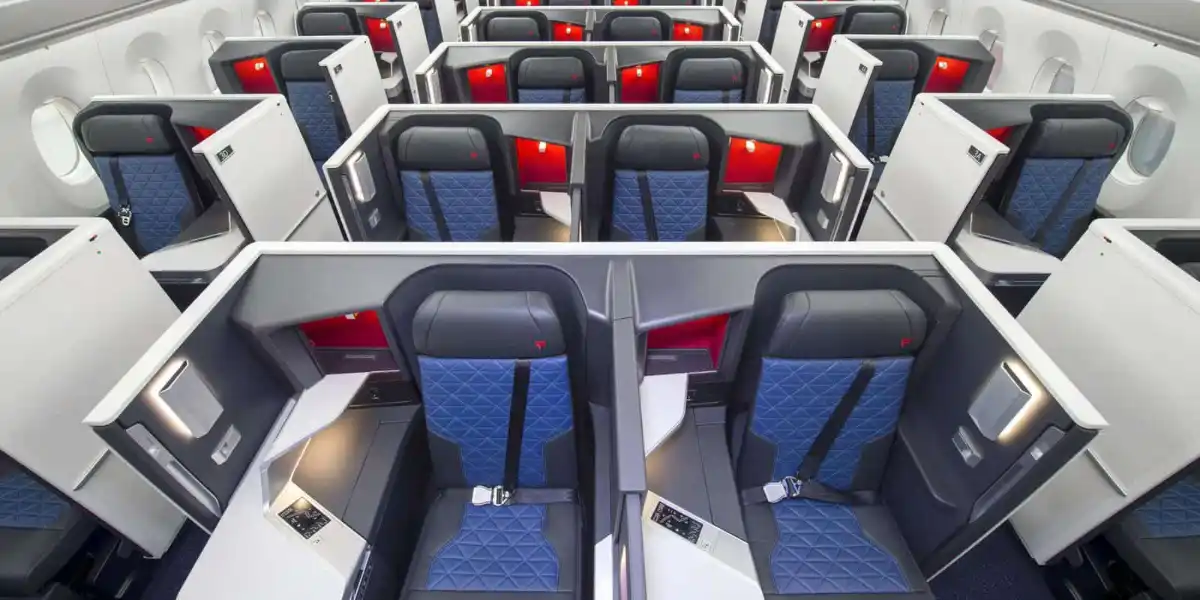
Both configurations feature sliding doors, identical screens, and comparable comfort. The difference lies in cabin flow and personal space. Checking the seat map before booking reveals whether the Delta One cabin stops early or extends further back, a small detail that influences the onboard atmosphere.
How to Secure the Best Delta One Experience
Delta’s booking interface often displays generic stock images, typically from the A350 flagship cabin. These visuals cannot be trusted to reflect the actual aircraft assigned to your flight. The only reliable method is verifying the aircraft type and seat map before confirming your booking.
An A350-900 or A330-900neo guarantees a suite with a door. A 767-400ER offers modern finishes but no enclosure. A classic A330 delivers excellent sleep but dated tech. A 767-300ER signals compromise.
Aircraft swaps remain a reality of airline operations. Weather, maintenance, and network disruptions can trigger last-minute changes. While Delta is not obligated to offer refunds for cabin downgrades within the same fare class, elite Medallion members often succeed in rebooking on alternative flights when suites disappear.
Consistency on the Horizon
Delta’s long-term fleet strategy points toward convergence rather than fragmentation. The gradual retirement of 767-300ERs, the arrival of Airbus A350-1000s, and a substantial order for Boeing 787-10 Dreamliners signal a future dominated by modern widebodies with standardized premium cabins.
As additional A330-900neos enter service, the Delta One Suite will become the rule rather than the exception. The equipment lottery will not vanish overnight, but its odds are improving. Delta’s challenge is no longer innovation; it is alignment. When the hardware finally matches the branding across the fleet, Delta One will feel less like a gamble and more like a guarantee.
Until then, knowing the aircraft is the difference between flying Delta One in name and flying it in truth.