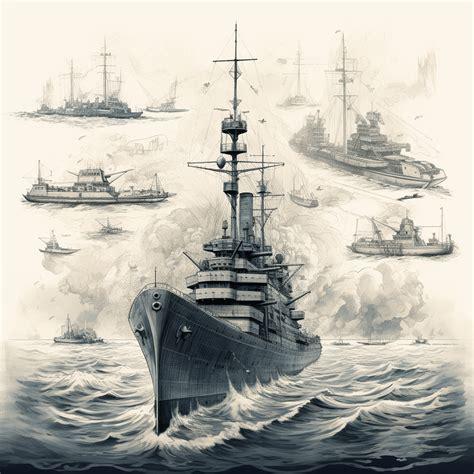
Submarines have long embodied a potent blend of stealth, endurance, and offensive power — an elusive predator gliding through the depths. Over time, these machines have evolved dramatically, both in their technological sophistication and strategic importance. From primitive underwater boats hugging coastlines to today’s nuclear-powered giants capable of global patrols, the generational transformation of submarines tells a compelling story of innovation, warfare, and geopolitical influence.
The Birth of Underwater Warfare: 1st Generation Submarines (Pre-WWI to WWI)
The concept of the military submarine became tangible in the early 20th century, as naval powers began experimenting with submersible platforms. These first-generation submarines were rudimentary in capability and design, primarily serving as short-range coastal defense vessels. Powered by diesel-electric propulsion, they utilized diesel engines on the surface and electric motors when submerged — a dual system that, although revolutionary for its time, severely limited underwater endurance.
The German U-boat program emerged as the forerunner in this era. Introduced in 1906, early U-boats carried modest armament — one or two deck guns and no more than four torpedo tubes — and measured around 210 feet in length. Their British counterparts, the Royal Navy’s E-class submarines, were even smaller, at 181 feet long and 15 feet wide, with submerged speeds barely reaching 9.5 knots and maximum diving depths of around 200 feet.
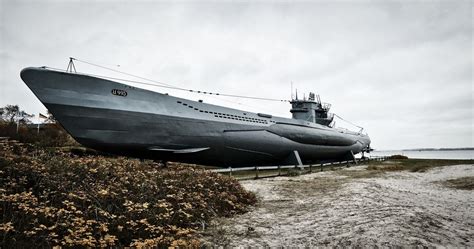
The tactical role of these submarines was limited by the lack of sophisticated navigation and detection systems. Periscopes provided visual targeting, while hydrophones offered rudimentary acoustic detection. Surface range topped out at approximately 3,000 miles, with submerged endurance as little as 65 miles at 5 knots. Despite these limitations, the psychological and strategic impact of these early submarines laid the groundwork for future development.
A Technological Leap Forward: 2nd Generation Submarines (WWII to 1950s)
World War II catalyzed a massive leap in submarine design and operational capability. Second-generation submarines featured improved diesel-electric systems, enabling longer patrols and extended submersion times. The most transformative advancement came with the German Schnorchel — a retractable air mast allowing submarines to run diesel engines while submerged, significantly reducing exposure on the surface.
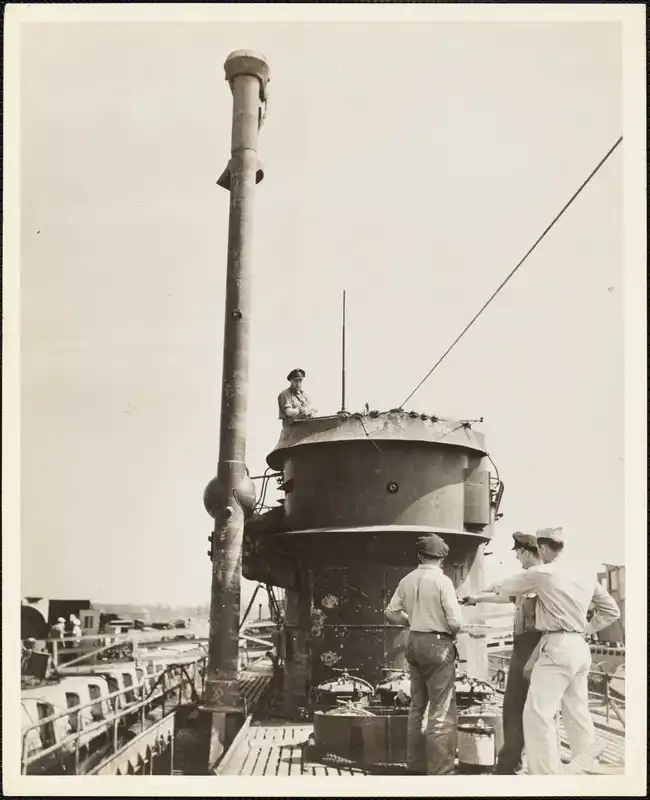
Alongside these mechanical upgrades, submarines in this generation began incorporating radar systems, advanced sonar, and homing torpedoes, shifting their combat role from opportunistic ambushes to calculated assaults on convoys and warships. The American Gato-class submarines, built specifically for the Pacific theater, introduced creature comforts such as air conditioning, refrigeration, and freshwater distillers, enhancing crew endurance for prolonged missions.
These technological innovations enabled submarines to operate with greater autonomy and flexibility, expanding their utility from coastal harassment to oceanic dominance. By the end of WWII, submarines had sunk thousands of merchant and military vessels, proving themselves as critical components of naval warfare.
The Nuclear Revolution: 3rd Generation Submarines (1950s to 1970s)
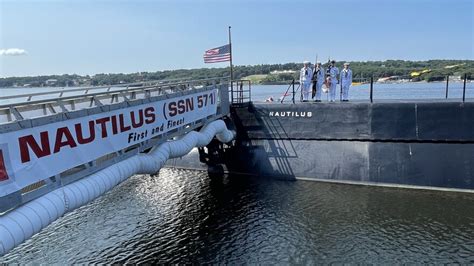
The postwar arms race ushered in a paradigm shift: nuclear propulsion. Launched in 1954, the USS Nautilus marked the dawn of the third generation, using a pressurized-water reactor to create steam that powered electric turbines — a closed-loop system offering virtually unlimited range and indefinite submersion. No longer tethered to the surface or constrained by diesel logistics, submarines could now become true deep-sea phantoms.
This generation saw a reimagining of submarine design with the teardrop-shaped hull, first tested on the USS Albacore, optimizing underwater hydrodynamics and boosting submerged speeds to 25 knots or more. More importantly, these subs could now launch nuclear ballistic missiles (SLBMs) while hidden beneath the ocean, giving rise to the ballistic missile submarine (SSBN) and solidifying the submarine’s role in the nuclear triad alongside land- and air-based delivery systems.
Technological integration extended to onboard sensors, sonar systems, and guided weapons. For the first time, submarines became platforms for strategic deterrence, not just tactical engagement. The leap in capability from diesel-electric subs to nuclear-powered giants redefined naval doctrine globally.
Stealth and Versatility: 4th Generation Submarines (1980s to 2000s)
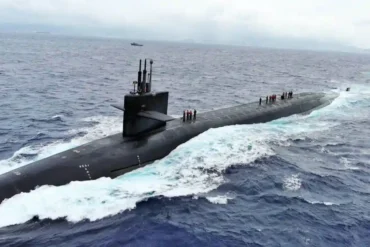
By the late 20th century, the focus shifted from raw power to stealth, intelligence, and mission adaptability. Fourth-generation submarines, such as America’s Seawolf-class and Virginia-class, as well as Russia’s Yasen-class, prioritized silent operation through raft-mounted machinery, anechoic hull tiles, and pump-jet propulsion. These enhancements allowed submarines to operate undetected, avoiding active sonar and acoustic tracking systems.
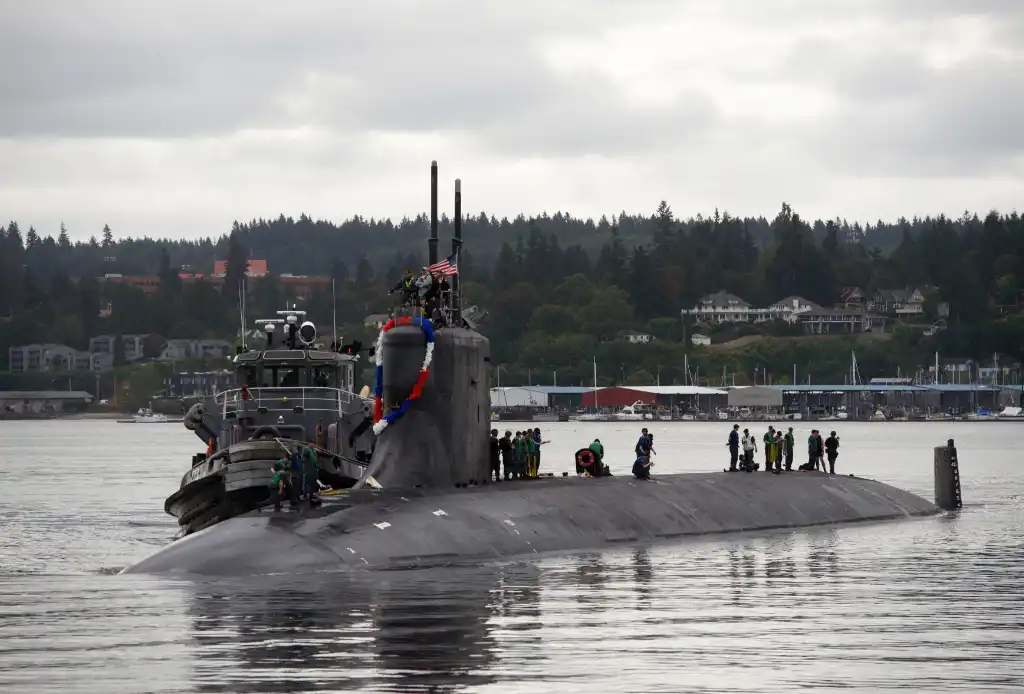
The multi-role capacity of these vessels expanded significantly. Attack submarines (SSNs) could now perform covert reconnaissance, special forces deployment, and intelligence gathering. The USS Jimmy Carter, a modified Seawolf-class sub, was uniquely equipped with sensors and splicing gear to tap undersea communication cables — an embodiment of the silent intelligence war waged beneath the waves.
Arsenal capabilities also diversified. The inclusion of Tomahawk land-attack missiles (TLAMs) allowed for precision strikes on inland targets from hundreds of miles offshore. Submarines were no longer limited to anti-ship and anti-submarine warfare; they became platforms of multi-domain power projection — from sea to land, surface to subsurface, surveillance to sabotage.
Network integration, digital command systems, and periscope replacements like photonic masts further streamlined operations. Submarines became central to 21st-century warfare, capable of rapid adaptation and seamless integration into joint force operations.
The Cutting Edge: 5th Generation Submarines (2010s to Present)
The current era of submarine development centers around stealth beyond detection, autonomous systems, and electronic warfare. Leading this vanguard is SAAB’s A26, a platform that exemplifies the ambitions of fifth-generation submarines. Unlike its nuclear-powered counterparts, the A26 employs air-independent propulsion (AIP), combining a Stirling engine with diesel-electric systems to enable weeks-long silent operation without surfacing.
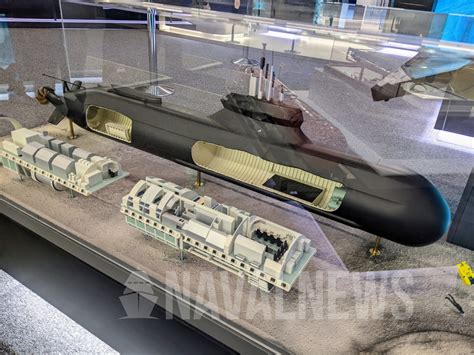
The A26’s design focuses on low acoustic and radar signatures, incorporating radar-absorbing coatings akin to those found on stealth aircraft such as the F-22 Raptor. This allows the submarine to operate not just unseen, but unfindable — a ghost in littoral and deep-sea environments alike.
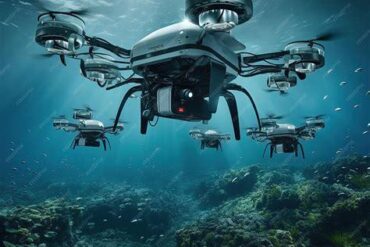
Perhaps the most radical innovation lies in its unmanned underwater vehicle (UUV) deployment capability. Modular payload bays enable the launch of autonomous drones for missions ranging from mine detection to undersea cable security and ISR (intelligence, surveillance, reconnaissance) operations. These drones can operate in conjunction with or independently of their host sub, extending its tactical reach while preserving stealth.
In parallel, the A26’s electronic suite enables passive signal interception, cyber-electronic disruption, and even information warfare, disabling adversarial communications before they reach their targets. This shifts the submarine from being a tool of destruction to one of information dominance — a subtle but profound transformation in military doctrine.
While the U.S. and other major powers have yet to unveil their own fifth-gen designs publicly, the direction is clear: integration of AI, autonomous systems, enhanced stealth, and cyber capabilities will define the submarines of tomorrow.
Conclusion: From Rudimentary Vessels to Undersea Titans
The evolution of military submarines reflects a relentless pursuit of strategic superiority beneath the oceans. From the surface-bound diesel subs of World War I to the nuclear-powered leviathans of the Cold War, and now to the stealth-enabled, drone-deploying, cyber-capable platforms of today, each generation has introduced radical innovations that have reshaped naval warfare.
The underwater domain remains one of the most contested and secretive theaters of modern conflict. Submarines, with their enduring ability to operate unseen and strike unexpectedly, will continue to serve as vital instruments of both national defense and power projection. As new technologies emerge — quantum navigation, underwater AI swarms, and next-gen propulsion — we stand on the precipice of another leap forward, one that will define the sixth generation and beyond.