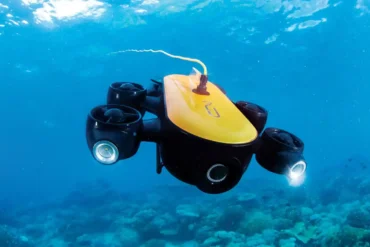
Drones have revolutionized how we explore and observe the world, but their utility isn’t confined to the skies. Underwater drones, also known as ROVs (remotely operated vehicles), are carving out a significant presence in marine science, underwater photography, offshore inspection, and even hobbyist exploration. Despite their growing popularity, they remain considerably expensive, largely due to the engineering challenges of operating in high-pressure, low-visibility aquatic environments.
The Rise of Submersible Drone Technology
The conception of underwater drones stemmed from the need for safer and more efficient alternatives to deep-sea diving. Marine biologists, underwater archaeologists, salvage crews, and offshore oil rig inspectors rely on these compact machines to traverse areas that are either too dangerous or too remote for divers. In essence, these devices are equipped with cameras, thrusters, and sensors that allow them to collect data and relay visuals back to the operator on the surface.
Consumer-level underwater drones also exist and have garnered interest from recreational divers, underwater photographers, and tech enthusiasts who wish to explore marine environments without getting wet. However, affordability remains a sticking point.
What Makes Underwater Drones Expensive?
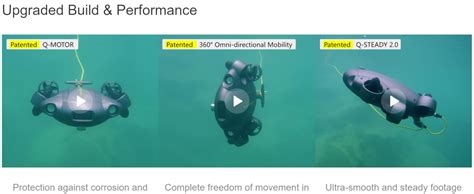
The primary reason underwater drones are so costly lies in their technological complexity. Operating underwater presents significantly more challenges than in the air. Resistance is greater, GPS signals don’t penetrate, lighting is poor, and the pressures at depth can be extreme. Consequently, these drones require:
- High-torque thrusters for maneuverability in dense water
- Specialized waterproofing and pressure-resistant hulls
- Tethered systems to maintain communication, as radio waves don’t transmit well underwater
- Advanced imaging sensors capable of functioning in low-light conditions
- Stabilization systems for clear footage despite currents and low visibility
These technical necessities drastically increase manufacturing costs, which are passed down to the consumer.
Entry-Level Options Still Break the Bank
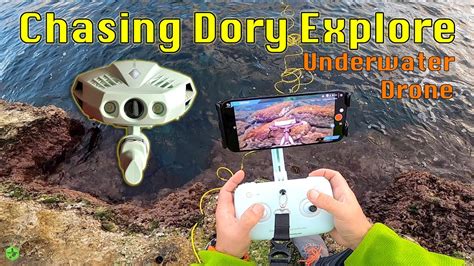
For those just starting, the most affordable underwater drone options still require a hefty investment. The Chasing Dory, manufactured by Chasing Innovations, is one of the cheapest models on the market, retailing at $499.99. It’s compact—small enough to fit in your palm—and features a 1080p HD camera with a 49-foot tether, making it ideal for casual underwater exploration. A variant, the Dory Explore, costs just slightly more at $510, offering additional tools like a metal detector and detachable net for locating submerged objects.
Though modest in capability, these models offer a taste of what underwater drones can do and make suitable entry points for enthusiasts not ready to commit thousands.
Scaling Up: The Gladius Mini S and Mid-Tier Drones
Stepping into the mid-tier category, Chasing offers the Gladius Mini S, which retails for $1,399.99. It’s a significant leap in both performance and cost. This model is equipped to dive as deep as 330 feet, has an action camera, and includes an attachable robotic arm, enabling it to interact with the environment—such as picking up objects or manipulating underwater structures.
What makes drones like the Mini S particularly appealing is their balance between professional-grade functionality and consumer accessibility. For documentary filmmakers, marine hobbyists, and semi-professionals, it hits a sweet spot of capability without fully entering the astronomical pricing tier.
QYSea: The Premium Powerhouse
On the opposite end of the price spectrum lies QYSea, a manufacturer known for its premium underwater drones designed for professionals. Even their most basic model, the FIFISH V6, starts at $1,299, edging out even Chasing’s mid-tier offerings. However, the additional cost comes with unmatched performance.
The FIFISH V6 includes:
- A 4K ultra-HD camera
- 360-degree omnidirectional movement
- VR headset compatibility, allowing immersive control
These features make it an excellent tool for advanced cinematography, scientific exploration, and technical inspections in submerged environments.
The FIFISH V-EVO, priced at $1,399, is a step up with more refined sensor arrays and operational controls. From there, QYSea’s offerings enter professional-grade territory with the FIFISH V6 Expert and FIFISH E-GO, priced at $2,999 and $6,499 respectively.
What Do You Get for $6,500?
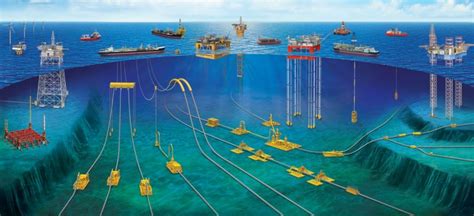
Spending $6,500 on an underwater drone might sound excessive, but for professionals, it can be a necessity. The FIFISH E-GO is equipped with industrial-level tools such as:
- Multiple sensor integration for measuring temperature, salinity, and depth
- Long-range tethering systems for stability and communication
- Swappable payload modules
- High-lumen lighting systems for pitch-dark exploration
- Precision robotic manipulators
Such capabilities allow engineers to carry out high-risk assessments without sending human divers, saving both time and lives.
Who Buys These Expensive Underwater Drones?
The customer base for premium underwater drones includes:
- Energy companies inspecting oil pipelines and offshore rigs
- Search and rescue teams conducting missions in lakes or coastal waters
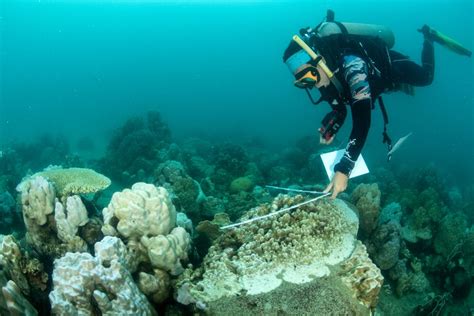
- Marine biologists collecting ecological data from coral reefs or the deep sea
- Law enforcement scanning for submerged evidence or crash debris
- Filmmakers needing dramatic underwater shots without the logistics of dive crews
The Future: Will Prices Ever Drop?
Just as aerial drones went from luxury tech to consumer staple, there’s a real possibility that underwater drone prices may decrease as the technology matures. Miniaturization of components, advances in waterproofing materials, and economies of scale could push prices down in the coming years.
However, underwater environments will always pose harsher operating conditions than the air. As a result, even entry-level submersible drones will continue to cost more than their flying counterparts—unless there’s a fundamental shift in propulsion technology or sensor manufacturing.
What to Consider Before Buying One
If you’re tempted to purchase an underwater drone, consider the following:
- Depth Rating: Ensure the drone is rated for the depth you intend to explore.
- Camera Resolution: For photography and videography, 4K is ideal.
- Mobility: Full 360-degree movement adds versatility in tight underwater spaces.
- Battery Life: Most consumer drones run for 30–60 minutes on a single charge.
- Tether Length: Longer tethers allow deeper dives but can restrict maneuverability.
- Software Interface: Ease of control via phone or tablet matters, especially for non-professionals.
Ultimately, the best underwater drone is the one that fits your specific needs—whether it’s a compact model for reef snorkeling or an industrial-grade ROV for offshore inspection.
The Verdict: Expensive, But Worth It
Underwater drones aren’t cheap, but their capabilities justify the price. With models ranging from just under $500 to upwards of $6,500, there’s a wide spectrum available. For hobbyists, the investment provides unparalleled access to the underwater world. For professionals, they are indispensable tools that can save time, reduce risk, and gather data with precision.
As innovation continues and the market broadens, we can expect improved features and hopefully, lower prices—but until then, diving into the underwater drone world comes with a steep but potentially rewarding price tag.