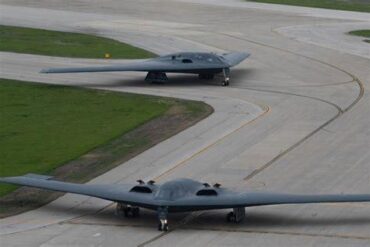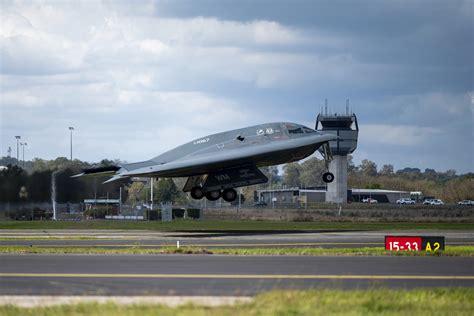
The recent US airstrike on Iranian nuclear facilities, executed by B-2 Spirit stealth bombers, has stirred global attention not only for its scale but for its startling precision and invisibility. According to Gen. Dan Caine, Chairman of the Joint Chiefs of Staff, Iran’s air defense systems failed to detect any US aircraft involved in the mission, marking a profound demonstration of American stealth capability and strategic deception.
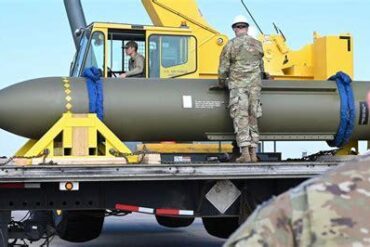
The operation, which saw seven B-2 bombers deploy 14 massive 30,000-pound bunker-buster bombs, marks the largest operational deployment of B-2s in US history. While the strategic impact on Iran’s nuclear ambitions remains under scrutiny, the tactical success of this mission reveals the modern art of warfare—one painted with radar-evasive lines, decoys, and digital silence.
The B-2 Spirit: Engineering Invisibility
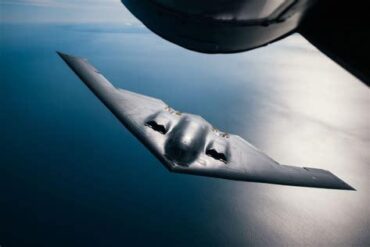
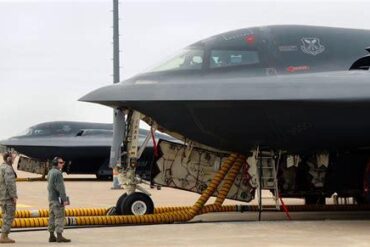
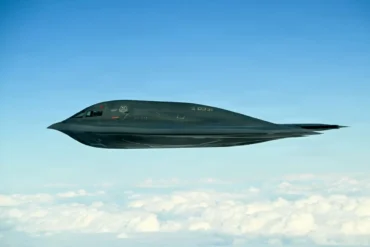
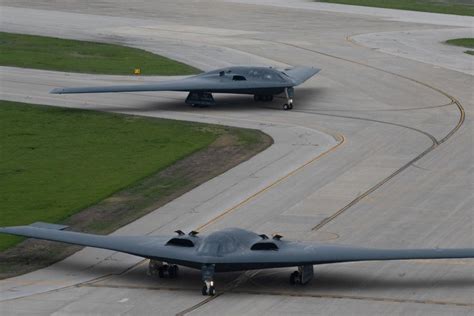
At the heart of this mission lies the Northrop Grumman B-2 Spirit, a flying-wing aircraft specifically engineered for stealth. Designed during the Cold War, the B-2 was built to infiltrate the Soviet Union undetected, capable of delivering nuclear payloads across continents. Its futuristic silhouette, combined with radar-absorbent materials, edge-aligned airframe, and active stealth technologies, makes it virtually invisible to traditional radar systems.
The B-2’s radar cross-section is so small that it can appear no larger than a bird on radar screens. This capability is not just a product of shaping; it’s a symphony of composite materials, electromagnetic signature control, and tactical emissions discipline. Operating at both high and low altitudes, the B-2 uses strict radio silence, flying with lights off and minimal radar reflection, thereby minimizing exposure to infrared, visual, and acoustic detection.
Iran’s Broken Shield: Degraded Air Defenses
While stealth provided the backbone of invisibility, Iran’s weakened air defense infrastructure completed the picture. In the days preceding the US strike, Israeli forces launched a targeted campaign against Iranian surface-to-air missile systems. According to regional sources, this preparatory offensive by Israel neutralized several critical radar sites and command nodes, making it nearly impossible for Iran to create a cohesive airspace awareness.
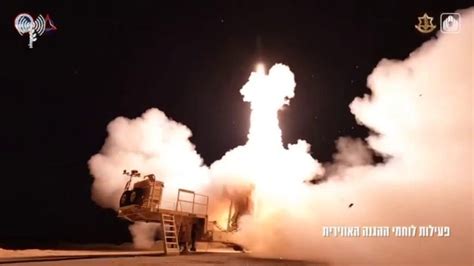
Iran’s defense network relies heavily on legacy Soviet-era systems like the S-200 and older variants of the Hawk missile platforms. These systems lack the modern data fusion capability necessary for integrating radar and optical feeds from dispersed sensors. As a result, Iran’s early-warning systems were blind and fragmented, unable to coordinate an effective defense posture against incoming threats.
Moreover, the mountainous terrain surrounding key facilities like Fordow and Natanz further hampered Iranian defenses. These topographic features can create radar blind spots, which the B-2s expertly exploited. Flying low and silent through valleys and passes, the bombers could avoid line-of-sight detection. The timing of the mission—deep in the night—also reduced the efficiency of any human operator-based detection, adding another layer of invisibility.
Multi-Layered Escort and Deception Tactics
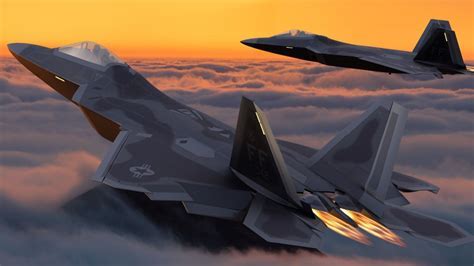
Although the B-2 Spirit is a masterclass in stealth, it did not operate in isolation. The mission included a carefully curated package of fourth- and fifth-generation escort aircraft, including F-22 Raptors and F-35 Lightning IIs, whose roles were both defensive and strategic. These fighters swept Iranian airspace ahead of the B-2s, neutralizing any potential aerial threats and scanning for radar emissions.
ISR (Intelligence, Surveillance, and Reconnaissance) aircraft orbited in supportive roles, feeding real-time data back to mission planners and pilots. Notably, no shots were fired at the aircraft during the mission, a testament to the completeness of the US air superiority and Iran’s inability to react.
The mission also involved a complex deception strategy. A portion of the US air package veered westward into the Pacific, acting as a decoy. According to Gen. Caine, this decoy maneuver was part of a tightly held deception effort, known only to a select few senior officials in Washington and the Pentagon’s Central Command in Tampa. These feints misled potential observers and intelligence trackers, allowing the actual strike package to move into Iranian airspace under a cloak of silence and misdirection.
Strategic Impact and the Unknown Aftermath
President Donald Trump hailed the strike as a “total success,” declaring that Iran would “never develop nuclear weapons.” While the operation showcased the lethality and precision of the US Air Force, questions remain about the long-term strategic damage inflicted on Iran’s nuclear capabilities.
Key sites such as Fordow and Natanz, buried deep within mountain bunkers, are known to house both uranium enrichment facilities and research installations. The use of 30,000-pound GBU-57 Massive Ordnance Penetrators (MOPs) was intended to breach these hardened targets. Satellite images released post-strike show significant structural damage to the entrances and auxiliary facilities, though the extent of the internal destruction remains classified.
Iranian officials have not released casualty figures, and most nuclear scientists are believed to have been evacuated well before the strike. Furthermore, analysts speculate that enriched uranium stockpiles may have been relocated, potentially preserving Iran’s breakout capability.
The Political Undercurrent: Israel’s Lead and US Calculations
While the strike was executed by US forces, its context is deeply entwined with Israel’s broader campaign against Iranian nuclear advancement. Earlier this month, Israel conducted a surge of airstrikes targeting Iranian military installations, nuclear experts, and command structures. These operations were carried out unilaterally, reflecting Tel Aviv’s impatience with stalled diplomacy and its preference for preemptive military action.
The US, under the Trump administration, initially pursued a diplomatic course, seeking to revive or renegotiate aspects of the JCPOA (Joint Comprehensive Plan of Action). But as intelligence reports mounted—suggesting Iran was accelerating enrichment efforts—Washington opted to join Israel in an unprecedented show of force.

Lessons in Modern Warfare: Silence, Surprise, and Supremacy
This strike reinforces the relevance of stealth technology and electronic warfare in contemporary conflicts. It’s no longer sufficient to have firepower; success hinges on information dominance, timing, and multidimensional deception. The US mission exemplified these principles with remarkable clarity:
- Stealth aircraft provided the backbone of penetration.
- Fifth-generation fighters and ISR platforms ensured domain control.
- Decoy maneuvers and communications silence sowed confusion and disrupted enemy preparation.
- Geographic and temporal planning amplified radar evasion and reduced human oversight.
The world witnessed more than a bombing run—it saw a masterclass in modern strike coordination. The fusion of technology, intelligence, and psychological misdirection created a scenario where the world’s most defended nuclear sites were attacked without a single shot being fired in response.
While Iran may recover its infrastructure and resume its nuclear ambitions, the message delivered is clear: invisible power is the most formidable. And for now, the B-2 Spirit remains the most potent ghost in the skies.