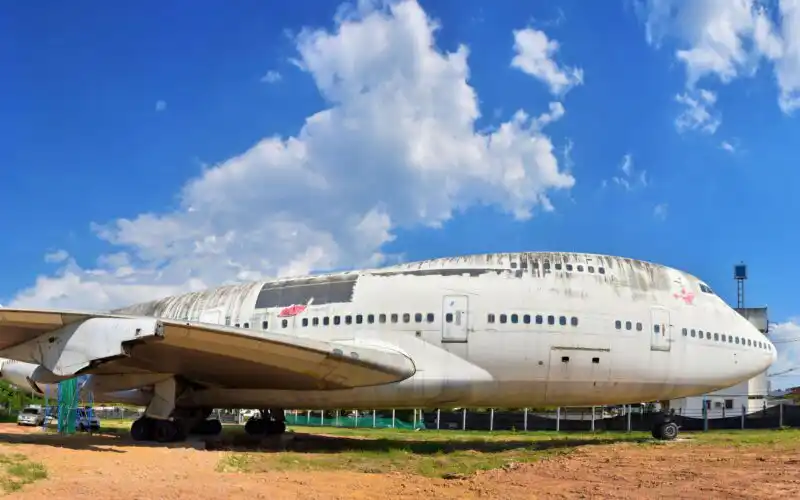
Commercial aircraft are among the most sophisticated machines ever built. Designed to fly millions of miles and transport countless passengers across continents, these engineering marvels eventually reach the end of their operational lives. Yet retirement does not mean immediate destruction or abandonment. Instead, aircraft enter a complex and highly organized process that determines whether they will be stored, dismantled, converted, recycled, or repurposed.
Understanding what happens to aircraft after retirement reveals an intricate ecosystem within aviation—one driven by economics, engineering limits, environmental regulations, and global demand for spare parts. In many ways, the final chapter of an aircraft’s life can be just as fascinating as its decades of service in the skies.
From vast desert storage facilities to cutting-edge recycling plants and creative architectural reuse, retired aircraft embark on surprising new journeys long after their final commercial flight.
Why Aircraft Eventually Retire
Airplanes are not retired simply because they become old. In aviation, age is measured less by calendar years and more by pressurization cycles—the repeated process of cabin pressurization and depressurization during each flight.
Every time a plane climbs to cruising altitude, the fuselage expands slightly due to cabin pressure. When the aircraft descends, the pressure reduces and the structure contracts. Over thousands of cycles, this constant expansion and contraction slowly weakens the metal structure of the aircraft.
For example, a short-haul aircraft flying multiple daily routes may experience six or more cycles per day, while a long-haul aircraft might complete only one. As a result, regional or short-haul aircraft can reach their structural limits sooner despite being younger in years.
Airlines weigh several factors before deciding to retire an aircraft:
- Rising maintenance costs
- Expensive heavy maintenance checks such as D-Checks
- Fuel efficiency compared with newer aircraft
- Environmental regulations and emissions targets
- Market demand for spare parts
- Residual value of engines and avionics
When a major maintenance inspection approaches—often costing several million dollars—airlines frequently determine that retiring the aircraft and investing in newer models is the more economical option.
The Final Flight: Journey to the Aircraft Boneyard
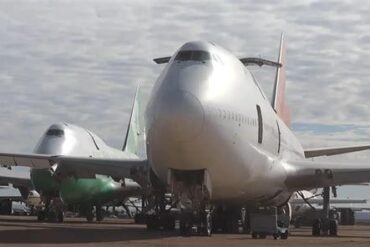
Once retirement is confirmed, an aircraft usually performs one final flight. Instead of carrying passengers, it travels to a specialized storage facility commonly known as an aircraft boneyard.
These storage sites are typically located in dry desert climates where low humidity prevents corrosion. Famous aircraft storage locations include facilities in Arizona, California, Spain, and Australia, where hundreds or even thousands of retired aircraft sit in orderly rows across vast desert landscapes.
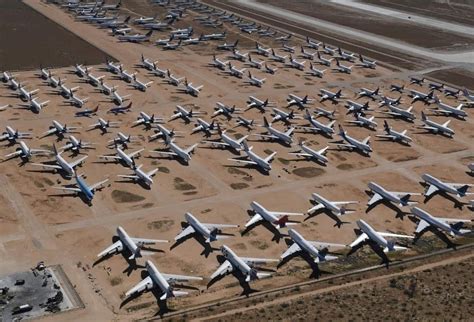
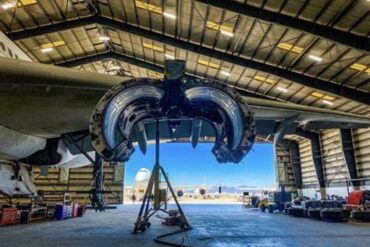
At these facilities, aircraft are carefully preserved while their future is evaluated. The immediate priority is removing the most valuable components.
Aircraft engines alone can be worth millions of dollars, especially if they still have significant operating life remaining. Advanced avionics, landing gear assemblies, flight control systems, and navigation instruments are also removed and cataloged.
These parts enter the global aviation supply chain as Used Serviceable Material (USM), where they help keep other aircraft flying.
In many cases, the value of the removable parts exceeds the value of the entire remaining aircraft structure.
Aircraft Storage: Preserving Jets for Potential Return
Not all aircraft sent to storage are permanently retired. Some enter temporary preservation, allowing them to return to service if market conditions change.
When an aircraft is placed into storage, technicians prepare it carefully to protect its systems. The process includes:
- Draining sensitive fluids
- Sealing engines and air intakes
- Covering cockpit windows and sensors
- Applying protective coatings to exposed metal
- Periodically rotating engines and wheels
These measures allow an aircraft to remain dormant for months or even years without significant degradation.
During industry downturns—such as global economic recessions or airline restructuring—large numbers of aircraft may enter storage. If travel demand rebounds, airlines can reactivate these aircraft more quickly than ordering new ones from manufacturers.
However, prolonged storage is expensive. Maintenance crews must regularly inspect the aircraft, and airports charge storage fees. As a result, airlines often face a choice between keeping the aircraft preserved or dismantling it for parts.
Harvesting Valuable Components
Aircraft dismantling has evolved into a highly efficient industrial process. Specialized teams systematically remove components from the airframe, carefully documenting each part to ensure traceability and compliance with aviation safety regulations.
A single retired aircraft can provide over a thousand reusable components, including:
- Hydraulic pumps
- Flight computers
- Cockpit displays
- Navigation radios
- Fuel control systems
- Environmental control units
These parts are tested, certified, and sold to airlines or maintenance providers worldwide.
The practice of harvesting parts has become especially important in recent years due to global supply chain disruptions affecting aircraft manufacturers. When airlines cannot obtain new components quickly enough, used serviceable parts from retired aircraft provide a critical alternative.
For many operators, these recycled components allow them to maintain operational reliability without waiting months for factory-built replacements.
Passenger Aircraft Converted Into Cargo Freighters
One of the most common second lives for retired passenger aircraft is conversion into cargo freighters. This process, known as Passenger-to-Freighter (P2F) conversion, transforms aging passenger jets into dedicated cargo aircraft capable of transporting freight and e-commerce shipments.
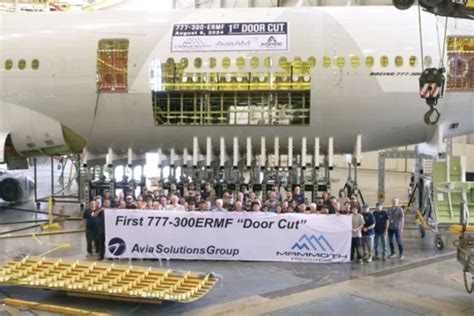
During conversion, engineers make major structural modifications to the aircraft. Passenger seats and cabin interiors are removed, large cargo doors are installed, and reinforced flooring is added to support heavy palletized loads.
Aircraft types commonly converted into freighters include:
- Boeing 767
- Boeing 737
- Airbus A321
- Airbus A330
Cargo aircraft typically operate under less demanding cycle requirements compared with passenger aircraft, allowing them to continue flying for another 10 to 15 years after conversion.
The explosive growth of global e-commerce has made freighter conversions particularly attractive. Companies like Amazon, FedEx, and DHL require large fleets of cargo aircraft to meet rising demand for rapid delivery networks.
As a result, many aircraft that would otherwise be scrapped instead gain a profitable second life hauling freight around the world.
Global Resale Markets for Retired Aircraft
Aircraft retirement does not always mean dismantling or conversion. Many aircraft are simply sold to secondary operators in developing markets.
Major airlines in countries such as Japan often retire aircraft earlier than necessary to maintain modern fleets and brand reputation. However, these aircraft may still have many years of operational life remaining.
Emerging airlines in regions such as Southeast Asia, Africa, and South America frequently purchase these well-maintained aircraft at discounted prices.
This secondary market allows airlines with smaller budgets to expand their fleets without investing in expensive new aircraft from Boeing or Airbus.
For example, a narrowbody aircraft retired after 12 years by a premium airline may continue flying for another decade with a regional carrier.
This global redistribution extends the operational life of many aircraft and reduces unnecessary waste across the aviation industry.
The Aircraft Recycling Industry
If an aircraft cannot be sold or converted, dismantling becomes the final step in its lifecycle. Fortunately, modern aviation recycling processes recover a remarkable percentage of the aircraft’s materials.
Today, up to 90 percent of an aircraft’s total weight can be recycled or reused.
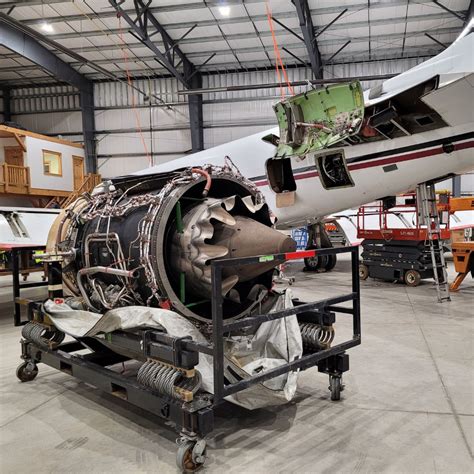
Most older aircraft are built primarily from aerospace-grade aluminum, a material that can be melted down and reused with significantly lower energy consumption compared with producing new aluminum from raw ore.
Recycled aircraft aluminum often finds its way into:
- Automotive manufacturing
- Construction materials
- Consumer products
- Packaging materials such as beverage cans
Recycling aluminum requires approximately 95 percent less energy than producing it from bauxite ore, making aircraft recycling an environmentally valuable process.
In addition to metals, recycling facilities also recover copper wiring, titanium components, and specialized alloys used in landing gear and engine mounts.
These valuable materials feed back into global manufacturing supply chains, demonstrating how aviation increasingly operates within a circular economy model.
Environmental Challenges of Modern Aircraft Materials
While aluminum aircraft are relatively easy to recycle, newer aircraft present a growing challenge. Modern airliners like the Boeing 787 Dreamliner and Airbus A350 use large quantities of carbon-fiber-reinforced composites.
These materials provide exceptional strength and weight reduction, improving fuel efficiency. However, they are far more difficult to recycle than traditional metals.
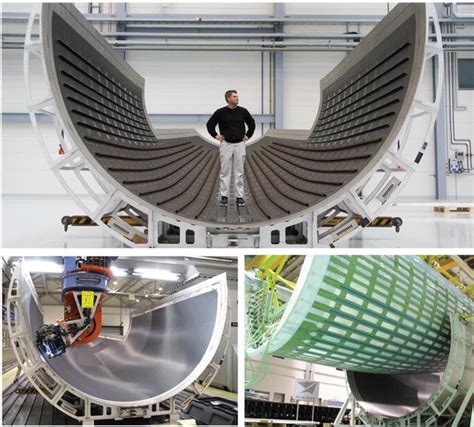
Carbon fiber components cannot simply be melted down like aluminum. Instead, they must undergo specialized processes to break down the resin bonding the fibers together. Even then, the recovered material is often lower grade than the original.
As a result, many composite aircraft components are currently downcycled into less demanding applications such as automotive parts or construction materials.
Researchers and aerospace companies are actively developing new recycling technologies capable of recovering high-quality carbon fibers. These advancements will become increasingly important as more composite-heavy aircraft reach retirement age in the coming decades.
Creative Reuse: Aircraft as Hotels, Homes, and Restaurants
Although rare, some retired aircraft are transformed into entirely new structures through a process known as upcycling. Instead of dismantling the fuselage, designers repurpose it into architectural or artistic projects.
Examples of aircraft upcycling include:
- Luxury hotel suites built inside airplane fuselages
- Restaurants and bars located within retired aircraft cabins
- Private homes constructed from aircraft sections
- Aviation-themed museums and educational displays

These projects generate significant public interest and often become viral attractions on social media. However, they represent only a tiny fraction of retired aircraft.
Transporting an aircraft fuselage across land is logistically complex and extremely expensive. In many cases, the cost of relocation exceeds the value of the structure itself.
For this reason, large-scale industrial recycling remains the most practical and common fate for retired aircraft.
Safety Risks and the Gray Market for Aircraft Parts
While aircraft dismantling is tightly regulated in most developed aviation markets, risks still exist. One of the most serious concerns involves unapproved or counterfeit aircraft parts entering the global supply chain.
If dismantled components lose proper documentation during teardown, they may be resold without verified maintenance histories. This creates significant safety risks for airlines and passengers.
A notable case in 2026 involved a parts trader who sold tens of thousands of engine components with forged certification documents. The scandal highlighted the importance of strict traceability and regulatory oversight within the aircraft recycling industry.
To combat these risks, reputable dismantling facilities follow standards established by organizations such as the Aircraft Fleet Recycling Association (AFRA). These certifications ensure that aircraft are dismantled responsibly, hazardous materials are properly disposed of, and all recovered parts are accurately tracked.
Strict documentation protects the safety of the global aviation network.
Why Aircraft Retirement Supports the Aviation Economy
Aircraft retirement might appear wasteful at first glance, but it actually plays a critical role in sustaining the aviation ecosystem.
Retired aircraft provide three major economic benefits:
First, dismantled aircraft supply affordable spare parts to airlines worldwide. These components help reduce maintenance costs and keep older aircraft flying safely.
Second, recycling materials such as aluminum and titanium reduces the environmental impact of manufacturing new aircraft components.
Third, the resale value of engines and parts provides airlines with financial capital that helps fund purchases of new, more efficient aircraft.
In effect, retiring an aircraft becomes a strategic financial decision that enables airlines to modernize their fleets while maintaining operational stability.
The Future of Aircraft Retirement
As the aviation industry moves toward ambitious climate goals, aircraft retirement processes will continue evolving. Airlines are replacing older aircraft with fuel-efficient next-generation models that burn less fuel and produce fewer emissions.
This transition means more aircraft will reach retirement in the coming decades, increasing demand for advanced recycling technologies.
Future developments may include:
- Improved recycling systems for composite materials
- Automated dismantling technologies
- Digital part-tracking systems using blockchain
- Enhanced circular economy strategies across aviation manufacturing
Ultimately, aircraft retirement is transforming from a logistical challenge into a carefully managed industrial process that maximizes value while minimizing environmental impact.
Conclusion
The retirement of an aircraft is far from the end of its story. Instead, it marks the beginning of a new industrial lifecycle where valuable components, materials, and engineering innovations continue serving the aviation ecosystem.
Whether stored in desert boneyards, converted into cargo freighters, dismantled for critical spare parts, or recycled into raw materials for future products, retired aircraft remain deeply integrated into the global economy.
In today’s aviation industry, a retired airplane is no longer seen as obsolete machinery. It is viewed as a repository of valuable resources, capable of supporting airlines, manufacturers, and recycling industries alike.
As recycling technologies advance and the circular economy expands, the aviation sector is moving closer to a future where every retired aircraft contributes to the creation of the next generation of flight.