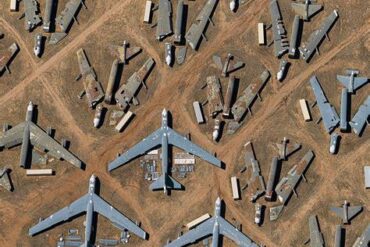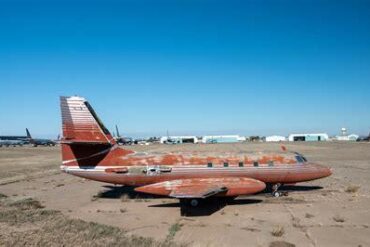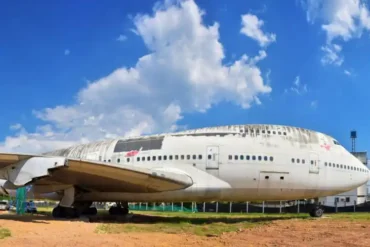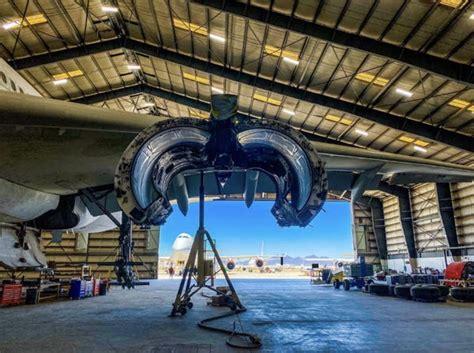
Aircraft boneyards are where aviation meets its afterlife — vast expanses of sun-baked tarmac and desert earth where steel giants rest in silence, awaiting either resurrection or disassembly. From the roaring skies to the rustling winds of remote runways, these facilities form a critical component of the global aviation ecosystem. They serve not only as final resting places for aircraft but as hubs for recycling, spare parts reclamation, and even strategic military storage.
The Critical Role of Climate and Space in Aircraft Boneyards
The placement of aircraft boneyards is no accident. Dry climates, with minimal rainfall and low humidity, help preserve the airframes and interiors of planes for years, slowing corrosion to a crawl. Additionally, vast, flat tracts of land allow for easy taxiing, parking, and storage of thousands of aircraft of all sizes — from nimble regional jets to towering Airbus A380s and military cargo planes.
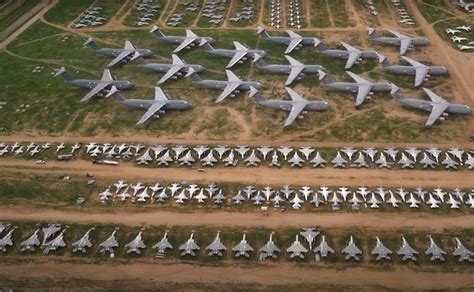
Twente Airport – The Quiet Powerhouse of the Netherlands
Nestled in the eastern Netherlands, Twente Airport (ENS) has emerged as a strategic storage site, especially during the global aviation freeze of the COVID-19 pandemic. Capable of holding up to 80 aircraft, it hosted several Lufthansa Boeing 747s, acting as a temporary home for these iconic giants. The airport’s quiet runways have been revitalized by Aircraft End-of-Life Solutions (AELS), a Dutch company that meticulously disassembles aircraft and recertifies valuable parts for reuse. With over 75 aircraft dismantled, Twente has carved out a niche in sustainable aviation recycling.
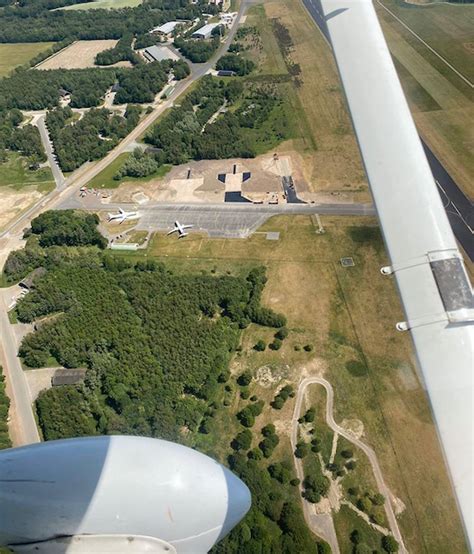
Tarbes–Lourdes–Pyrénées Airport – France’s Green Reclamation Site
Located near the foothills of the French Pyrenees, Tarbes–Lourdes–Pyrénées Airport serves a dual role — functioning both as a regional hub and a vital aircraft boneyard. Housing over 100 aircraft, the facility is run by TARMAC Aerosave, a joint venture of Airbus, Safran, and Suez, focused on environmentally conscious aircraft dismantling and recycling. Over 300 aircraft have passed through TARMAC’s meticulous process, reinforcing France’s leadership in sustainable aerospace practices.
Alice Springs Airport – Australia’s Dry Dock for Asia-Pacific Fleets
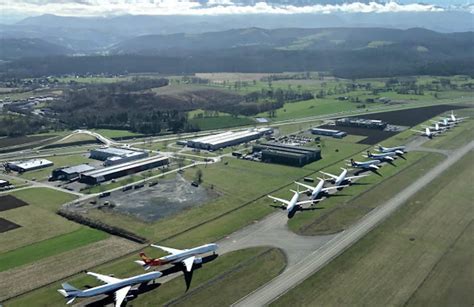
In the heart of Australia’s Northern Territory lies Alice Springs Airport, home to the Asia Pacific Aircraft Storage (APAS). With capacity for up to 200 aircraft, its remote, arid location made it a top choice for airlines like Cathay Pacific and Singapore Airlines during the pandemic. The site’s climate reduces corrosion risk and ensures long-term storage without the need for constant maintenance. Despite a dwindling commercial schedule, the airport has remained an essential node for preserving high-value aviation assets in the Asia-Pacific region.
Kingman Airport – A Legacy of Surplus and Storage
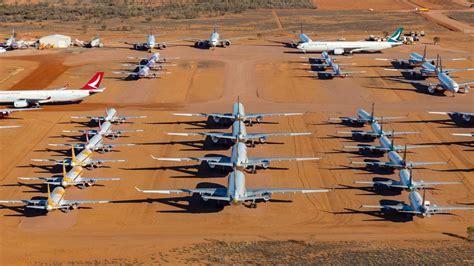
In Arizona’s Mojave landscape, Kingman Airport sits as a testament to post-WWII aviation excess. Once known as “Depot No. 41,” it stored thousands of surplus military aircraft. Today, it maintains around 250 aircraft and serves both military and civilian aviation needs. Operators like DHL and American Eagle have aircraft in various states of disrepair and dismantlement here. Kingman’s 4,000-acre site offers not only storage but FAA-certified maintenance and component reclamation — keeping vital parts in circulation and reducing waste.

Teruel Airport – Spain’s A380 Graveyard and Tech Haven
Europe’s largest boneyard, Teruel Airport, has transformed into a centerpiece for aircraft recycling. Run by TARMAC Aerosave, it boasts facilities capable of handling the world’s largest passenger jet — the Airbus A380. In fact, Teruel made headlines by dismantling its first A380 in 2022, marking a turning point in the lifecycle of modern aviation. Despite lacking commercial flights, Teruel’s importance continues to grow, now equipped with two dedicated A380 hangars that can also store multiple narrowbody aircraft.
Pinal County Airpark – Desert Giant with Military Roots
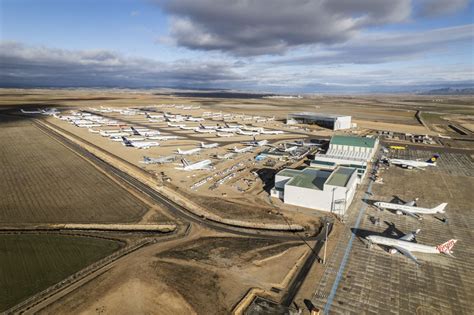
Pinal County Airpark, stretching across 1,508 acres in Arizona, serves as a critical aviation hub managed by Marana Aerospace Solutions. Originally a WWII training ground, today it claims to be the “world’s largest commercial aircraft MRO (Maintenance, Repair, and Overhaul) and storage facility.” Over 400 aircraft lie dormant here, including airframes from major carriers undergoing inspection, parts harvesting, or awaiting resale. Despite its open-air museum vibe, access is limited — visitors must book tours to witness this sleeping fleet.
Southern California Logistics Airport – From Air Base to Aviation Hub
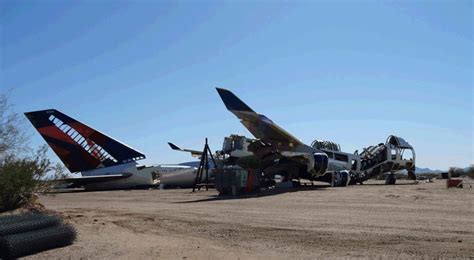
Known in military circles as George Air Force Base, Southern California Logistics Airport (Victorville) is now a civilian-run logistics and storage facility. Spread over 2,300 acres, it stores up to 500 aircraft, including high-profile airframes like the Boeing 747 and Airbus A380. Companies such as ComAv, Boeing, General Atomics, and General Electric have operations on-site, ranging from aircraft recycling to component testing. Its proximity to California’s aerospace hubs ensures a constant influx of aircraft for storage, retrofitting, or dismantling.
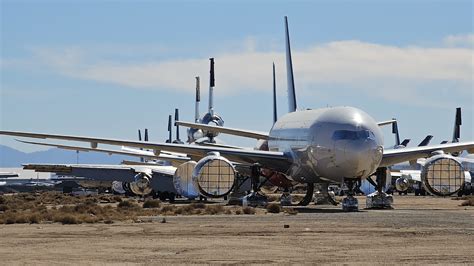
Mojave Air & Space Port – Where Aerospace and Boneyards Converge
While famous for its role in commercial space exploration and experimental aircraft testing, the Mojave Air & Space Port is also one of the largest aircraft boneyards globally. Hosting more than 1,000 aircraft, Mojave has seen jets from Qantas, China Southern Airlines, and many others parked here, especially during global slowdowns. With over 60 aerospace companies operating on-site, it serves as a unique convergence point of innovation, storage, and aerospace heritage. The dry desert conditions and its FAA-licensed spaceport status make Mojave an irreplaceable site for both aviation and space sectors.
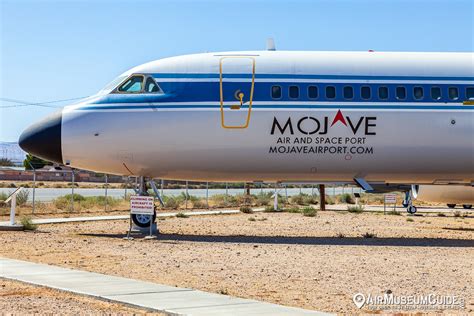
Roswell International Air Center – From UFO Lore to Industry Mainstay
In Roswell, New Mexico, aviation storage and alien conspiracies coexist. The Roswell International Air Center (RIAC) sprawls across 5,000 acres and has hosted over 1,000 aircraft. During the pandemic, it saw a surge in commercial jetliners arriving for storage from operators like United, UPS, Scoot, and Air Canada. RIAC maintains full MRO capabilities and even supports limited commercial operations via American Eagle. Its sheer scale and infrastructure have made it a cornerstone for both long-term storage and part extraction.
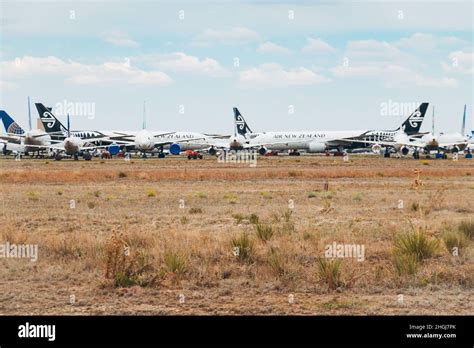
Davis-Monthan Air Force Base – The King of Boneyards
At the pinnacle stands the Davis-Monthan Air Force Base near Tucson, Arizona — widely regarded as the largest aircraft boneyard in the world. Managed by the 309th Aerospace Maintenance and Regeneration Group (309 AMARG), the facility spans 10,000 acres and stores over 3,200 aircraft and 6,000 engines. The decision to locate the boneyard here was deliberate: minimal rainfall and extremely hard caliche soil allow aircraft to be parked directly on the desert ground without additional paving.
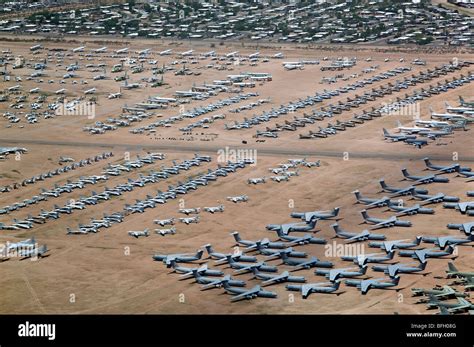
This site holds strategic military value, able to re-activate mothballed aircraft rapidly when needed. In 2023, it readied 13 MI-17 helicopters for Ukrainian aid in just three days. The facility harvests an estimated 6,000 parts annually, showcasing its efficiency and importance in maintaining America’s aerial readiness.
Beyond Storage – The Future of Aircraft Boneyards
Today’s boneyards are no longer just open-air museums for grounded jets. They are active centers of aviation logistics, sustainability, and national defense. As new-generation aircraft enter service and older models phase out, the demand for eco-conscious dismantling and efficient part reuse is skyrocketing.
Modern facilities like TARMAC Aerosave and Marana Aerospace lead the charge in recycling composites, electronics, and engines. These innovations are not just about managing aviation waste but about transforming it into a valuable resource stream for a growing global fleet.
Conclusion: Where Aviation Ends and Begins Again
Aircraft boneyards offer a hauntingly beautiful glimpse into the cyclical nature of aviation. From the silent silhouettes of grounded giants to the buzz of workers extracting vital components, these facilities are essential cogs in the aerospace machinery. They represent not just the end of an aircraft’s life, but also the beginning of something new — be it a refurbished jet, a salvaged part, or a lesson in sustainable engineering. In the vast stillness of these desert sanctuaries, aviation never truly dies — it merely awaits its next chapter.