The story of Boeing’s formation is not a romantic tale of a lone inventor chasing flight for glory. It is something rarer and more consequential: the origin of aviation as an industrial system. Boeing did not merely learn how to fly; it learned how to build flying machines reliably, repeatedly, and at scale, and that distinction changed the trajectory of aerospace history.
At the center stands William Edward Boeing, a pragmatic industrialist whose background in timber, shipyards, and large-scale logistics shaped a radically different philosophy of flight. Where many early aviators pursued records, stunts, or personal achievement, Boeing pursued durability, standardization, and institutional trust. He believed airplanes would matter only if governments, militaries, and businesses could depend on them as predictable machines rather than fragile experiments.
This mindset explains why Boeing’s first aircraft did not seek headlines and why its earliest success came not from glamour but from contracts, production discipline, and engineering conservatism. From a single experimental seaplane on Lake Union emerged a company that would define commercial aviation, dominate wartime production, and ultimately carry humanity into the jet age and beyond.
By tracing how Boeing was formed, expanded, fractured, and reinvented itself, the origins of modern aviation itself come into focus.
William Boeing’s Industrial Mind Meets the Possibility of Flight
William Boeing’s path to aviation began far from cockpits or workshops. Born in 1881 and educated at Yale, he made his fortune in the Pacific Northwest timber industry, running the Greenwood Timber Company with notable efficiency. Logging, milling, and shipping demanded long-term planning, capital investment, and respect for materials under stress. These instincts would later shape how Boeing thought about airplanes.
His first encounter with powered flight came in 1909 at the Alaska-Yukon-Pacific Exposition in Seattle, where aviation demonstrations hinted at a transformative future. The aircraft he saw were fragile, unreliable, and often dangerous. Where others saw romance, Boeing saw potential unrealized through poor engineering discipline.
Rather than rush into experimentation, Boeing waited, studied, and observed. He understood that aviation would succeed not through daring pilots but through machines that could survive weather, rough handling, and repeated use. This belief would soon place him at odds with much of early aviation culture—and give him a decisive advantage.
The B&W Seaplane and the Birth of a Manufacturing Philosophy
In 1915, Boeing enrolled at the Glenn L. Martin School of Aviation, learning to fly while deepening his technical understanding. Recognizing his own limits as a designer, he partnered with U.S. Navy Lieutenant George Conrad Westervelt, a trained aeronautical engineer. The pairing was crucial: Boeing brought capital, industrial discipline, and ambition; Westervelt brought mathematical rigor and naval engineering principles.
Together they designed the B&W seaplane, later known as the Boeing Model 1A. It was a twin-float aircraft built not for speed records but for stability, structural integrity, and serviceability. When it first flew successfully on June 15, 1916, it demonstrated something more important than performance: it proved Boeing could build a functional, dependable aircraft.
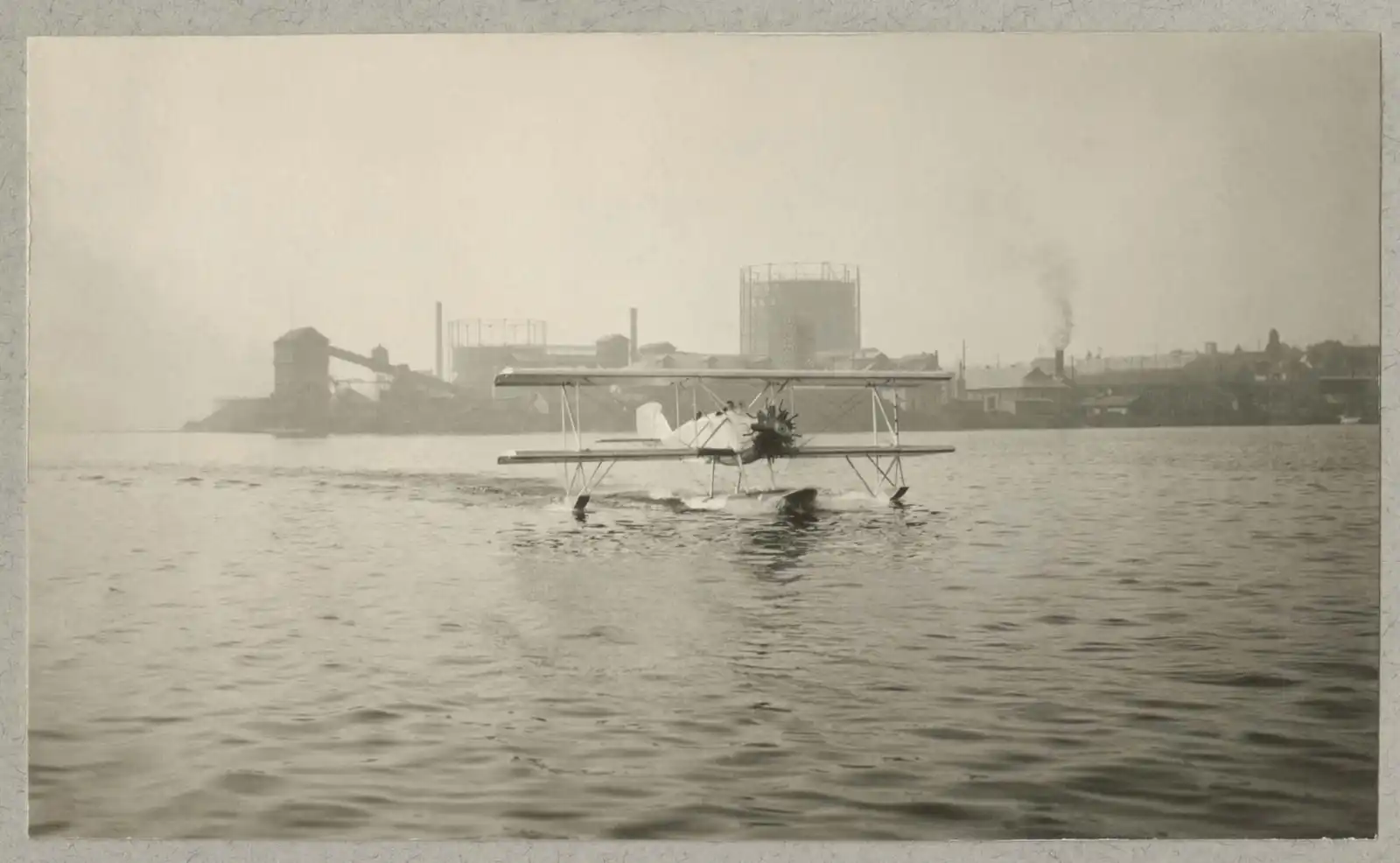
The U.S. Navy declined to purchase the aircraft, but the rejection missed the point. Boeing had validated a process. He could design, build, test, and refine aircraft within an industrial framework, not a tinkerer’s shed. That achievement marked the true beginning of Boeing as a company.
From Pacific Aero Products to Boeing Airplane Company
In July 1916, Boeing and Westervelt founded Pacific Aero Products Company. The timing was precarious, but global events soon intervened. As the United States edged toward involvement in World War I, demand for military aircraft surged. In May 1917, the company was renamed Boeing Airplane Company, signaling its intent to compete on a national scale.
Boeing’s early wartime success came with the Model C trainer, a rugged seaplane used extensively by the U.S. Navy. The aircraft’s appeal lay in its forgiving handling and strong construction, traits ideal for inexperienced pilots. Orders followed quickly, including a Navy contract for 50 aircraft, providing Boeing with its first major production run.
This period cemented Boeing’s core identity. The company prioritized repeatable manufacturing, quality control, and close alignment with government requirements. Boeing was not chasing innovation for its own sake; it was building trust through engineering reliability.
Surviving the Postwar Collapse and Reinventing Through Airmail
When World War I ended in 1918, military orders evaporated almost overnight. The market flooded with surplus aircraft, and many early aviation firms collapsed. Boeing survived through adaptability rather than nostalgia, briefly producing furniture, boats, and other products to keep its workforce employed.
The real lifeline arrived through airmail, a government-backed initiative that offered stability and long-term growth. Boeing recognized that mail routes would require aircraft capable of flying in poor weather, carrying consistent loads, and landing on rough fields. This led to the Boeing Model 40, a robust biplane designed explicitly for mail delivery.
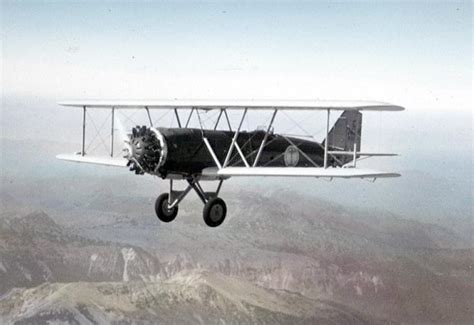
The improved Model 40A added passenger seating, quietly laying the foundation for commercial aviation. Mail subsidized routes, passengers provided profit, and Boeing controlled the aircraft. This integration blurred the line between manufacturer and operator and positioned Boeing at the center of an emerging aviation ecosystem.
Vertical Integration and the Creation of an Aviation Empire
During the late 1920s, Boeing pursued an ambitious strategy of vertical integration. Rather than remain a simple manufacturer, he sought control over aircraft production, engines, airlines, and maintenance. The logic was industrial: controlling the system reduced risk, stabilized revenue, and accelerated innovation.
This vision culminated in 1929 with the formation of United Aircraft and Transport Corporation (UATC), a vast holding company created with Pratt & Whitney engine founder Frederick Rentschler. Capitalized at $146 million, UATC combined Boeing, airline operators, and engine manufacturers under one roof.
For a brief moment, Boeing commanded the most powerful aviation enterprise on Earth. Aircraft, engines, routes, and passengers flowed through a single corporate structure, enabling unprecedented coordination and scale.
The 1934 Antitrust Breakup and William Boeing’s Exit
The empire proved too powerful for regulators. The Air Mail Act of 1934 dismantled UATC, forcing it to split into United Aircraft Corporation, United Airlines, and a standalone Boeing Airplane Company. The breakup ended Boeing’s grand experiment in vertical integration and marked the end of William Boeing’s direct leadership.
Disillusioned, Boeing sold his shares and withdrew from daily involvement. Yet the breakup had an unintended consequence. Stripped of airlines and engines, Boeing became a pure aircraft manufacturer, forced to compete solely on engineering excellence and strategic risk-taking. This pressure would soon forge its greatest achievements.
World War II and the Rise of Boeing as a Production Titan
As global conflict loomed again, Boeing transformed into a wartime colossus. The company became synonymous with heavy bombers, most notably the B-17 Flying Fortress, a machine designed for survivability, range, and mass production. Over 12,700 B-17s rolled off assembly lines, defining Allied air power over Europe.
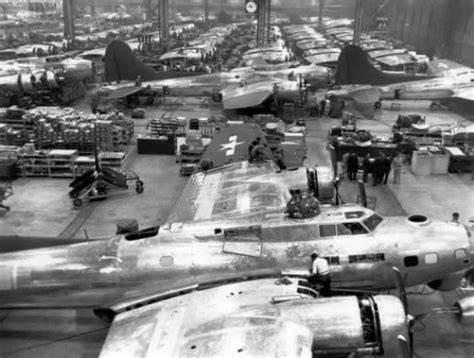
Even more ambitious was the B-29 Superfortress, an aircraft so advanced it required new factories, new tooling, and new engineering methods. With pressurized cabins, long range, and unprecedented payload, the B-29 represented the pinnacle of piston-engine bomber design. Boeing produced nearly 4,000 units, including those used in the final Pacific campaigns.
By war’s end, Boeing employed over 50,000 workers, proving it could execute industrial projects of staggering complexity.
The Jet Age Gamble: Dash-80 and the Boeing 707
The postwar collapse was brutal. Employment fell below 9,000, and competitors hesitated to invest in unproven jet technology. Boeing chose a different path. In a bold, internally funded gamble, it spent $15 million developing the Boeing 367-80, known as the Dash-80.
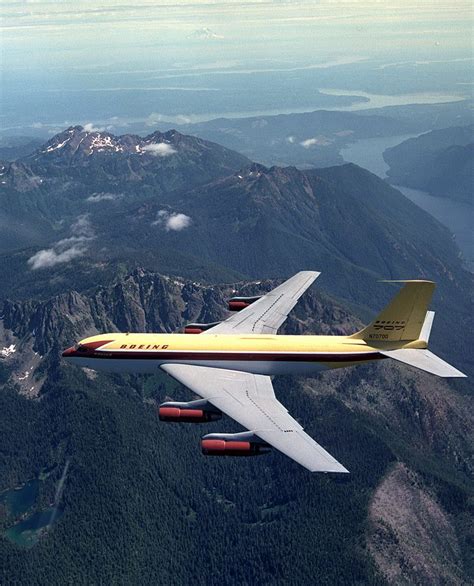
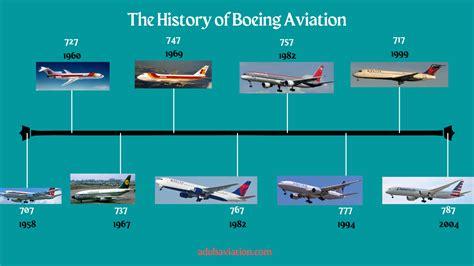
First flown in 1954, the Dash-80 demonstrated that jet propulsion could be reliable, economical, and scalable for commercial use. From it emerged the Boeing 707, introduced in 1958. The aircraft redefined long-distance travel, shrinking oceans and making jet flight the global standard.
The 707 did not merely succeed; it rewired the airline industry, establishing Boeing as the dominant force in commercial aviation.
From Cold War Expansion to Modern Aerospace Giant
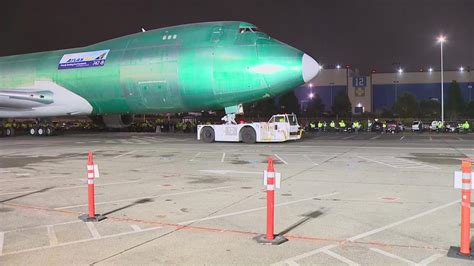
The decades that followed saw relentless expansion. Boeing introduced the 727, 737, and 747, each redefining its segment. The 747, assembled in a purpose-built factory in Everett, transformed mass air travel and symbolized technological ambition on a planetary scale.
Boeing also entered helicopters, spaceflight, and missile systems, contributing to the Apollo program by building the Saturn V first stage. By the end of the 20th century, Boeing was no longer just an aircraft manufacturer; it was a pillar of global aerospace infrastructure.
What Boeing’s Formation Ultimately Reveals
Boeing’s origin story reveals a truth often overlooked: aviation advanced not because of daring alone, but because of industrial patience, systems thinking, and disciplined engineering. William Boeing’s earliest decisions—to favor reliability over spectacle and production over experimentation—still echo through every modern aircraft program.
From a single seaplane to a global aerospace titan, Boeing’s formation explains why how airplanes are built matters as much as how they fly.