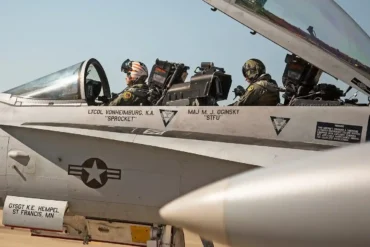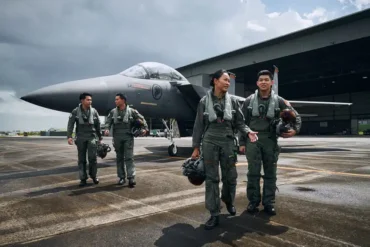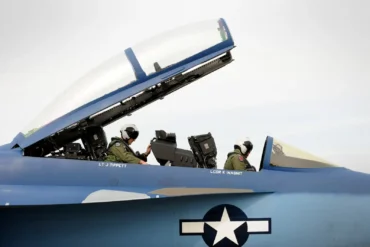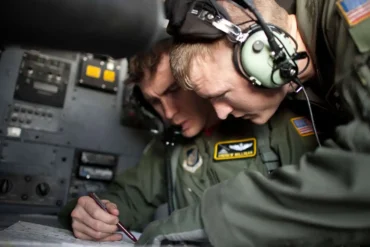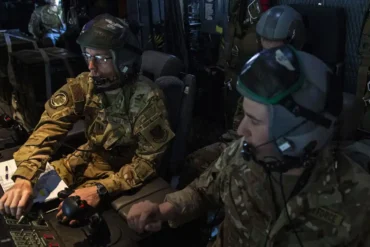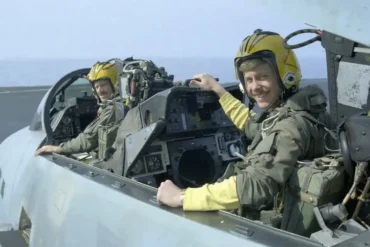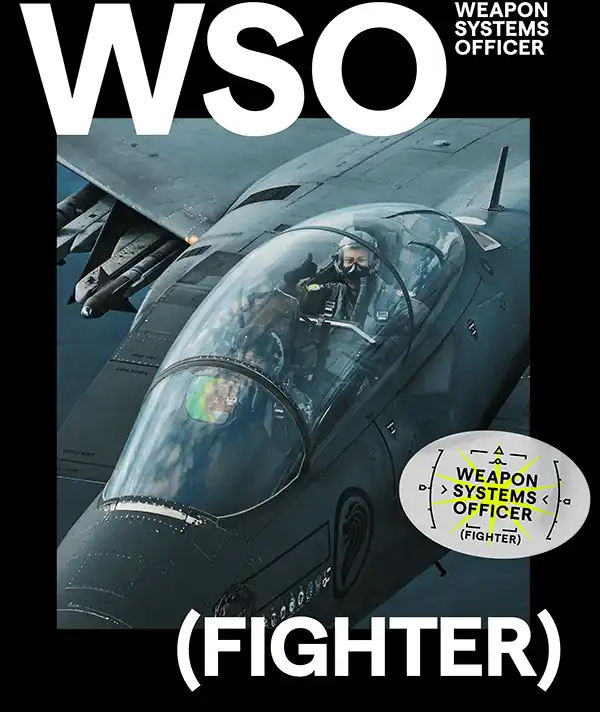
A Weapon Systems Officer (WSO), often referred to as a “wizzo”, is an integral part of multi-crew military aircraft, specializing in managing weapons, sensors, and electronic warfare. Found primarily in fighter jets and bombers, WSOs play a crucial role in mission success, coordinating offensive and defensive capabilities in highly complex combat environments. Their expertise in navigation, electronic countermeasures, and precision targeting makes them indispensable assets in modern air forces worldwide.
Core Responsibilities of a WSO
1. Weapons and Sensor Management
WSOs are responsible for handling a broad spectrum of onboard weaponry, including:
- Air-to-air missiles (e.g., AIM-120 AMRAAM, AIM-9 Sidewinder)
- Air-to-ground munitions (e.g., JDAM, Paveway laser-guided bombs)
- Guns and cannons (e.g., M61 Vulcan rotary cannon)
Beyond deploying ordnance, they also operate advanced sensor suites, including radars, infrared targeting pods, and reconnaissance systems to detect and track enemy assets with precision.
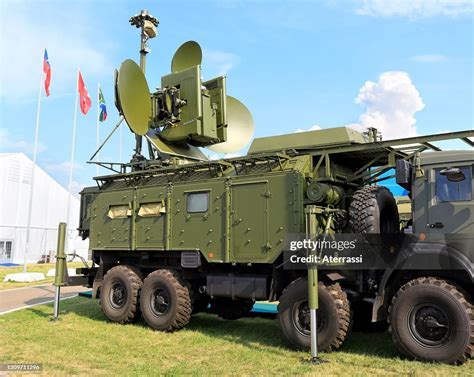
2. Electronic Warfare and Countermeasures
Modern battlefields are saturated with electronic threats. WSOs oversee electronic warfare (EW) operations, including:
- Radar jamming and deception
- Threat detection and suppression (e.g., AN/ALQ-184 ECM pod)
- Countermeasure deployment, such as chaff and flares
Their role is vital in ensuring aircraft survivability in hostile, contested environments where enemy radars, missiles, and integrated air defense systems pose significant risks.
3. Navigation and Mission Planning
Beyond weapon control, WSOs assist in:
- Route planning for optimized fuel efficiency and stealth
- Target identification through ISR (Intelligence, Surveillance, Reconnaissance) networks
- Real-time mission adjustments, crucial in dynamic air-to-ground or air-to-air combat scenarios
Training and Qualifications
1. Specialized Training Programs
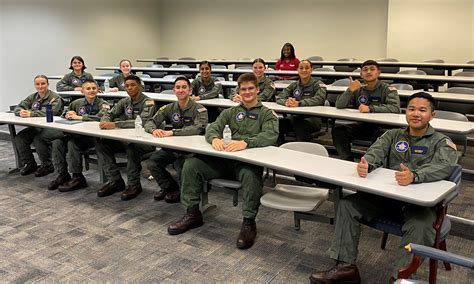
WSOs undergo rigorous training, beginning with foundational military courses and advancing to specialized tactical programs:
- Basic military training: Covers physical conditioning, leadership, and survival skills (e.g., Singapore RSAF’s 9-week training program)
- Flight screening programs: Conducted in nations like Australia, Canada, and the U.S., where trainees familiarize themselves with aircraft systems
- Advanced courses on specific platforms, such as the F-15E Strike Eagle, F-15EX, and J-16
2. Physical and Cognitive Requirements
Due to the demands of aerial combat, WSOs must meet strict physical and mental standards, including:
- Visual acuity limitations (e.g., myopia <800 degrees, astigmatism <300 degrees per eye in the RSAF)
- Cognitive sharpness to handle information-dense combat situations
- Quick decision-making skills in high-pressure environments
Evolution in Modern Air Combat
1. Multi-Crew Coordination and Advanced Roles
With the advent of next-generation fighters, WSOs have transitioned from mere weapons operators to Air Mission Commanders (AMCOs) in multi-crew platforms like the F-15EX, J-16, and J-20B. Their new responsibilities include:
- Coordinating multi-domain operations across air, land, sea, space, and cyber domains
- Overseeing AI-enhanced decision-making systems
- Managing drone swarms and integrating unmanned combat aerial vehicles (UCAVs) into air operations
2. WSOs in Data-Intensive Battlefields
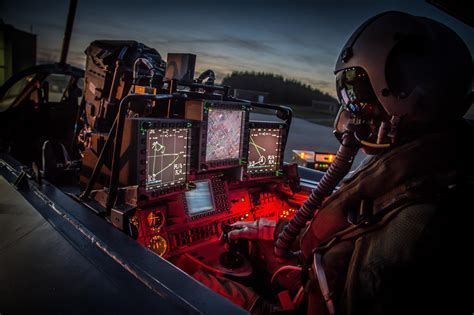
Modern conflicts are increasingly data-driven, requiring WSOs to process vast amounts of intelligence from ISR networks. They are trained to mitigate cognitive overload by leveraging AI-assisted data fusion tools, ensuring rapid target acquisition and engagement.
3. Global Case Studies
U.S. Air Force
WSOs, such as Maj. Joshua Campbell (1,500+ F-15E flight hours), demonstrate the critical role of integrating next-generation mission systems like the F-15EX’s open-mission architecture.
Singapore’s RSAF
Focuses on developing precision and resilience, incorporating rigorous technical mastery and leadership training to cultivate elite WSOs.
China’s PLA Air Force
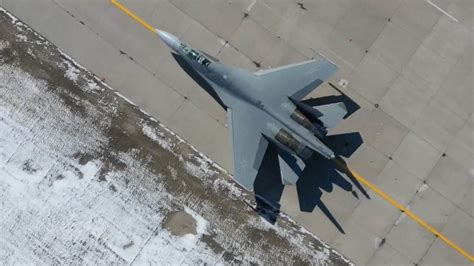
The J-16’s rear-seat WSO is instrumental in orchestrating multi-domain strikes and commanding AI-enhanced kill chains, aligning with China’s shift toward “information dominance” in modern warfare.
Future Trends in WSO Roles
1. AI and Human-Machine Teaming
With advancements in autonomous combat systems, WSOs will increasingly collaborate with AI-driven technologies for:
- Target prioritization and real-time battle management
- Autonomous weapons deployment with minimal human intervention
- Cyber and electronic warfare integration for seamless digital battlefield control
2. Expanded Leadership and Command Functions
As future air warfare becomes more networked, WSOs are expected to take on broader leadership roles, overseeing:
- Distributed formations of manned and unmanned aircraft
- Operational command roles, beyond tactical execution
- Network-centric warfare coordination, ensuring real-time connectivity between allied forces
Conclusion
The Weapon Systems Officer is no longer just a technical operator; they are a pivotal node in modern networked warfare. As aircraft evolve with AI, sensor fusion, and multi-domain capabilities, the WSO’s expertise in mission execution, real-time decision-making, and strategic coordination will only become more critical. Their ability to adapt to 21st-century combat paradigms ensures their place as indispensable force multipliers in global air forces.
FAQ: Frequently Asked Questions
1. How does a WSO differ from a pilot?
A WSO specializes in mission systems, weapons, and electronic warfare, while a pilot is responsible for flying the aircraft. In multi-crew jets like the F-15E and J-16, WSOs focus on battlefield management, target acquisition, and countermeasures.
2. Can a WSO become a pilot?
While some WSOs transition to pilot training programs, the roles require distinct skill sets. Certain air forces allow cross-training, but the WSO path is separate from flight operations.
3. What aircraft typically have WSOs?
Popular aircraft with WSOs include:
- F-15E Strike Eagle
- F-15EX Eagle II
- J-16 and J-20B (China)
- B-1B Lancer (Bomber role)
WSOs continue to shape the future of air combat, evolving with next-generation aircraft and AI-driven warfare systems.