Introduction to the Combat Systems Officer (CSO)
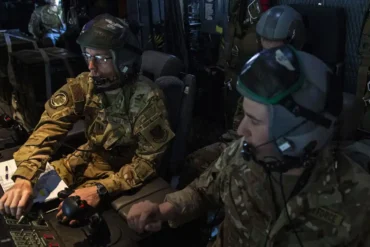
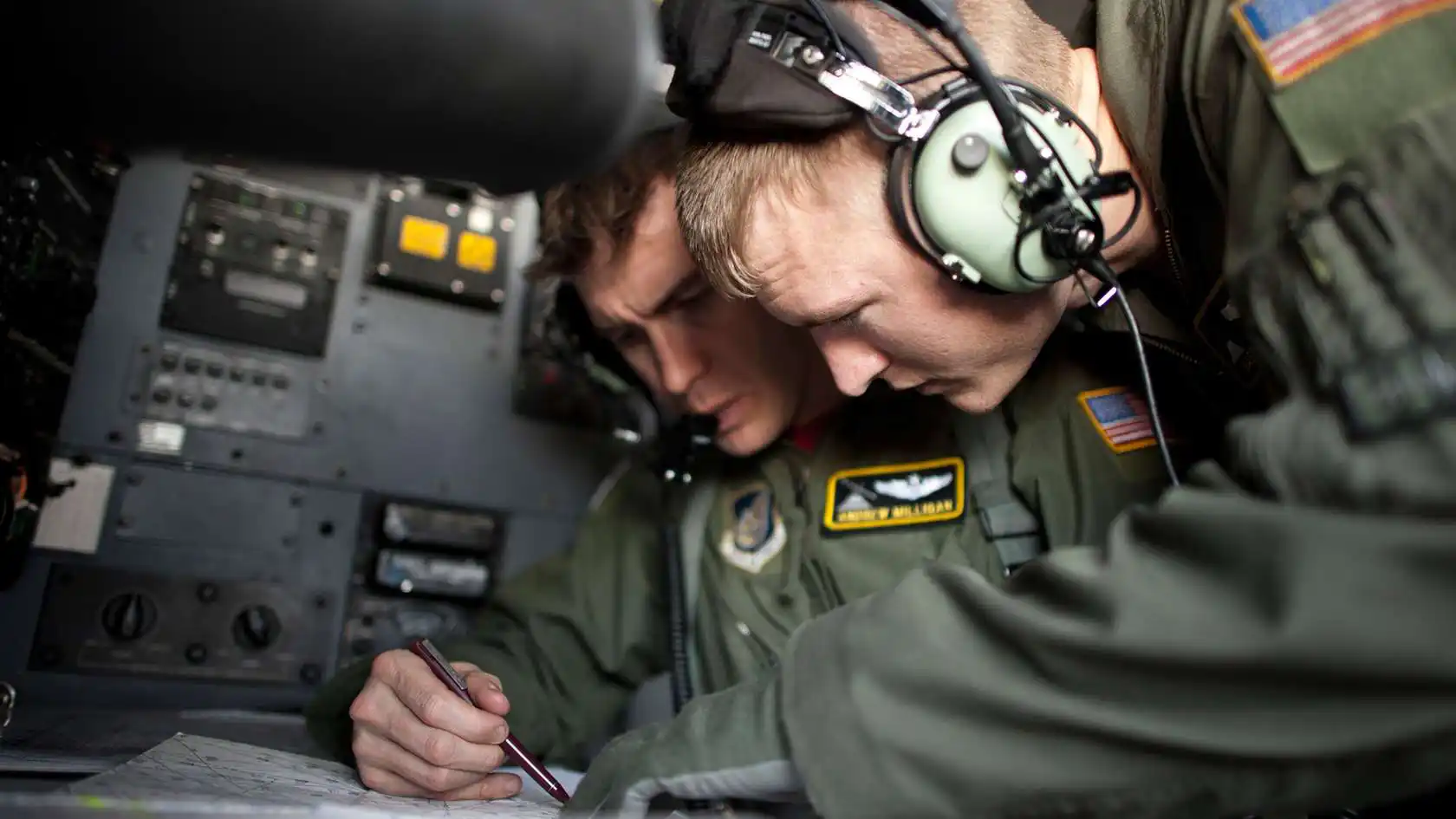
The Combat Systems Officer (CSO) plays a pivotal role in the United States Air Force (USAF), ensuring the execution of complex aerial missions. Unlike pilots, CSOs do not physically control the aircraft; instead, they oversee mission coordination, electronic warfare, weapons system management, and battlefield intelligence integration. This highly specialized role demands expertise in aviation technology, tactical operations, and leadership, making the CSO an essential component of modern air combat.
Core Responsibilities of a Combat Systems Officer
Mission Command and Systems Operation
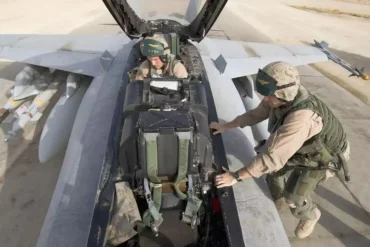
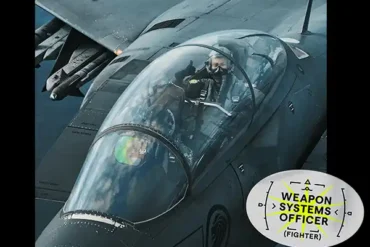
A CSO serves as the mission commander, orchestrating the seamless integration of electronic warfare systems, weapon controls, and navigation data. This coordination ensures precision strikes and enhanced situational awareness during combat. In aircraft such as the F-15E Strike Eagle, the CSO occupies the rear cockpit, handling the radar, laser-guided munitions, and electronic countermeasures while supporting the pilot with real-time tactical information.
Battlefield Intelligence and Coordination
CSOs play a crucial role in real-time battlefield surveillance and target acquisition. Their responsibilities include:
- Monitoring enemy movements through advanced sensors and reconnaissance data
- Identifying and designating high-value targets
- Coordinating firepower support for ground forces and special operations units
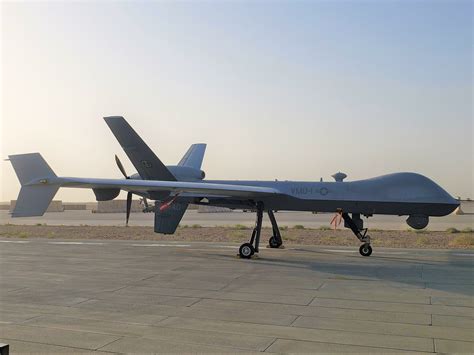
In remotely piloted aircraft (RPA) missions, such as those involving the MQ-9 Reaper, CSOs are instrumental in remote targeting and data-link management.
Training and Leadership
A CSO is not only a tactical expert but also a leader and instructor. Their duties include:
- Training other crew members in system operations and mission protocols
- Leading pre-flight and post-mission briefings
- Developing tactical strategies for combat scenarios
These responsibilities require critical thinking, adaptability, and strong communication skills, ensuring seamless coordination within the flight crew and broader mission teams.
Skills and Qualifications Required for CSOs
Technical Expertise and Academic Background
Candidates for the CSO role must demonstrate proficiency in:
- Avionics and electronic warfare systems
- Weapons system operations and targeting technology
- Navigation and spatial orientation
- Computer science and aerospace engineering principles
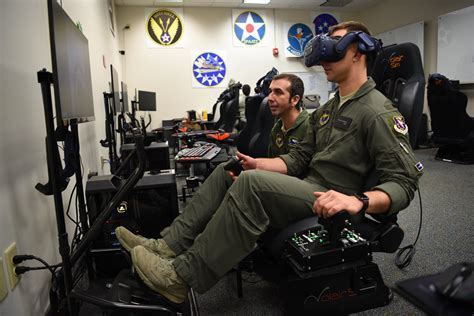
To assess cognitive and multitasking abilities, the USAF employs the Test of Basic Aviation Skills (TBAS), which evaluates spatial awareness and decision-making.
Selection and Screening Process
Aspiring CSOs must successfully complete:
- Comprehensive Medical Evaluation – Meeting the stringent physical and mental requirements for aircrew duties
- Air Force Officer Qualifying Test (AFOQT) – Assessing mathematical, verbal, and aviation-related competencies
- Pilot Candidate Selection Method (PCSM) – Incorporating previous flight experience and aptitude tests
To promote diversity, the USAF has revised its selection criteria, setting the maximum pre-entry flight experience at 60 hours to encourage applicants from various backgrounds.
CSO Training Path and Aircraft Specialization
CSO Training Phases
After commissioning, candidates undergo a structured training program:
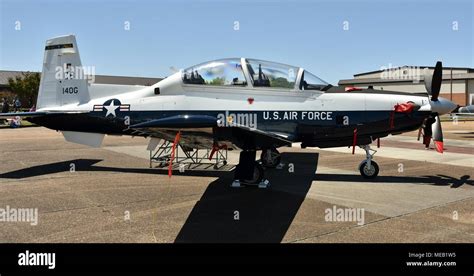
- Initial Flight Training (IFT) – Conducted in T-6A Texan II aircraft to develop fundamental flight skills
- Undergraduate CSO Training (UCT) – Advanced instruction in mission management, navigation, and combat operations
- Advanced Training in Specialized Aircraft – Assignments to specific platforms based on operational needs
Aircraft Assignments
CSOs operate across various multi-crew combat aircraft, including:
- F-15E Strike Eagle – Rear-seat operations for tactical coordination
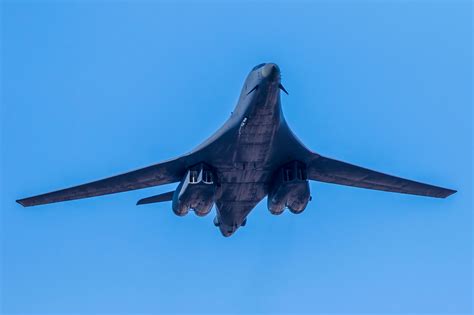
- B-1B Lancer & B-52 Stratofortress – Long-range strategic bombing missions
- RC-135 Rivet Joint – Signals intelligence and reconnaissance operations
- MQ-9 Reaper – Unmanned aerial system control and weapons deployment
Their role varies depending on the aircraft type, with some CSOs specializing in electronic warfare, while others focus on strategic targeting and reconnaissance.
Career Development and Comparisons with Other Roles
Differences Between CSOs and Naval Flight Officers (NFOs)
The United States Navy employs a similar role known as the Naval Flight Officer (NFO). While both CSOs and NFOs oversee weapons systems, navigation, and electronic warfare, there are key distinctions:
- CSOs specialize in fixed-wing aircraft operations over land
- NFOs are trained for carrier-based missions and naval strike coordination
- Training pipelines and operational roles differ, with NFOs assigned to carrier air wings such as the F/A-18F Super Hornet
Promotion and Career Progression
CSOs have multiple career advancement opportunities, including:
- Senior Combat Mission Leader – Leading multi-aircraft strike packages
- Electronic Warfare Specialist – Developing advanced countermeasure strategies
- Unmanned Aerial Vehicle (UAV) Operations – Expanding into drone warfare and surveillance
- Joint Tactical Planning Roles – Working in multinational defense collaborations
With the rise of autonomous systems and electronic warfare, the CSO’s role will continue evolving, making them a crucial component of future air combat strategies.
Conclusion
The Combat Systems Officer is an indispensable force multiplier in modern air warfare, ensuring tactical superiority and mission effectiveness. Their blend of technical expertise, battlefield coordination, and leadership makes them a cornerstone of USAF operations. As aerial combat technology advances, CSOs will continue to be at the forefront of electronic warfare, drone operations, and strategic mission planning.
Frequently Asked Questions (FAQ)
What is the difference between a CSO and a pilot?
A Combat Systems Officer specializes in mission management, electronic warfare, and weapons systems operation, whereas a pilot physically controls the aircraft. The two roles work closely to execute precision combat missions.
What aircraft do CSOs typically operate?
CSOs are assigned to a variety of aircraft, including F-15E Strike Eagles, B-52 Stratofortresses, B-1B Lancers, RC-135 reconnaissance planes, and MQ-9 Reaper drones. Their role varies depending on the mission requirements of each aircraft.
What are the career prospects for a CSO in the USAF?
CSOs can advance to senior mission command roles, electronic warfare specialization, or unmanned aerial operations. Many transition to roles in tactical planning, joint military operations, or aerospace defense strategy as they gain experience.