An aircraft design engineer plays a pivotal role in the development of aviation technology, transforming visionary aeronautical concepts into fully functional aircraft. This profession requires more than technical knowledge — it demands precision, creativity, and interdisciplinary collaboration. As the aviation industry advances, these engineers remain central to the implementation of cutting-edge materials, sustainable design principles, and regulatory compliance across all phases of aircraft development.
What Does an Aircraft Design Engineer Do?
The daily functions of an aircraft design engineer revolve around designing, evaluating, and optimizing aircraft components. Their work integrates structural, mechanical, and environmental considerations, ensuring every design is both functional and airworthy. These engineers do not simply draw concepts — they validate each component through simulations, testing, and collaborative engineering feedback.
From the cockpit layout to the landing gear mechanisms, every part of the aircraft benefits from their contribution. Whether working on military jets, commercial airliners, or experimental UAVs, the engineer’s responsibilities often include:
- Conducting structural analysis for fuselage and wings.
- Modeling aerodynamic profiles in CAD software.
- Coordinating with environmental engineers to meet emission standards.
- Simulating mechanical stresses for extreme flight conditions.
- Testing prototypes through wind tunnel or digital simulation platforms.
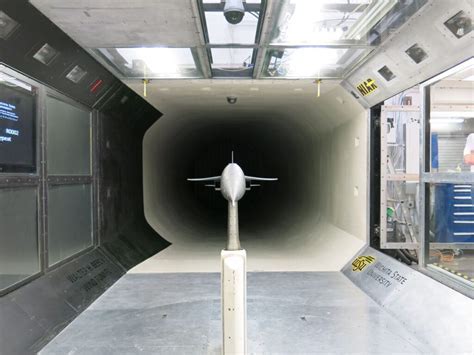
Each project demands deep collaboration with electrical, aerospace, and safety engineers, emphasizing the importance of interdisciplinary teamwork.
Key Skills Required for Aircraft Design Engineers
Being an aircraft design engineer involves more than engineering know-how. It requires a dynamic blend of technical acumen, software proficiency, and problem-solving ability. Employers often prioritize candidates with hands-on familiarity in:
- CATIA, SolidWorks, AutoCAD, and ANSYS for 3D modeling and FEA.
- Data interpretation using MATLAB or Python for simulation analysis.
- Creative problem-solving and critical thinking under deadline constraints.
- Deep understanding of materials science, especially composites and alloys.
- Familiarity with FAA regulations and international safety standards.
Additionally, soft skills are indispensable. Engineers are expected to demonstrate:
- Effective team collaboration in cross-functional environments.
- Clear technical documentation and reporting.
- Adept project management and adherence to budget constraints.
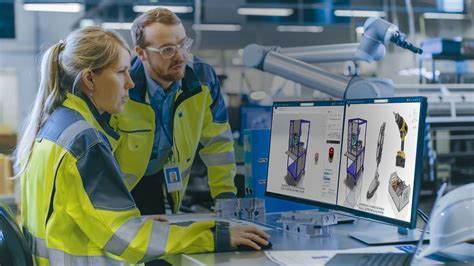
Candidates with a passion for continuous improvement and a knack for detail often rise to senior roles or pivot into aviation consultancy, R&D leadership, or system architecture roles.
Educational Pathway and Qualifications
To qualify as an aircraft design engineer, candidates typically need at least a Bachelor’s degree in Aerospace Engineering. More competitive positions — especially those in advanced R&D or with defense contractors — often demand a Master’s degree.
Relevant coursework includes:
- Aerodynamics
- Advanced Calculus and Differential Equations
- Thermodynamics and Heat Transfer
- Finite Element Analysis
- Control Systems Engineering
Aspiring engineers should also seek out programs that offer CNC training, internships at aviation firms, and research projects involving UAVs or sustainable aviation fuels.
Professional development continues after graduation. Obtaining certifications like PE (Professional Engineer), and affiliations with organizations such as AIAA (American Institute of Aeronautics and Astronautics) or RAeS (Royal Aeronautical Society) can significantly boost career progression.
Where Do Aircraft Design Engineers Work?
Aircraft design engineers are employed across a variety of aviation and aerospace sectors, including:
- Commercial aircraft manufacturers (e.g., Boeing, Airbus)
- Defense contractors (e.g., Lockheed Martin, Northrop Grumman)
- Private jet manufacturers (e.g., Bombardier, Dassault Aviation)
- Airlines and MRO providers
- Government agencies (e.g., NASA, FAA)
- Startups in electric aviation and drone design
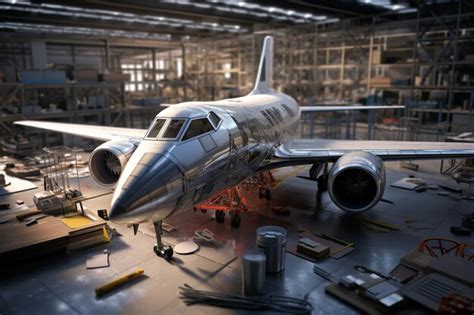
Global demand for aircraft design engineers is expected to grow as sustainable aviation becomes a strategic priority. Engineers involved in hybrid-electric aircraft, noise reduction systems, and carbon emission minimization will be at the forefront of aviation’s green future.
Salaries and Market Trends
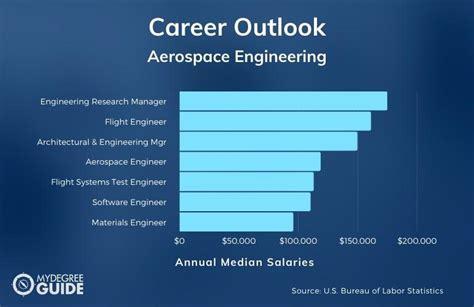
The compensation for aircraft design engineers varies based on location, seniority, and specialization. According to U.S. labor statistics and hiring platforms:
- Entry-level engineers earn an average of $76,000/year.
- Mid-career engineers make between $95,000 and $110,000/year.
- Senior engineers or team leads earn upwards of $130,000/year.
ZipRecruiter data suggests a 2025 forecast salary of $130,000/year for top-tier engineers. European salaries follow similar trends:
- Junior engineers earn around €45,000 annually.
- Engineers with 3–7 years’ experience can command €53,000–€69,000/year.
- Senior engineers with over 10 years’ experience often exceed €80,000/year.
These figures reflect not only base pay but also include overtime, bonuses, and stock options at private aerospace firms.
Sustainability and Innovation in Design
Modern aircraft design engineers are at the helm of environmentally responsible aviation. Regulations by bodies like ICAO and the FAA push manufacturers to reduce emissions and noise levels. As such, engineers are tasked with:
- Reducing NOx, CO, and particulate emissions.
- Integrating lightweight composite materials.
- Developing electric propulsion systems.
- Implementing aerodynamic modifications for fuel efficiency.
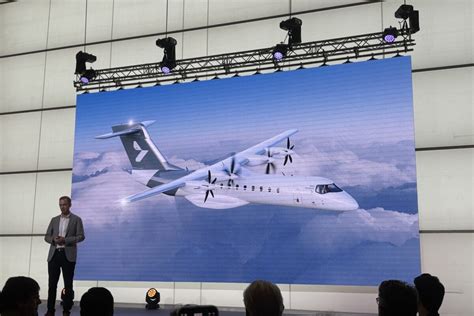
This paradigm shift from conventional jet engines to hybrid-electric or hydrogen-based propulsion represents a monumental opportunity for engineers to lead innovation. Aircraft design is no longer purely about lift and drag — it’s about ecological balance, material lifecycle, and global sustainability goals.
Challenges and Future Prospects
Despite the promising landscape, aircraft design engineers face numerous challenges. Meeting stringent regulatory certifications, ensuring production scalability, and maintaining component interoperability in highly customized aircraft remain nontrivial tasks.
However, emerging fields such as urban air mobility, supersonic travel, and space tourism continue to expand the profession’s frontier. Engineers with hybrid experience in AI integration, real-time simulation, and autonomous system design are likely to become industry leaders.
Moreover, global events — such as climate policies, international airspace agreements, and supply chain disruptions — add layers of complexity to the engineer’s decision-making matrix.
Conclusion: Why Aircraft Design Engineers Are Indispensable
In the vast ecosystem of aviation, aircraft design engineers stand as foundational pillars of innovation and safety. Their meticulous approach, combined with an unwavering commitment to excellence, ensures every aircraft launched into the skies embodies efficiency, reliability, and forward-thinking design.
As the industry enters an era of automation and green propulsion, these engineers are no longer just builders — they are architects of a sustainable airborne future.