Understanding the Role of an Aircraft Maintenance Engineer
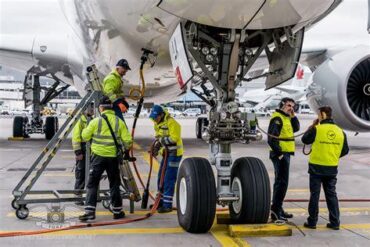
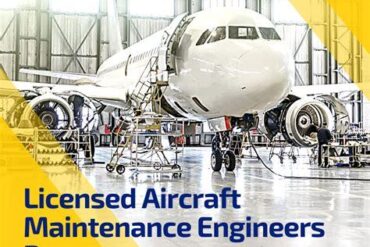
In the intricate web of global aviation, the role of an Aircraft Maintenance Engineer (AME) stands as a cornerstone of flight safety, airworthiness, and operational efficiency. Recognized by the International Civil Aviation Organization (ICAO), this licensed professional carries the immense responsibility of ensuring that every aircraft meets the rigorous mechanical and regulatory standards necessary for flight.
Unlike general aircraft technicians or tradespeople, an AME is licensed to inspect, repair, and certify aircraft, which places them in a position of significant authority and accountability. These certifications allow AMEs not only to perform maintenance but to sign off on an aircraft’s readiness to return to the skies.
Global Licensing and Recognition
The designation of Aircraft Maintenance Engineer is recognized across numerous countries, including Australia, Canada, the United Kingdom, India, New Zealand, Ireland, Bangladesh, and many regions in Asia. Each country adheres to specific licensing frameworks, yet the ICAO has harmonized core standards through its global regulations. Notably, the European Union enforces the EASA Part 66/147 model for AME licensing, which has been adopted in many Asian jurisdictions.
In the United States, the functional equivalent of the AME is referred to as an Aircraft Maintenance Technician (AMT) or more specifically as an A&P (Airframe and Powerplant) certified technician. Despite different titles and governing bodies, the core competencies of these roles remain aligned under international aviation safety protocols.
Types of Licenses and Regulatory Evolution
Until 1998, ICAO distinguished between Type I and Type II AME licenses, corresponding to differing levels of authorization and aircraft categories. However, a strategic shift led to the adoption of a single AME license, streamlining international compliance and mutual recognition.
Further strengthening bilateral cooperation, the 2005 Bilateral Aviation Safety Agreement (BASA) between Canada and the United States allowed cross-border AME and AMT activities under clearly defined scopes. Under this agreement, Canadian AMEs can perform certain maintenance tasks on U.S.-registered aircraft located in Canada, subject to limitations outlined in CFR Part 43.

Responsibilities and Technical Expertise
The breadth of an AME’s duties spans both routine and complex tasks. At its core, the role revolves around ensuring that every aircraft under their care is compliant with:
-
Airworthiness Directives (ADs)
-
Manufacturer’s maintenance manuals
-
National and international aviation regulations
These tasks include:
-
Conducting scheduled inspections
-
Diagnosing mechanical or electrical issues
-
Replacing or repairing components
-
Certifying the aircraft’s readiness for flight
AMEs must also maintain precise documentation, logbooks, and service records, all of which are audited during safety checks and regulatory reviews.
Specialization and Ratings
AME licenses are categorized by ratings that denote specific qualifications. For example:
-
M1/M2 (Canada): Light and large aircraft, respectively
-
Category A/B1/B2 (EASA): Line maintenance, mechanical, and avionics systems
This structured categorization ensures that only qualified engineers handle particular systems or aircraft classes, maintaining a high standard of technical specialization.
Education and Certification Pathways
Becoming an AME demands a structured blend of academic training and hands-on experience. Prospective engineers typically follow these steps:
-
Enroll in a certified AME training program under national aviation authorities (e.g., Transport Canada, DGCA India, EASA, or CAA NZ).
-
Complete theoretical coursework in aerodynamics, propulsion systems, electronics, and maintenance law.
-
Undertake practical training with approved maintenance repair organizations (MROs).
-
Accumulate required experience hours (often between 18–36 months, depending on jurisdiction).
-
Pass rigorous written and practical examinations.
In many countries, the final license is issued only after satisfying all regulatory and experience requirements, reaffirming the critical nature of the role.
AME vs AMT: A Cross-Continental Comparison
Though similar in scope, AMEs and AMTs differ in terminology, regulatory oversight, and geographic prevalence. The following distinctions are particularly important:
-
AME (Aircraft Maintenance Engineer): Common in Canada, India, UK, Australia, and many Commonwealth nations.
-
AMT (Aircraft Maintenance Technician): Used in the United States, governed by the Federal Aviation Administration (FAA).
Both are highly trained, but an AME’s authority to certify aircraft airworthiness can differ based on the local licensing authority and bilateral agreements.

Challenges and Evolution of the Profession
As aircraft become increasingly technologically advanced, the AME role is evolving to include digital diagnostics, composite materials expertise, and electronic system calibration. Engineers are now required to possess advanced IT literacy to interface with onboard diagnostics and predictive maintenance systems.
Moreover, the industry faces a shortage of qualified AMEs, driven by a surge in air travel demand and retirements in the current workforce. According to ICAO projections, the global aviation sector will require hundreds of thousands of new maintenance engineers in the coming decades.
Regulatory Oversight and Safety Impact
AMEs operate under the close supervision of civil aviation authorities, such as:
-
Transport Canada
-
Civil Aviation Safety Authority (CASA) in Australia
-
Directorate General of Civil Aviation (DGCA) in India
-
European Union Aviation Safety Agency (EASA)
Their adherence to airworthiness standards plays a direct role in reducing in-flight failures, unscheduled maintenance, and catastrophic system malfunctions. Simply put, an aircraft’s safety is only as strong as its last AME inspection.
The Future Outlook for AMEs
With the integration of unmanned aerial vehicles (UAVs), urban air mobility (UAM) platforms, and electric propulsion aircraft, AMEs will be at the center of the next evolution in aviation. Licensing bodies are already updating curricula and certification processes to reflect the skills needed for the next generation of aircraft.

Conclusion
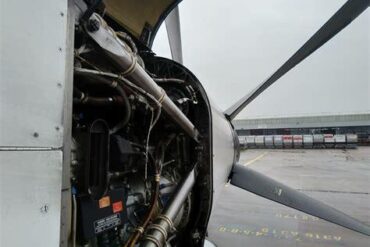
The Aircraft Maintenance Engineer is far more than a mechanic; they are a licensed guardian of aviation safety, a technical expert, and a pivotal figure in the life cycle of every aircraft. From small regional turboprops to wide-body intercontinental jets, the AME ensures that every aircraft that lifts into the sky does so with precision, compliance, and safety at its core.
Frequently Asked Questions (FAQ)
What is the difference between an AME and an AMT?
An AME (Aircraft Maintenance Engineer) is the licensed designation used in countries like Canada, India, and Australia, whereas AMT (Aircraft Maintenance Technician) is the American equivalent, typically certified under the FAA’s A&P license. Both perform similar tasks, but licensing authority and terminology differ by region.
Can an AME work internationally?
Yes, many countries recognize the ICAO-compliant AME license or have bilateral agreements (like the BASA between Canada and the U.S.) allowing certified AMEs to perform maintenance on foreign-registered aircraft within specific guidelines.
How long does it take to become an AME?
Depending on the country, it typically takes 2 to 4 years, including formal education, practical training, and licensing examinations. Some jurisdictions also require ongoing education to maintain active status.