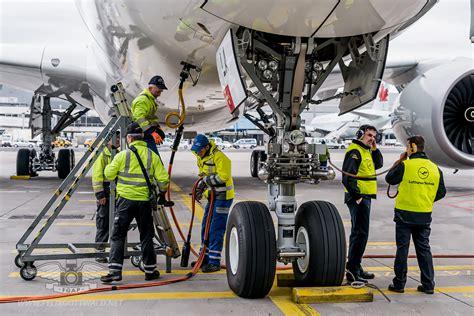
In the intricate and demanding world of aviation operations, aircraft line maintenance serves as the backbone of daily airworthiness. As aircraft traverse continents and time zones, the responsibility of ensuring immediate safety, mechanical performance, and legal compliance falls on highly trained professionals executing precise tasks in real-time environments. Without this vital tier of maintenance, modern aviation would falter under the weight of its own complexity.
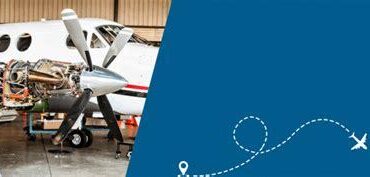
Unlike base maintenance, which involves extensive overhauls in specialized hangars, line maintenance is carried out on the tarmac or at dedicated line stations where aircraft are actively cycling between flights. It is this immediacy and operational proximity that define its character.
Defining Aircraft Line Maintenance
Aircraft line maintenance encompasses all immediate, short-interval maintenance activities conducted on aircraft in between scheduled flights. This involves a wide spectrum of responsibilities, from visual inspections and fluid top-offs to tire changes, lamp replacements, and troubleshooting avionics anomalies. These tasks are essential in ensuring an aircraft remains airworthy, compliant with regulatory standards, and ready to depart on schedule.
While often conducted under strict time constraints, especially during quick turnarounds, line maintenance is never rushed. Safety and procedural rigor guide every movement, supported by checklists dictated by both the Original Equipment Manufacturer (OEM) and national aviation regulatory authorities such as the FAA and EASA.
The defining characteristics of line maintenance include:
- Minimal aircraft downtime
- On-ramp execution
- Quick inspections and resolutions
- Immediate airworthiness assurance
Operational Environment and Timing
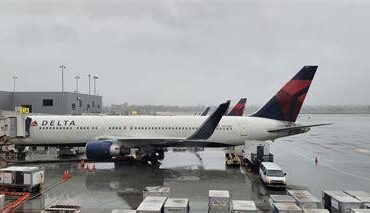
Line stations are hubs where aircraft touch down, disembark passengers, and prepare for their next sector. It is here that maintenance crews operate, often in full view of airport activity. In these dynamic environments, line maintenance tasks must be completed quickly, without compromising safety.
Turnaround time—frequently between 30 and 90 minutes—is the critical window. Within this span, certified line maintenance technicians must:
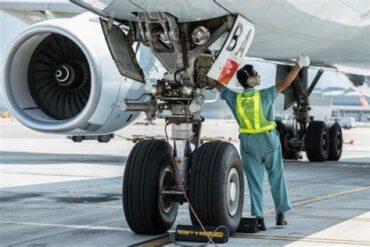
- Conduct routine inspections for fluid leaks, dents, or panel dislodgement
- Check for warning lights or abnormal sensor readings
- Replenish essential fluids (hydraulic, oil, potable water)
- Assess tire pressure and condition
- Perform minor structural or system troubleshooting
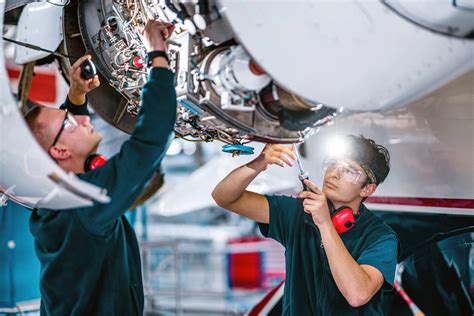
Line maintenance may also occur during overnight layovers or longer ground intervals, allowing for more detailed inspections without the pressure of imminent departure. These time slots are leveraged for scheduled Daily Checks (DI) and Transit Checks (TR), which are mandatory as part of the Maintenance Planning Document (MPD).
Technical Scope and Limitations
While critical to airworthiness, line maintenance is intentionally limited in scope to tasks that can be completed within short timeframes. Anything requiring prolonged grounding, extensive component disassembly, or advanced system testing falls under base maintenance protocols.
Tasks typically included under line maintenance:
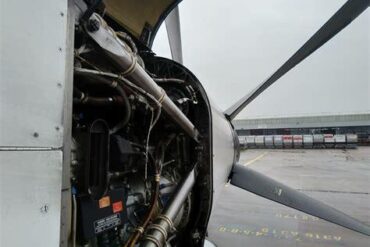
- Visual inspections for damage, leaks, and irregularities
- Lube servicing and fluid replenishment
- Operational and functional checks
- System resets and fault isolation
- Component replacement (lights, filters, fuses)
- Tire and brake servicing
In contrast, activities such as deep structural inspection, complete engine removal, or avionics retrofit are exclusively base-level operations.
Personnel and Certification
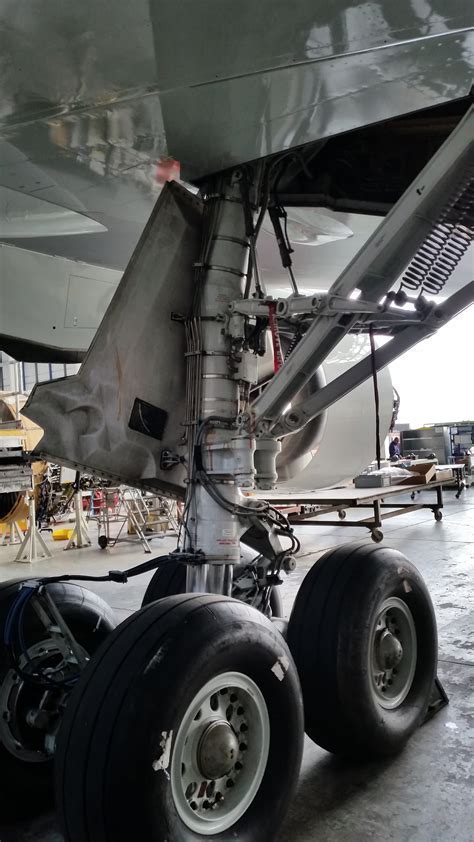
Aircraft line maintenance must be executed by licensed professionals. Depending on the regulatory jurisdiction, these technicians may hold certifications such as:
- EASA Part-66 B1/B2 Licenses (Europe)
- FAA A&P Certificates (United States)
These certifications authorize technicians to release aircraft for service after specific checks. In most operations, Certifying Staff or Release-to-Service Engineers are designated to sign off on completed maintenance actions, ensuring accountability and traceability.
The workforce is highly structured, typically organized in shifts, ensuring 24/7 coverage at major commercial hubs. Additionally, constant training and recurrent certification keep skills sharp amid evolving technologies and regulations.
Technology in Line Maintenance
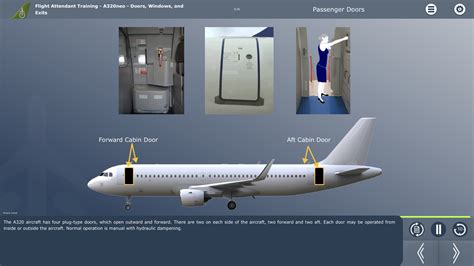
As aviation technology advances, line maintenance has evolved from manual inspection toward digital diagnostics and predictive maintenance. Modern aircraft like the Boeing 787 and Airbus A350 are equipped with onboard health-monitoring systems that communicate fault data in real-time to ground crews, enabling pre-arrival troubleshooting.
Key technologies reshaping line maintenance include:
- ACARS and wireless fault reporting systems
- Maintenance laptops with OEM-specific diagnostic software
- Digital logbooks and real-time documentation platforms
- Augmented Reality (AR) tools for enhanced visualization
These innovations allow teams to proactively address faults, reducing Aircraft on Ground (AOG) events and improving operational reliability.
Regulatory Oversight and Documentation
Every line maintenance task must be meticulously documented in compliance with aviation authority requirements. Maintenance logs, digital signatures, and fault histories are integral to tracking an aircraft’s airworthiness status.
Authorities such as EASA, FAA, and Transport Canada mandate:
- Accurate logging of all inspections and repairs
- Use of approved procedures and checklists
- Certification by qualified personnel
Failure to comply can result in severe regulatory action, including aircraft grounding or license revocation. Hence, Maintenance Control Centers (MCCs) closely monitor activities, audit compliance, and coordinate with operations teams.
Comparing Line Maintenance and Base Maintenance
While both fall under the umbrella of MRO (Maintenance, Repair, Overhaul) services, the difference between line and base maintenance is profound in function, scope, and infrastructure.
| Parameter | Line Maintenance | Base Maintenance |
|---|---|---|
| Location | Airport tarmac or line station | Hangar or dedicated MRO facility |
| Timeframe | 30–90 minutes (transit/overnight) | Several hours to weeks |
| Task Complexity | Routine, minor repairs | Extensive checks and overhauls |
| Personnel | Licensed technicians | Engineers, specialists, structural teams |
| Tools Used | Portable, ramp-grade tools | Heavy-duty, specialized equipment |
Both tiers are indispensable, but line maintenance ensures continuity, while base maintenance ensures longevity. Airlines structure their maintenance programs to balance both in accordance with fleet utilization, airframe age, and regulatory intervals.
Why Aircraft Line Maintenance Is Critical to Aviation Safety
In aviation, delays are costly, but safety is non-negotiable. Line maintenance plays a pivotal role in mitigating risk before it escalates into incidents. A loose fastener, a leaking strut, or an under-inflated tire—all minor on their own—can snowball into catastrophe if not addressed promptly.
Aircraft reliability and on-time performance (OTP) hinge on the efficiency of line maintenance. With rising passenger volumes and expanding fleets, airlines increasingly invest in:
- On-site line maintenance providers
- Integrated maintenance contracts (IMCs)
- Predictive analytics to preempt failures
The future of air travel depends not just on newer aircraft, but on the consistency and competence of those who service them every day, often under pressure and extreme conditions.
FAQs
What is the main difference between line and base maintenance?
Line maintenance involves short, immediate tasks done while the aircraft is on the ground for a short period—typically between flights. Base maintenance, on the other hand, includes extensive checks and overhauls that require long downtimes in a hangar setting.
Who is qualified to perform aircraft line maintenance?
Only certified technicians with valid credentials (such as an EASA Part-66 or FAA A&P certificate) are authorized to perform and sign off on line maintenance tasks. These professionals undergo rigorous training and recurrent certification.
How often is line maintenance carried out?
Line maintenance is performed before every flight, during transit checks, and often overnight. Frequency is dictated by flight schedules, regulatory requirements, and aircraft condition.