Understanding the Role of a Maintenance Engineer
The modern infrastructure of commercial, industrial, and institutional buildings relies heavily on operational efficiency and system reliability. At the heart of this system lie maintenance engineers, professionals tasked with preserving and improving the mechanical integrity of a facility. From hospitals and universities to manufacturing plants and government complexes, maintenance engineers serve as the silent force behind uninterrupted functionality.
Maintenance engineers are not merely mechanics—they are technical analysts, systems managers, and safety guardians. They work with an array of machines, including boilers, HVAC systems, electrical panels, hydraulic machines, and even aviation and medical equipment. Their mission is straightforward but crucial: ensure equipment runs safely, efficiently, and without interruption.
Daily Responsibilities in the Field
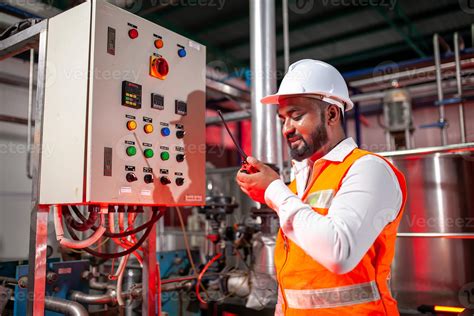
The scope of duties for a maintenance engineer extends beyond mere equipment repair. They are deeply involved in strategic asset management and long-term system optimization. Typical responsibilities include:
-
Conducting routine inspections to prevent system failures
-
Diagnosing faults and performing corrective maintenance
-
Installing and integrating new machinery
-
Replacing obsolete systems
-
Managing supply procurement and inventory
-
Developing detailed maintenance procedures
-
Overseeing safety compliance protocols
-
Compiling performance and expenditure reports for stakeholders
Their impact is particularly visible in mission-critical settings such as hospitals, where even minor downtime can endanger lives, or in food production facilities, where compliance and hygiene standards are uncompromising.
1. Obtain a High School Diploma or GED
Entry into the maintenance engineering profession begins with foundational education. A high school diploma or GED is typically the minimum requirement, and coursework in physics, chemistry, algebra, geometry, and technical drawing provides an essential baseline. Students who pursue STEM-related electives are better positioned for future academic and vocational training.
2. Pursue a Relevant Bachelor’s Degree
Although some enter the field through trade experience, holding a bachelor’s degree significantly enhances employability. Degrees in mechanical engineering, electrical engineering, or facilities management equip aspiring engineers with the theoretical and technical expertise needed for complex roles. Those without degrees may begin as maintenance technicians, gradually advancing via on-the-job training.
3. Secure an Internship or Apprenticeship
A hands-on apprenticeship or internship is invaluable. Whether arranged through a college program or independently, it offers exposure to real-world systems and methodologies. Internships at large-scale facilities or equipment manufacturers often serve as launchpads into permanent employment.

4. Apply for Entry-Level Positions
Upon completing academic or vocational training, candidates should apply for junior or assistant maintenance engineer roles. Entry-level positions allow individuals to learn under seasoned engineers, mastering the intricacies of preventive maintenance, diagnostics, and safety compliance.
5. Obtain Required Licenses
Depending on the jurisdiction and specialization, engineers may need a Professional Engineer (PE) license or other certifications. Certain environments—such as hospitals, where engineers may handle high-risk medical systems—require equipment-specific credentials. Licensure requirements vary by state and should be verified individually.
6. Continue Professional Education
To remain competitive, ongoing education is essential. Maintenance engineers often pursue certifications from reputable institutions:
-
Certified Maintenance and Reliability Professional (CMRP) – SMRP
-
Certified Facility Manager (CFM) – IFMA
-
Certified Manager of Maintenance (CMM) – NCHM
-
IMI Certification – International Maintenance Institute
Additionally, training in electrical systems, HVAC, plumbing, or BMS (Building Management Systems) enhances versatility.
Advanced Skills and Technical Aptitude
Becoming a maintenance engineer is not solely about academic knowledge. Engineers must possess a robust skillset combining both technical proficiency and critical thinking abilities. These include:
-
Blueprint Literacy: Understanding technical diagrams, P&ID schematics, and layout drawings
-
Analytical Thinking: Identifying failure points and implementing effective solutions
-
Mechanical Insight: Deep familiarity with motors, pumps, valves, control circuits, PLCs, and more
-
Digital Competency: Usage of CMMS (Computerized Maintenance Management Systems) and diagnostic tools
-
Communication: Articulating findings and solutions to team members and non-technical personnel
-
Safety Awareness: Mastery of OSHA standards and risk mitigation techniques

Where Maintenance Engineers Work
The career offers a diverse selection of environments. Maintenance engineers may find roles in:
-
Healthcare Facilities – maintaining critical systems in hospitals and clinics
-
Industrial Plants – ensuring uptime of production lines
-
Educational Institutions – overseeing mechanical and electrical infrastructure
-
Government Complexes – providing building services in civic facilities
-
Construction Projects – supporting ongoing builds with technical oversight
-
Aviation & Aerospace – maintaining airport infrastructure and safety systems
This diversity makes maintenance engineering one of the most flexible and durable career choices in the modern job market.
Compensation and Career Outlook
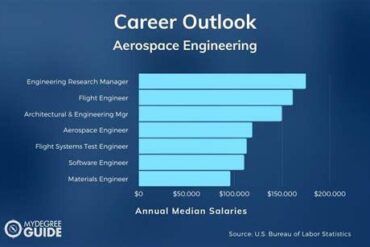
While salaries vary based on geography, specialization, and experience, the average base rate for maintenance engineers in the U.S. is approximately $14.93 per hour, with seasoned professionals earning considerably more. Overtime, on-call availability, and hazardous duty pay often supplement base wages.
According to labor statistics, employment in this sector is projected to grow by 4% through 2029, driven by the need to retrofit aging infrastructure and comply with newer safety codes. Urban centers and manufacturing hubs will see the highest demand.
Challenges and Physical Demands
This is a physically demanding career. Maintenance engineers frequently:
-
Work in confined or elevated spaces
-
Spend extended hours standing or kneeling
-
Lift heavy equipment or components
-
Operate under tight deadlines and in emergency repair conditions
Despite the demands, many engineers find satisfaction in solving complex problems and seeing their work directly contribute to operational continuity.
Future-Proofing Through Digital Integration
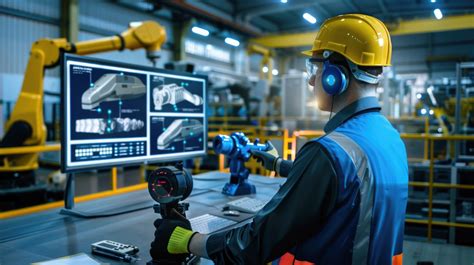
The modern maintenance engineer is expected to blend traditional mechanical knowledge with digital fluency. Tools such as AI-powered monitoring systems, digital twins, IoT-connected sensors, and predictive analytics are becoming standard.
This digital shift not only streamlines maintenance cycles but also allows engineers to predict system failures before they occur, improving asset longevity and reducing costs. Those who embrace smart building technologies and automated control systems will command premium roles in the years to come.
FAQs About Becoming a Maintenance Engineer
What qualifications do I need to become a maintenance engineer?
While you can begin with a high school diploma and vocational training, the most competitive candidates typically hold a bachelor’s degree in engineering and relevant certifications. Apprenticeships and internships are highly valuable in gaining practical experience.
What industries hire maintenance engineers?
Healthcare, manufacturing, aviation, education, real estate, and public infrastructure are major employers. Any organization reliant on mechanical systems and safety protocols is a potential employer for maintenance engineers.
How do maintenance engineers differ from maintenance technicians?
Maintenance engineers typically engage in strategic planning, system design, diagnostics, and compliance management, whereas technicians focus on routine maintenance and hands-on repairs. Engineers often have broader decision-making authority and higher educational qualifications.