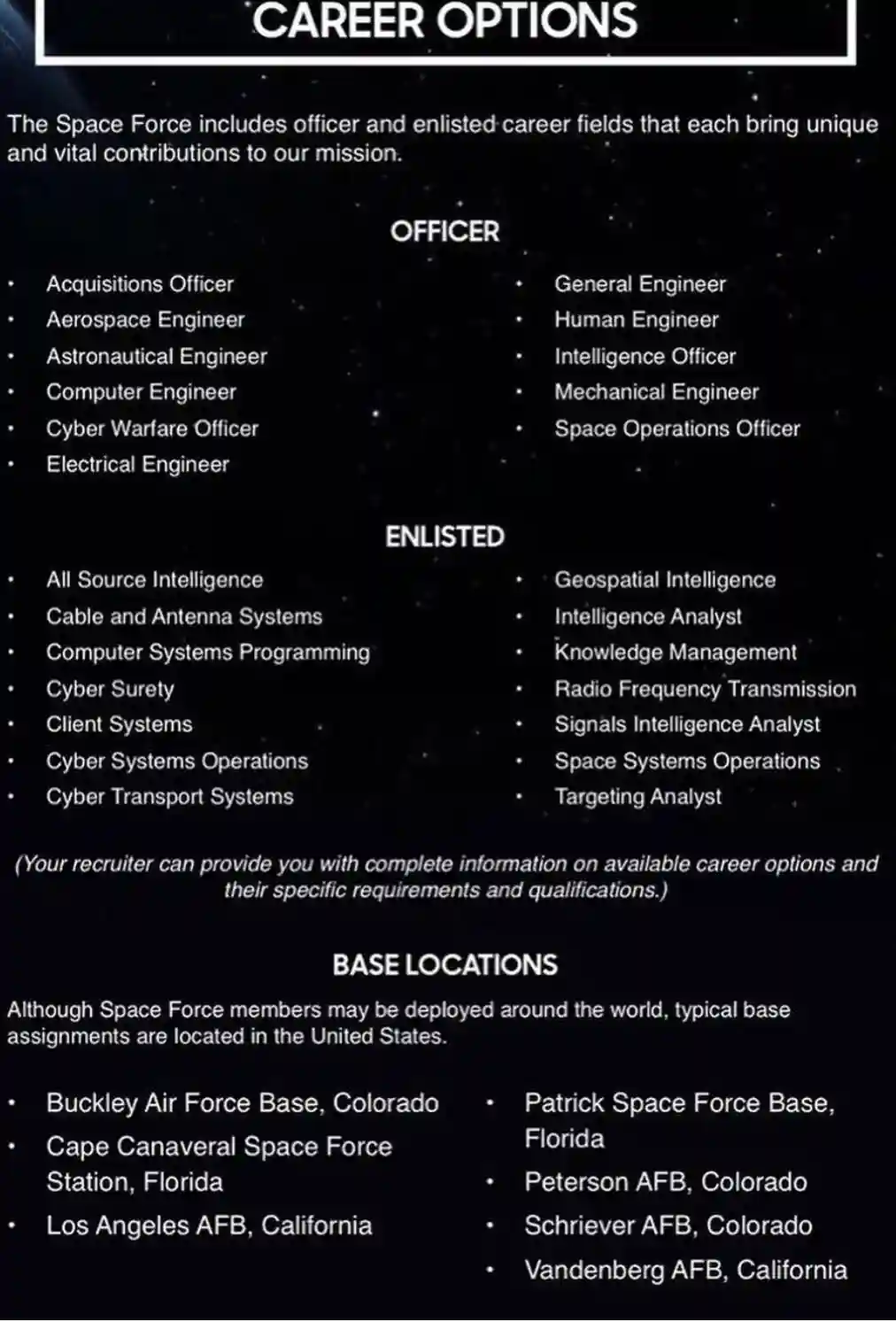
The emergence of the United States Space Force has fundamentally reshaped how we think about military careers, technological dominance, and the future of national defense. As space transitions from a domain of exploration into a contested operational environment, we find ourselves at the forefront of a new professional frontier—one that blends advanced engineering, intelligence, cyber operations, and human-centered design into a single, highly specialized force.
We explore the diverse and evolving career landscape within the Space Force, breaking down the most critical roles, the skills they demand, and the strategic importance they hold. This is not merely a list of jobs—it is a roadmap into one of the most intellectually demanding and technologically advanced career ecosystems in the modern world.
Understanding the Structure of Space Force Careers
The Space Force operates differently from traditional military branches. Rather than focusing on land, sea, or air, its entire mission revolves around space superiority—ensuring that satellites, communications, navigation systems, and orbital assets remain secure and operational.
Careers within the Space Force are typically grouped into several core domains:
- Space Operations
- Cyber and Communications
- Intelligence and Analysis
- Engineering and Development
- Acquisition and Program Management
Each of these domains supports the broader mission of maintaining dominance in space-based infrastructure and defense systems. Unlike conventional military roles, many Space Force careers demand a strong technical background, analytical thinking, and adaptability to rapidly evolving technologies.
Space Operations: The Backbone of Orbital Defense
At the heart of the Space Force lies Space Operations. These professionals are responsible for monitoring, managing, and defending satellites and space systems.
Space Operations specialists oversee:
- Satellite command and control
- Orbital tracking and collision avoidance
- Missile warning systems
- Space surveillance networks
Their work ensures that GPS systems function accurately, communications remain uninterrupted, and early warning systems detect potential threats. These roles require precision, situational awareness, and the ability to interpret complex data in real time.
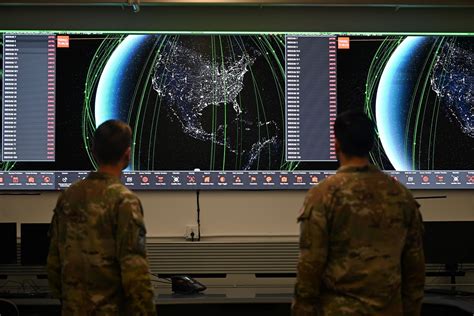
The operational environment is often compared to air traffic control—but on a planetary scale, with significantly higher stakes. A single miscalculation can disrupt global communications or compromise national security.
Cyber Operations: Defending the Digital Frontier in Space
Space systems are only as strong as their cybersecurity. This is where Cyber Operations specialists play a vital role.
These professionals protect:
- Satellite communication links
- Ground control systems
- Military networks connected to space assets
Cyber roles in the Space Force extend beyond traditional IT security. They involve offensive and defensive cyber strategies, threat detection, and resilience planning against sophisticated adversaries.
We recognize that the battlefield is no longer physical alone—it exists in code, algorithms, and network vulnerabilities. Cyber professionals must anticipate attacks before they happen and neutralize them without disrupting mission-critical systems.
Intelligence and Fusion Analysts: Making Sense of the Unknown
One of the most discussed roles—often referred to with varying titles such as Fusion Analyst, Intelligence Analyst, or Network Intelligence Analyst—is central to decision-making in the Space Force.
Despite the inconsistent naming conventions, the function remains clear: these analysts synthesize vast streams of data into actionable intelligence.
Their responsibilities include:
- Monitoring adversary space capabilities
- Interpreting satellite imagery and signals intelligence
- Identifying emerging threats in orbit
- Supporting strategic planning and mission execution
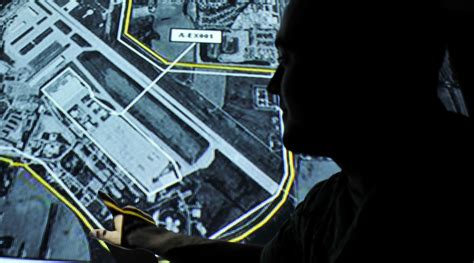
The complexity of this role cannot be overstated. Analysts often deal with incomplete or ambiguous information, requiring them to draw conclusions under uncertainty. Their insights directly influence national defense strategies and operational decisions.
Human Factors Engineering: Designing for the Human in Space Systems
The term “Human Engineer” often raises eyebrows, yet it represents one of the most critical disciplines in modern system design: Human Factors Engineering.
This field focuses on optimizing how humans interact with complex systems. In the context of the Space Force, this means designing interfaces, controls, and environments that enhance performance and reduce error.
Human Factors Engineers work on:
- Control panel layouts and usability
- Ergonomic design of workstations
- Cognitive load management in high-stress environments
- Decision-support systems
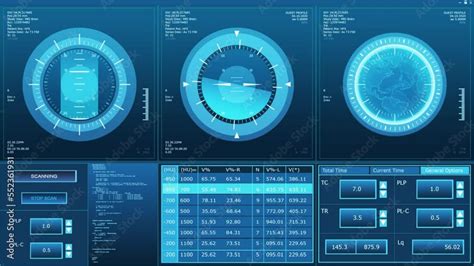
A simple example illustrates the importance: placing critical controls within immediate reach or ensuring that warning signals are intuitive can prevent catastrophic mistakes. In high-stakes environments, design is not aesthetic—it is operational survival.
Engineering Roles: Building the Future of Space Technology
Engineering careers in the Space Force are as diverse as they are demanding. These professionals design, test, and maintain the systems that enable space operations.
Key engineering fields include:
- Aerospace Engineering
- Systems Engineering
- Electrical and Electronics Engineering
- Software Engineering
Engineers are responsible for developing satellites, propulsion systems, communication technologies, and defensive capabilities. Their work ensures that space assets remain reliable, efficient, and resilient under extreme conditions.
We see engineering not just as a support function, but as a strategic advantage. Innovation in this domain directly translates into operational superiority.
Acquisition and Program Management: Turning Vision into Reality
Behind every advanced system lies a complex process of acquisition and development. Program managers and acquisition specialists ensure that projects move from concept to deployment efficiently.
Their responsibilities include:
- Budget management and resource allocation
- Contractor coordination
- Timeline development and oversight
- Risk assessment and mitigation
These roles require a blend of technical understanding and strategic thinking. Without effective program management, even the most promising technologies can fail to reach operational readiness.
Communications and Network Operations: Keeping Space Connected
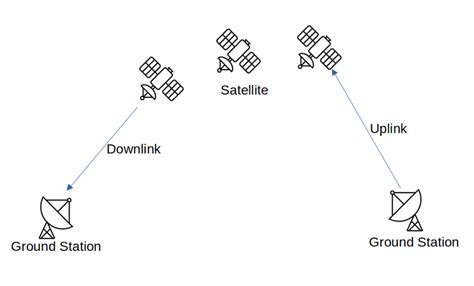
Communication specialists ensure seamless data flow between satellites, ground stations, and operational units. This includes maintaining secure and reliable communication channels under all conditions.
Their work involves:
- Network architecture design
- Signal processing
- Satellite communication systems
- Troubleshooting and system maintenance
In a domain where milliseconds matter, communication professionals must guarantee that information is transmitted accurately and without delay.
Career Flexibility and Evolving Roles
One of the defining characteristics of Space Force careers is their fluidity. Job titles and responsibilities often evolve as technology advances and mission requirements change.
For example, an Intelligence Analyst may transition into a Cyber Threat Intelligence role, while a Systems Engineer might shift toward space-based defense technologies.
This adaptability reflects the dynamic nature of the domain. Professionals are expected to continuously learn, upskill, and adapt to new challenges.
Training and Entry Pathways
Entering the Space Force typically involves one of several pathways:
- Direct enlistment
- Officer commissioning through training programs
- Transfers from other military branches
- Specialized recruitment for technical roles
Candidates often require strong backgrounds in STEM fields, particularly for technical and analytical positions. However, equally important are critical thinking, problem-solving, and the ability to operate under pressure.
Training programs are designed to bridge the gap between academic knowledge and operational application, ensuring that personnel are mission-ready from the outset.
Locations and Assignments: Where Careers Take You
Space Force assignments are concentrated in key strategic locations, including:
- Colorado-based installations focused on space operations
- Coastal launch facilities supporting range operations
- International and joint-command centers
While some locations are highly sought after, availability often depends on role, experience, and operational needs. Flexibility in assignment preferences can significantly impact career progression.
The Strategic Importance of Space Force Careers
Every role within the Space Force contributes to a larger mission: securing the space domain for national and global stability.
We recognize that modern life depends heavily on space-based infrastructure:
- GPS navigation
- Global communications
- Weather forecasting
- Financial systems
Disruptions to these systems can have cascading effects across economies and societies. Space Force professionals stand as the guardians of this invisible yet indispensable network.
Why These Careers Matter More Than Ever
The rapid militarization and commercialization of space have created a competitive and sometimes contested environment. Nations and private entities alike are investing heavily in space capabilities.
This reality elevates the importance of Space Force careers beyond traditional military roles. These positions are not only about defense—they are about shaping the future of humanity’s presence in space.
Conclusion: A Career Path Defined by Innovation and Purpose
A career in the Space Force represents more than a job—it is a commitment to operating at the cutting edge of technology and strategy. From Space Operations specialists safeguarding satellites to Human Factors Engineers optimizing system design, every role plays a critical part in maintaining space superiority.
We see a professional landscape defined by complexity, innovation, and continuous evolution. For those willing to embrace its challenges, the Space Force offers a career path unlike any other—one that extends beyond Earth and into the future itself.