The economics of becoming an airline pilot in the United States have undergone a striking transformation, and nowhere is this shift more visible than in the paychecks of regional airline first officers. What was once a financially precarious entry point into commercial aviation has evolved into a far more sustainable and competitive profession. In 2026, hourly pay rates, bonuses, and total compensation packages tell a story not just of rising wages, but of a labor market reshaped by urgency, scarcity, and opportunity.
For aspiring aviators, the regional airline cockpit is no longer synonymous with financial sacrifice. Instead, it represents a viable and increasingly attractive career stage—one that now reflects the true operational importance of first officers within the broader airline ecosystem.
From Financial Strain to Financial Stability
A decade ago, the financial realities facing newly minted first officers were stark. Many entered the industry burdened with significant training debt, often exceeding $80,000, only to find themselves earning annual salaries that barely covered living expenses. Starting pay in the mid-2010s typically ranged from $25,000 to $40,000, with hourly rates dipping below $30 per flight hour. These figures were not just modest—they were widely viewed as unsustainable.
The consequences of such low pay were profound. Pilots frequently relied on second jobs, family support, or extreme frugality to make ends meet. The disconnect between the responsibility of operating a commercial aircraft and the compensation offered became a growing point of tension within the industry.
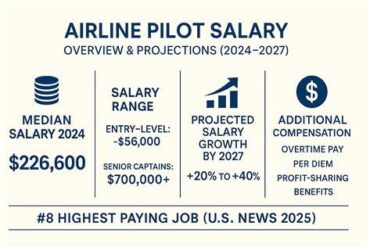
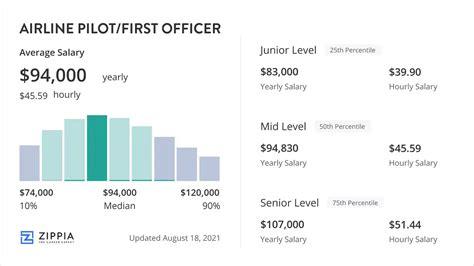
Fast forward to 2026, and the contrast is nothing short of dramatic. First-year earnings at regional airlines now commonly fall between $80,000 and $110,000. This leap is not incremental—it represents a structural correction driven by market forces that airlines can no longer ignore.
Breaking Down Hourly Pay in 2026
At the core of this transformation lies the hourly pay structure. Unlike many professions, airline pilots are compensated primarily based on “block hours,” which measure the time from when the aircraft door closes to when it opens at the destination. This system means that hourly rates are a critical determinant of total earnings.
In 2026, starting hourly pay for regional airline first officers typically ranges from $90 to $150 per hour. This range reflects differences in experience, qualifications, and airline-specific contracts. New hires entering with minimal turbine experience generally fall at the lower end, earning around $90 to $110 per hour. Those with prior airline experience or specialized certifications can command rates closer to $140 or higher.
To understand how these figures translate into annual income, it’s essential to consider the industry-standard monthly guarantee. Most regional airlines guarantee approximately 75 flight hours per month. At a $100 hourly rate, this equates to $7,500 per month, or $90,000 annually—before factoring in additional compensation.
Pilots who exceed their guaranteed hours through extra flying, premium assignments, or operational disruptions can significantly boost their earnings. In practice, many first officers surpass the baseline and approach or exceed six-figure incomes within their first year.
A Closer Look at Pay Progression
Hourly pay does not remain static. Regional airlines operate on structured pay scales that reward longevity and experience. Over time, first officers see incremental increases that gradually elevate their earning potential.
For example, a typical progression might see hourly rates climb from the low $90s in year one to above $100 within five years. By the eighth year, rates can approach or exceed $108 per hour. While these increases may appear modest on a yearly basis, their cumulative effect is substantial.
This steady progression provides a level of financial predictability that was largely absent in previous decades. It also reinforces the idea that even within the regional airline segment, pilots are no longer stuck in a stagnant compensation model.

Beyond Base Pay: The Rise of Incentives and Bonuses
Base hourly pay is only part of the story. In 2026, regional airlines have embraced a multi-layered compensation approach designed to attract and retain talent in a fiercely competitive market.
Signing bonuses have become a standard feature of employment offers. These bonuses typically range from $5,000 to $15,000 and are often distributed in stages—upon hiring, after completing training, and at specific retention milestones. This structure not only incentivizes pilots to join but also encourages them to stay.
Retention bonuses add another layer of financial appeal. Airlines recognize that keeping trained pilots is just as important as recruiting them, particularly given the high cost of training and onboarding. These bonuses can significantly increase total earnings over the first few years of employment.
Per diem payments further enhance income by compensating pilots for time spent away from base. While these payments are relatively small on an hourly basis, they accumulate quickly over the course of a month, especially for pilots flying dense schedules.
When all these elements are combined, it becomes clear why total first-year compensation frequently exceeds $100,000. In some cases, especially for pilots who maximize their flying hours, earnings can climb even higher.
The Pilot Shortage: A Defining Force
The driving force behind these dramatic pay increases is the persistent pilot shortage in the United States. This shortage is not a temporary anomaly—it is the result of multiple converging trends that have reshaped the labor market.
Mandatory retirement rules require airline pilots to retire at age 65, leading to a steady outflow of experienced aviators. At the same time, the pandemic disrupted training pipelines, slowing the influx of new pilots just as demand for air travel began to rebound sharply.
Major airlines have responded by hiring aggressively, drawing heavily from the regional airline talent pool. This creates a cascading effect: as experienced first officers leave for major carriers, regional airlines must continuously recruit and train replacements.
The result is a highly competitive environment in which airlines are compelled to offer higher pay and better benefits simply to maintain operational stability. In this context, rising wages are not a luxury—they are a necessity.

Training Costs and Accessibility
Another critical factor influencing pay is the high cost of becoming a pilot. Flight training, certifications, and required flight hours represent a significant financial barrier for many aspiring aviators. By raising starting salaries, regional airlines are effectively lowering this barrier.
Higher pay makes it easier for new pilots to manage loan repayments and achieve financial independence earlier in their careers. This, in turn, helps expand the pool of potential candidates, addressing one of the root causes of the pilot shortage.
The relationship between training costs and compensation is a delicate balance. If pay fails to keep pace with the cost of entry, the pipeline of new pilots shrinks. In 2026, the industry appears to have reached a more sustainable equilibrium.
Variations Across Regional Airlines
While the overall trend is upward, not all regional airlines offer identical compensation packages. Differences in fleet size, route networks, union agreements, and partnerships with major carriers can lead to meaningful variations in pay.
Airlines with strong affiliations to major carriers often provide more attractive packages, including structured pathways to transition into mainline operations. These “flow-through” agreements are particularly appealing because they combine competitive pay with long-term career security.
Other airlines may rely more heavily on bonuses and incentives to remain competitive. In some cases, smaller carriers must be more aggressive in their compensation strategies to attract pilots away from larger or more established competitors.
Despite these differences, the baseline has shifted upward across the board. Even the lowest-paying regional airlines in 2026 offer compensation levels that would have been considered highly competitive just a few years ago.
Career Trajectory and Long-Term Earnings
For most pilots, the regional airline phase remains a stepping stone toward a career at a major airline. However, the financial dynamics of this phase have changed significantly.
First officers now enter the industry with salaries that provide a comfortable standard of living, rather than requiring years of financial hardship. This shift has important implications for retention and career planning.
Upgrading to captain represents the next major milestone, bringing a substantial increase in hourly pay and overall earnings. Captain salaries at regional airlines often double those of first officers, creating a strong incentive for pilots to remain long enough to achieve this upgrade.
At the same time, the continued hiring demand from major airlines ensures that upward mobility remains a defining feature of the profession. Pilots can now progress through the ranks without sacrificing financial stability along the way.

A Narrowing Gap Between Regional and Major Airlines
One of the most significant outcomes of rising regional pay is the narrowing gap between regional and major airline compensation—at least at the entry level. While major airlines still offer significantly higher long-term earning potential, the initial disparity has diminished.
This shift has changed how pilots evaluate career opportunities. Regional airlines are no longer viewed solely as a temporary necessity but as a legitimate and financially viable phase of a pilot’s career.
For airlines, this creates both opportunities and challenges. Higher pay can improve retention and reduce turnover, but it also increases operating costs. Balancing these factors will be a key challenge for the industry in the years ahead.
The Broader Labor Market Transformation
The evolution of regional airline first officer pay reflects a broader transformation in the aviation labor market. Pilots are now recognized as a scarce and highly valuable resource, and compensation structures have adjusted accordingly.
This transformation extends beyond pay. Improved benefits, better scheduling practices, and enhanced quality of life initiatives are becoming increasingly important as airlines compete for talent.
The result is a more balanced relationship between pilots and employers—one in which compensation more accurately reflects the skills, responsibilities, and risks associated with the profession.
What 2026 Means for Aspiring Pilots
For those considering a career in aviation, the landscape in 2026 offers a compelling combination of opportunity and stability. The financial barriers to entry, while still significant, are now offset by the promise of strong early-career earnings.
This environment rewards dedication and perseverance. Pilots who invest in their training and navigate the early stages of their careers can now expect a return on that investment much sooner than in the past.
At the same time, the competitive nature of the industry means that opportunities are abundant for those who are prepared. Airlines are actively seeking talent, and they are willing to pay for it.
A New Era of Compensation
The days of underpaid regional airline pilots are rapidly fading into history. In their place is a compensation model that acknowledges the realities of modern aviation and the critical role that first officers play in maintaining safe and efficient operations.
With hourly rates ranging from $90 to $150, robust bonus structures, and total compensation packages that frequently exceed $100,000, regional airlines have fundamentally redefined what it means to start a career as a commercial pilot.
This is more than a pay increase—it is a recalibration of value. And for the pilots navigating this evolving landscape, it represents a future that is not only more lucrative but also more sustainable.