The battle for pilot talent has become one of the most consequential workforce challenges facing the United States military. While the Air Force, Navy, Marine Corps, and Army continue to train some of the most capable aviators on the planet, they are increasingly losing experienced pilots to commercial airlines that can offer substantially higher compensation, greater lifestyle flexibility, and stronger long-term earning potential.
In 2026, military pilot salaries are higher than they were just a few years ago. Retention bonuses have reached unprecedented levels, aviation incentive pay has expanded, and military leaders have publicly acknowledged the seriousness of the problem. Yet despite these efforts, the compensation gap between military aviation and airline careers remains significant.
The issue extends far beyond simple salary comparisons. It involves career economics, seniority systems, retirement planning, family stability, and quality of life. When military aviators evaluate their future, many conclude that remaining in uniform comes with a financial opportunity cost that becomes increasingly difficult to justify.
As a result, the Pentagon continues to face a retention challenge that has persisted for decades and shows few signs of disappearing anytime soon.
The Financial Gap Between Military and Airline Pilots Has Never Been More Visible
For many years, military service offered a relatively competitive financial package when healthcare, housing allowances, retirement benefits, and aviation incentives were included. While commercial pilots often earned more, the difference was not always dramatic enough to drive large-scale departures.
That reality has changed.
Major airlines now operate in an environment characterized by pilot shortages, strong passenger demand, and aggressive recruitment campaigns. These market conditions have pushed airline salaries to levels that military compensation struggles to match.
A newly commissioned Air Force pilot may receive total compensation approaching $90,000 annually once benefits and allowances are considered. Mid-career captains typically earn between $115,000 and $155,000 in total compensation, while senior colonels with extensive experience can approach or exceed $200,000 annually.
Those figures sound impressive until they are compared with airline earnings.
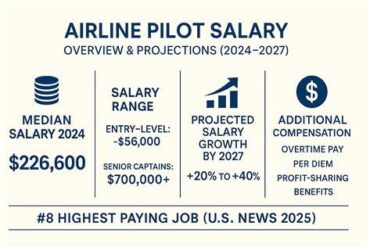
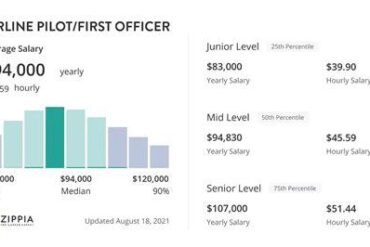
At major U.S. carriers such as Delta Air Lines, United Airlines, and American Airlines, senior first officers frequently earn compensation comparable to or greater than senior military aviators. Captains operating narrowbody aircraft often earn between $250,000 and $350,000 annually, while widebody captains on international routes can exceed $450,000 per year.
The difference becomes even more pronounced when profit-sharing programs, retirement contributions, premium pay, and contractual work protections are included.
Military aviators understand this reality better than anyone. Many fly with former military pilots who transitioned to the airlines years earlier and now earn substantially more while facing fewer operational demands.
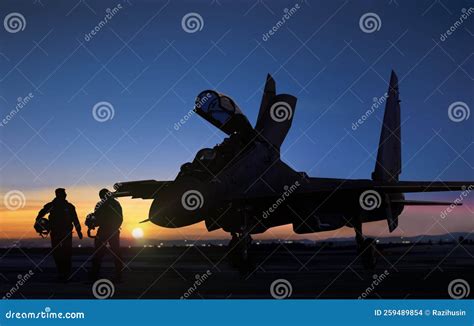
Why Airlines Hold a Structural Advantage
The military’s challenge is not simply that airlines pay more. The deeper issue is that commercial aviation possesses advantages built directly into its career model.
Airline compensation is tied heavily to seniority. Every year a pilot spends at an airline generally results in improved schedules, better aircraft assignments, increased vacation options, and higher earnings. Seniority is essentially a financial asset that grows over time.
Military careers operate differently.
Pilots may spend years rotating through deployments, staff assignments, instructor duties, command positions, and administrative responsibilities. While these assignments are critical for military leadership development, they often reduce actual flying time and do not translate into the same financial progression available within airline systems.
A military pilot who remains on active duty until age 35 may discover that colleagues who left years earlier already possess significant airline seniority advantages. Even generous military bonuses often fail to compensate for the long-term value of those lost years.
This dynamic creates a powerful incentive to transition earlier rather than later.
Many aviators recognize that every additional year spent delaying airline entry potentially reduces lifetime earnings by hundreds of thousands—or even millions—of dollars.
The Air Force Has Responded With Record Retention Bonuses
Recognizing the growing challenge, the Air Force has dramatically expanded its retention initiatives.
Recent aviation bonus programs have offered experienced pilots as much as $50,000 annually for extended service commitments. In some cases, total bonus packages can reach $600,000 over a twelve-year period.
Additional programs have introduced lump-sum payments worth up to $200,000 for aviators willing to accept shorter commitments while remaining available for key assignments.
These incentives represent some of the most aggressive retention efforts in military aviation history.
The programs specifically target communities experiencing the greatest shortages, including:
- Fighter pilots
- Bomber crews
- Mobility aviators
- Intelligence, surveillance, and reconnaissance pilots
- Specialized operational aviation units
The scale of these incentives demonstrates how seriously military leadership views the problem.
Yet the departure rate remains concerning.
Many pilots appreciate the bonuses but still determine that airline careers offer superior long-term financial outcomes.
A one-time payment, regardless of size, cannot fully offset decades of higher airline earnings.
Lifetime Earnings Tell a Different Story Than Annual Salaries
Annual salary comparisons often fail to capture the true financial picture.
When pilots evaluate career options, they typically examine lifetime earnings rather than a single year’s compensation.
This broader perspective frequently favors the airlines by a substantial margin.
Consider two pilots with similar training backgrounds.
One remains in military service for an additional decade before transitioning. The other joins a major airline immediately upon becoming eligible.
The second pilot begins accumulating airline seniority much earlier. Over the following twenty to thirty years, that advantage compounds through higher-paying aircraft assignments, earlier captain upgrades, increased schedule flexibility, and stronger retirement accumulation.
By retirement age, the cumulative difference can reach several million dollars.
This reality explains why military retention bonuses often struggle to produce the desired results. Pilots are not simply comparing current paychecks. They are evaluating the financial trajectory of their entire careers.
Pilot Shortages Continue Across Both Military and Commercial Aviation
The military’s retention challenge exists within a broader aviation workforce shortage.
Commercial airlines continue hiring at historically elevated rates. Thousands of airline pilots are expected to retire during the next decade as they reach the Federal Aviation Administration’s mandatory retirement age of 65.
Those retirements create ongoing demand for replacements.
Military aviators are particularly attractive candidates because they arrive with extensive flight experience, advanced operational training, leadership skills, and proven performance under pressure.
From an airline’s perspective, hiring former military pilots represents an efficient solution to staffing requirements.
For military leaders, however, this creates a difficult situation.
Training a combat-ready pilot requires years of effort and enormous financial investment. Losing experienced aviators means losing both operational expertise and the value of that training investment.
The result is a competition for talent that heavily favors commercial aviation.
The Cost of Training Military Pilots Makes Every Departure Expensive
Pilot retention is not merely a personnel issue. It is also a major financial concern.
Producing a military pilot involves far more than basic flight instruction.
Aviators progress through undergraduate pilot training, advanced aircraft qualification programs, mission-specific instruction, simulator training, operational conversion courses, and ongoing readiness requirements.
For fighter pilots, the process becomes especially expensive.
Depending on aircraft type and mission specialization, estimates place the cost of training a combat-ready fighter pilot between $5 million and $12 million.
These investments are essential because military aviation operates some of the world’s most sophisticated aircraft, including:
- F-22 Raptors
- F-35 Lightning IIs
- F-15EX Eagle IIs
- B-2 Spirit bombers
- B-21 Raider systems
- Advanced mobility and reconnaissance platforms
When experienced pilots depart, the military loses years of accumulated expertise that cannot be quickly replaced.
Even accelerated training programs require significant time before new aviators reach comparable operational proficiency.
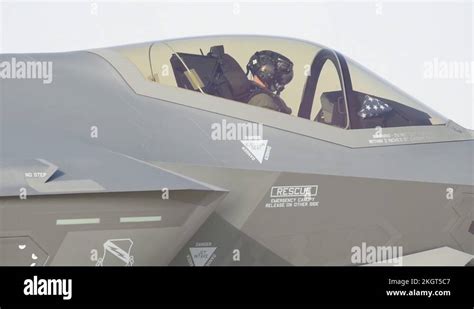
Quality of Life Has Become Just as Important as Pay
Although compensation receives most public attention, many military aviators cite lifestyle considerations as equally important factors.
Military service carries obligations that civilian aviation generally does not.
Pilots may face overseas deployments, combat operations, temporary duty assignments, extended separations from family, and frequent relocations throughout their careers.
The operational demands are often unpredictable.
An aviator may receive assignment orders requiring relocation across the country or overseas with limited flexibility regarding timing or location.
Airline pilots certainly encounter schedule challenges, but they typically enjoy greater control over where they live and how they structure their careers.
Seniority systems allow many airline pilots to optimize schedules around family priorities, commuting preferences, and personal goals.
This degree of predictability holds tremendous value, particularly for pilots with spouses, children, and long-term financial commitments.
Consequently, lifestyle improvements offered by airlines often reinforce the financial incentives already encouraging departures.
Decades of Research Suggest Bonuses Alone Cannot Solve the Problem
Military leaders have studied pilot retention for years.
Research consistently indicates that compensation matters, but it rarely operates in isolation.
Various analyses have shown that maintaining healthy retention rates requires balancing multiple factors simultaneously. Pay increases help, but their effectiveness diminishes if quality-of-life concerns remain unresolved.
This explains why military officials increasingly describe the issue as a structural workforce challenge rather than a temporary recruitment problem.
The Air Force has experimented with numerous solutions, including expanded training pipelines, assignment flexibility initiatives, revised promotion systems, and larger bonus programs.
Despite these efforts, shortages persist.
The challenge stems from the fact that airlines continue improving their own compensation packages while maintaining operational advantages the military cannot easily replicate.
No amount of bonus money can eliminate combat deployments, operational risk, or mission requirements.
Therefore, retention efforts must address broader career concerns alongside financial incentives.
Why Military Flying Still Attracts Many Aviators
Despite the growing compensation gap, military aviation retains unique advantages that continue attracting dedicated pilots.
Few professions offer opportunities comparable to flying advanced combat aircraft, operating from aircraft carriers, supporting special operations missions, or participating in strategic national defense operations.
Military pilots routinely experience missions unavailable anywhere else in aviation.
The responsibility, purpose, and professional challenge associated with these roles remain powerful motivators.
Many aviators value the opportunity to serve their country, lead highly skilled teams, and contribute directly to national security objectives.
The military also provides extensive leadership development that extends beyond aviation itself. Officers gain management experience, strategic planning skills, and operational expertise that prove valuable throughout their careers.
For some pilots, these factors outweigh purely financial considerations.
However, for others approaching critical career decision points, the economic advantages of airline employment become increasingly difficult to ignore.
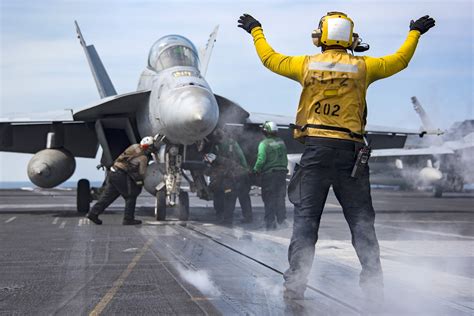
Why the Pentagon Now Sees Pilot Retention as a National Readiness Issue
Military leaders increasingly frame pilot retention as a strategic readiness concern rather than a compensation debate.
Modern military operations depend heavily on experienced aviators capable of operating sophisticated aircraft in highly complex environments.
Replacing those pilots takes time.
Even when training pipelines expand, producing mission-ready aviators cannot happen overnight. Experience accumulated through years of operational flying remains difficult to replicate.
As airline hiring continues through the late 2020s and into the 2030s, competition for pilot talent is expected to remain intense.
This reality has forced military planners to adopt a broader perspective.
Instead of relying solely on bonuses, leaders increasingly advocate a comprehensive approach that includes improved quality of life, greater assignment flexibility, enhanced career management options, and targeted financial incentives.
The objective is not simply to match airline salaries dollar for dollar. Doing so would be extraordinarily difficult.
Rather, the goal is to create a military career proposition compelling enough that experienced aviators choose to remain despite the financial advantages available elsewhere.
The Bottom Line
In 2026, U.S. military pilot salaries remain unable to compete directly with major airline compensation, even after accounting for record retention bonuses and expanded incentive programs. Commercial pilots at leading airlines routinely earn hundreds of thousands of dollars annually, while benefiting from seniority-driven career progression, stronger long-term earning potential, and greater lifestyle flexibility.
The Pentagon’s challenge is compounded by ongoing airline hiring, mandatory retirements across the commercial sector, and the immense cost of replacing experienced military aviators. Although bonuses worth hundreds of thousands of dollars have helped slow departures, they have not eliminated the fundamental economic advantage airlines possess.
As military leaders continue searching for solutions, one reality remains clear: the competition for skilled pilots is no longer just about annual paychecks. It is a contest between two fundamentally different career paths, and for many experienced aviators, the financial and lifestyle rewards offered by commercial aviation remain difficult to resist.