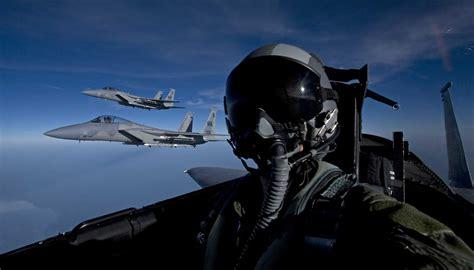
The career of a United States Navy fighter pilot carries a mystique few professions can rival. From the thunderous launch off an aircraft carrier catapult to the nerve-wracking moment when a jet slams onto a pitching deck in the middle of the ocean, naval aviation represents the sharpest edge of modern military capability. Yet despite the intensity, prestige, and extraordinary responsibility attached to the role, veteran aviators often repeat a common refrain to aspiring pilots: do not join the Navy for the paycheck alone.
Financial compensation does matter, of course, and the salary structure for US Navy fighter pilots in 2026 remains competitive within government service. However, the true equation of value stretches far beyond a base salary figure. The Navy offers fully funded flight training worth nearly a million dollars, elite leadership experience, and the rare opportunity to operate some of the most sophisticated aircraft ever built.
Understanding what Navy fighter pilots earn requires examining the broader system of military officer pay, aviation bonuses, allowances, and career progression. The result is a compensation package that evolves dramatically over time and reflects both the operational demands and professional expectations placed on naval aviators.
The Meaning Behind the Wings of Gold
Before a pilot ever begins collecting a paycheck as a qualified naval aviator, an extensive journey unfolds. Becoming a fighter pilot in the US Navy begins with earning a commission as an officer, either through the Naval Academy, Officer Candidate School, or a university ROTC program.
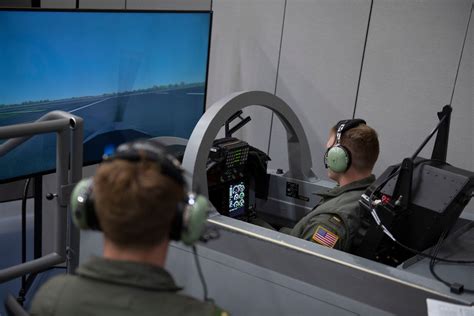
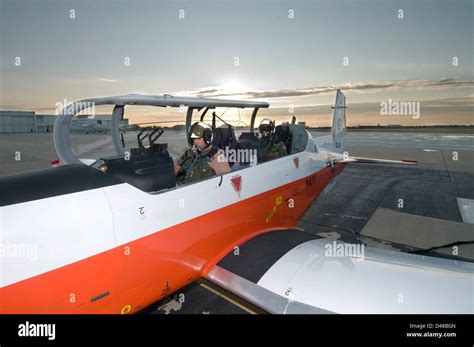
Once commissioned, aspiring aviators enter a rigorous training pipeline that can take several years. Students first complete introductory aviation training before advancing through primary flight training in the Beechcraft T-6B Texan II turboprop. Here, they learn the foundations of military flying—instrument procedures, aerobatics, navigation, and formation flight.
Performance during this phase determines the direction of a pilot’s career. Based on class ranking and available openings, some students earn the coveted slot for jet training. Others are assigned to helicopters, maritime patrol aircraft, or other specialized platforms. The selection is famously governed by a principle known within the service as “the needs of the Navy.”
Those who secure a fighter pipeline advance to jet training and eventually earn their “wings of gold,” the symbol that marks them as designated Naval Aviators. Only after reaching this milestone does the operational phase—and the steady aviation pay—truly begin.
Base Pay Structure for Navy Fighter Pilots in 2026
The foundation of a Navy fighter pilot’s salary comes from the standard military officer pay table. Base pay depends on two primary factors: rank and years of service. Unlike civilian aviation jobs, the type of aircraft flown does not affect base pay.
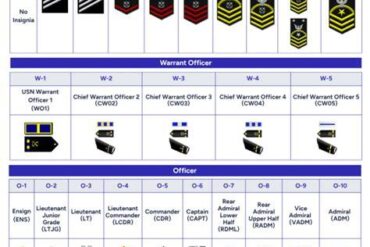
In 2026, a typical fighter pilot begins their operational career at the rank of Ensign (O-1). As experience grows and promotions follow, income steadily increases.
Typical monthly base pay ranges include:
- Ensign (O-1): approximately $4,150 – $5,222
- Lieutenant Junior Grade (O-2): approximately $4,782 – $6,618
- Lieutenant (O-3): approximately $5,535 – $7,737
- Lieutenant Commander (O-4): approximately $6,294 – $8,332
- Commander (O-5): approximately $7,295 – $9,250
These figures represent base pay only. By themselves they might appear modest compared with senior airline pilot salaries, but they are only part of the financial picture. When allowances and aviation incentives are included, the total annual compensation rises significantly.
Over the course of a career, promotions gradually shift a fighter pilot’s salary from roughly $60,000 annually at the beginning to well over $150,000 or more when senior officer pay, bonuses, and allowances combine.
Aviation Incentive Pay: Flight Pay Explained
One of the defining features of military pilot compensation is Aviation Incentive Pay, often called “flight pay.” This monthly stipend exists specifically to recognize the specialized skills and risks associated with military aviation.
Flight pay begins shortly after a pilot earns their wings. For new aviators, the payment may start around $150 per month. As pilots accumulate aviation service years, the amount increases incrementally.
By roughly the ten-year mark in an aviation career, monthly flight pay typically reaches its maximum of about $1,000 per month.
While the increase might appear gradual, the long-term effect is meaningful. Over a decade of service, aviation incentive pay can add tens of thousands of dollars to total compensation.
Importantly, the Navy does not differentiate flight pay based on aircraft type. A helicopter pilot, maritime patrol aviator, and fighter pilot with identical years of aviation service all receive the same monthly flight pay rate.
The logic behind this structure is that every aviation community requires demanding training and carries operational risk. The Navy therefore standardizes aviation incentive compensation across the entire aviation force.
Housing and Subsistence Allowances That Boost Real Income
Base pay and flight pay represent only part of the compensation received by Navy fighter pilots. Officers also receive several tax-advantaged allowances that substantially increase their effective earnings.
The most significant of these is the Basic Allowance for Housing (BAH). This payment helps officers cover housing costs and varies widely depending on location, rank, and whether the officer has dependents. In high-cost areas such as coastal California or the Washington D.C. region, BAH payments can exceed $3,000 per month.
Another allowance, Basic Allowance for Subsistence (BAS), covers food expenses and adds several hundred dollars monthly.
Because these allowances are typically non-taxable, they dramatically increase take-home pay. When included, the real compensation of a mid-career naval aviator often climbs well beyond the headline base salary.
For example, a Lieutenant with several years of service might earn a base salary around $7,000 per month. After adding housing, subsistence, and flight pay, total monthly compensation can approach or exceed $10,000 depending on duty location.
Aviation Bonuses and Retention Incentives
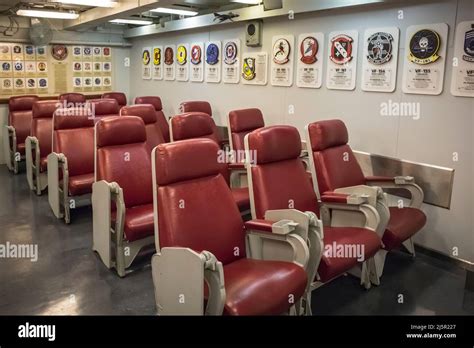
The most significant financial inflection point in a Navy pilot’s career arrives after the initial service commitment. Because training a single jet pilot costs the Navy close to one million dollars, the military strongly encourages experienced aviators to remain in uniform.
To achieve this, the Navy periodically offers Aviation Bonuses (AvB) to pilots willing to extend their service contracts.
These bonuses fluctuate depending on manpower needs within different aviation communities. Fighter squadrons, designated as the VFA community, occasionally receive higher retention bonuses when experienced pilots become scarce.
Retention bonuses may be paid in annual installments across several years of additional service. For pilots approaching the end of their first commitment, these incentives can total tens or even hundreds of thousands of dollars over time.
Even so, the financial calculus remains complex. Civilian airline salaries—especially at major carriers—often surpass military pay ceilings. For some aviators, the lure of airline compensation eventually outweighs the retention bonus offered by the Navy.
The Long Service Commitment Behind Free Flight Training
One of the most overlooked aspects of Navy fighter pilot pay is the value of the training itself. Unlike civilian pilots who must finance their own education, naval aviators receive comprehensive training fully funded by the government.
Civilian flight training can cost more than $100,000 before a pilot even qualifies for entry-level airline jobs. Military flight training, by contrast, is significantly more extensive and is estimated to cost the Navy nearly $1,000,000 per pilot.
The price for this world-class education is time. As of March 2026, pilots who complete the jet training pipeline incur a minimum eight-year active duty service commitment beginning from the date they are designated as Naval Aviators.
This obligation ensures that the Navy receives operational value from the enormous investment made in each pilot’s training.
For those considering naval aviation primarily as a financial opportunity, the long commitment often comes as a surprise. The Navy expects aviators to dedicate a significant portion of their early adult life to military service before transitioning elsewhere.
Life on the Flight Deck: The Reality Behind the Paycheck
Money alone cannot explain the appeal—or the challenge—of being a Navy fighter pilot. The daily routine inside a carrier strike fighter squadron combines relentless training, operational planning, and leadership responsibilities.
Pilots do not simply show up and fly. Every officer also holds a “ground job,” managing areas such as training coordination, maintenance oversight, safety programs, or intelligence analysis.
As pilots rise in rank, these administrative and leadership duties often consume more time than flying itself.
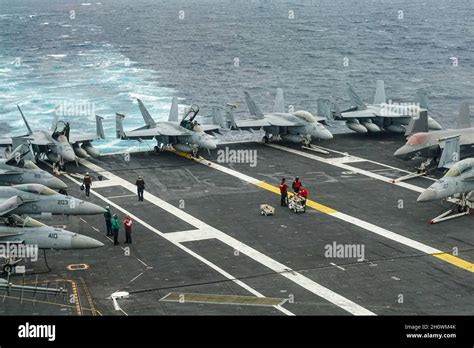
Carrier deployments intensify the workload. Squadrons spend months preparing for deployment through training cycles that may take them to locations such as Fallon, Nevada. During these workups, days regularly stretch 12 to 16 hours.
Once deployed aboard an aircraft carrier, the rhythm becomes even more demanding. Pilots may live in small shared staterooms while operating from the ship for nine months or longer.
Despite the hardship, many aviators consider the environment unmatched. Few professions combine technical mastery, physical intensity, and team cohesion at such a level.
Flying the Navy’s Most Advanced Fighter Jets
Modern Navy fighter pilots operate some of the most technologically sophisticated aircraft ever placed on a carrier deck. These jets represent the cutting edge of aerospace engineering and play a crucial role in global power projection.
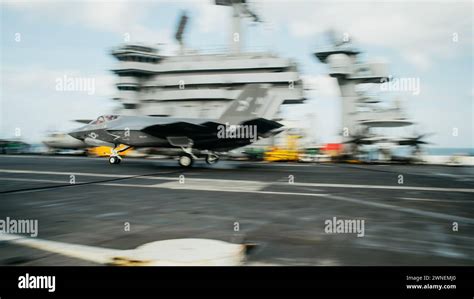
The F-35C Lightning II is the newest carrier-capable stealth fighter, designed with advanced sensor fusion, radar evasion technology, and powerful networking capabilities that allow pilots to function as airborne information hubs.
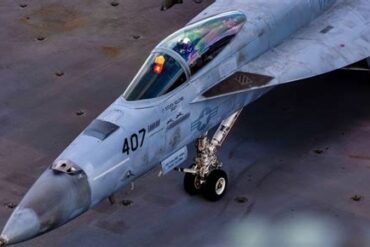
Alongside it remains the F/A-18E/F Super Hornet, widely known as the “Rhino.” This multirole aircraft serves as the backbone of the Navy’s strike fighter fleet and performs missions ranging from air superiority to precision ground attack.
A specialized variant, the EA-18G Growler, adds electronic warfare capabilities, jamming enemy radar systems and protecting allied aircraft.
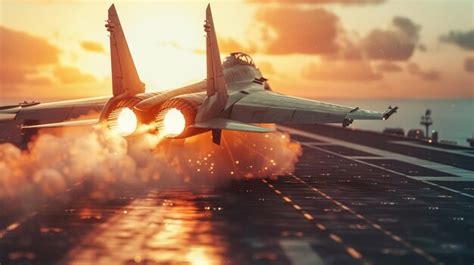
Operating these machines demands exceptional skill. A carrier launch accelerates a fighter from zero to roughly 170 miles per hour in just two seconds as the catapult fires the aircraft down the deck.
Landing is even more intense. Pilots must catch a steel arresting cable on a moving deck only a few hundred feet long, often in darkness and rough seas. The maneuver is frequently described as a “controlled crash.”
The Elite Culture of the Ready Room
Behind every flight lies an equally intense culture of professional evaluation. The squadron ready room functions as the intellectual core of naval aviation.
After each mission, pilots conduct detailed debriefings that dissect every tactical decision and flight maneuver. These discussions are famously candid. Rank often fades into the background during these sessions; even the commanding officer can expect critique from junior pilots if a mistake occurred.
This culture exists for one primary reason: safety and improvement. Flying high-performance jets from carriers leaves little margin for error, and the willingness to openly challenge decisions ensures that lessons are learned quickly.
The ready room environment also breeds camaraderie. Dark humor, shared hardship, and mutual respect form bonds that many pilots describe as lifelong.
The Prestige of Advanced Tactical Training
Among Navy fighter pilots, few achievements carry the prestige of completing the Strike Fighter Tactics Instructor program—better known by its historic nickname, TOPGUN.

This demanding course lasts roughly 13 weeks and focuses on advanced aerial combat tactics. Only experienced fleet aviators are eligible to attend, and the training environment is famously challenging.
Graduates earn the distinctive red-and-blue TOPGUN patch, but they do not immediately deploy into combat roles. Instead, they return to their squadrons or weapons schools to serve as instructors, spreading the latest tactical knowledge throughout the fleet.
For many aviators, this role represents the pinnacle of their professional development. It reflects mastery not only of flight skills but also of leadership and teaching.
Assignment Realities and the “Needs of the Navy”
One of the defining realities of a Navy aviation career is the limited control pilots have over assignments. From platform selection to squadron placement, decisions often depend more on fleet requirements than individual preference.
During training, students submit a “dream sheet” listing the aircraft and communities they hope to join. However, the number of available slots for each platform is determined by Pentagon manpower planning.
A student might rank at the top of their class yet still be assigned to a non-fighter platform if jet openings are unavailable that week. Once assigned to a community, switching later becomes extremely rare.
The same principle applies to duty stations. A pilot may hope for a posting in California or Japan but instead receive orders to Virginia or another location where the Navy needs personnel.
While the system can feel frustrating, it ensures that the fleet maintains balanced staffing across all aviation units.
The Role of Naval Flight Officers
Although fighter pilots receive most of the public attention, they are only part of the Navy’s aviation ecosystem. Naval Flight Officers, or NFOs, occupy critical positions in many aircraft.
Unlike pilots, NFOs do not control the aircraft directly. Instead, they manage mission systems, radar, navigation, and tactical coordination.
In aircraft such as the P-8 Poseidon maritime patrol plane or the E-2 Hawkeye airborne early warning platform, the NFO may serve as the mission commander, overseeing the tactical execution of the entire operation.
Despite their different roles, NFOs follow the same promotion boards as pilots and receive identical base pay and flight pay structures.
This parity reflects the reality that modern military aviation relies on complex teamwork between pilots, mission commanders, and specialized operators.
Comparing Military and Airline Pilot Salaries
A common question surrounding Navy fighter pilots is how their earnings compare with civilian airline pilots.
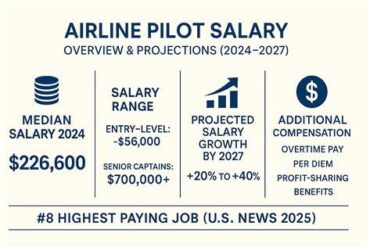
Commercial airline captains—particularly those flying wide-body international routes—often earn significantly higher salaries than military aviators. Senior airline pilots at major carriers can reach annual compensation well above $300,000.
However, the career paths are fundamentally different.
Military pilots receive world-class training, guaranteed flight experience early in their careers, and leadership opportunities that extend far beyond aviation. Airline careers, by contrast, typically begin with lower pay during regional airline employment before gradually rising over many years.
For many Navy pilots, the decision to remain in uniform or transition to the airlines ultimately balances lifestyle preferences, family considerations, and personal passion for military service.
The True Value of Being a Navy Fighter Pilot
The salaries of US Navy fighter pilots in 2026 reflect a structured system designed to reward experience, responsibility, and specialized expertise. Base pay, aviation incentives, allowances, and retention bonuses combine to create a compensation package that grows steadily throughout an aviator’s career.
Yet the true reward of naval aviation is rarely measured purely in dollars. Flying supersonic jets from aircraft carriers, leading teams of sailors, and operating at the forefront of national defense create experiences few professions can replicate.
For those who earn the wings of gold, the paycheck may be respectable—but the opportunity to stand at the tip of the spear of modern aviation is what truly defines the career.