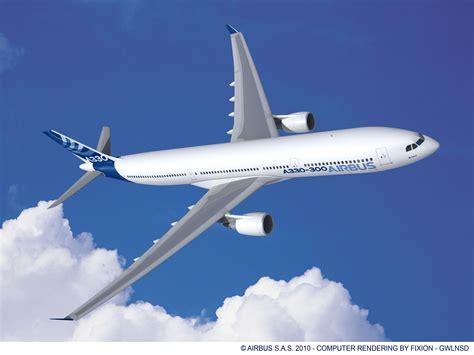
The Airbus A330 stands as a cornerstone in modern commercial aviation, blending efficiency, range, and versatility in a twin-engine wide-body platform. Developed by Airbus, it first took to the skies on 2 November 1992, marking the beginning of a long and successful operational history. The aircraft officially entered service with Air Inter on 17 January 1994, setting the stage for decades of commercial success.
Origins and Development of the A330
The A330’s story begins in the mid-1970s, as Airbus sought to expand its product lineup beyond the pioneering A300. Initially conceived as the A300B9 or TA9, the aircraft was designed alongside the four-engine TA11, which would eventually become the A340. Both models shared several critical components, including fuselage sections and wing structures, enabling significant production efficiencies. This approach reduced costs and simplified maintenance, appealing to airlines looking for versatile fleet options.
Formal program launch occurred in June 1987, following early orders from Air Inter and Thai Airways in March 1987. The first wing-to-fuselage mating took place in February 1992, with flight testing commencing shortly thereafter. Over 1,114 flight hours and 426 test flights were completed before the JAA and FAA awarded certification on 21 October 1993.
Technical Specifications and Design
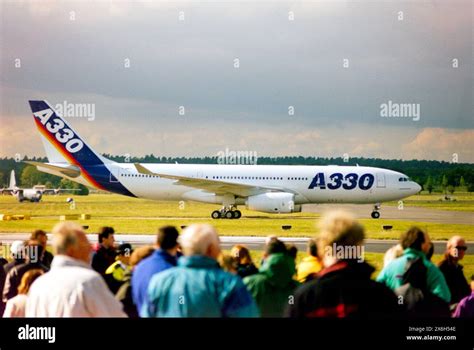
The A330 family features a conventional low-wing design with fly-by-wire flight controls and a glass cockpit, reflecting the technological advancements of the era. The aircraft’s wings are designed for high aerodynamic efficiency, supporting long-haul routes with reduced fuel consumption. Key specifications include:
- A330-300: Range of 11,750 km with a typical seating capacity of 277 passengers.
- A330-200: Shorter fuselage with extended range of 13,450 km and seating for 247 passengers.
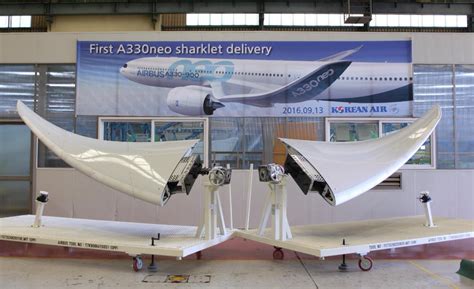
- A330neo: Re-engined variants (A330-800 and A330-900) offering 14% better fuel economy thanks to Trent 7000 engines and sharklets.
Variants and Market Evolution
The A330 has evolved into a diverse family of aircraft, each tailored to specific operational needs. The main variants include:
- A330-300: The original, long-range variant, launched alongside the A340 in the early 1990s.
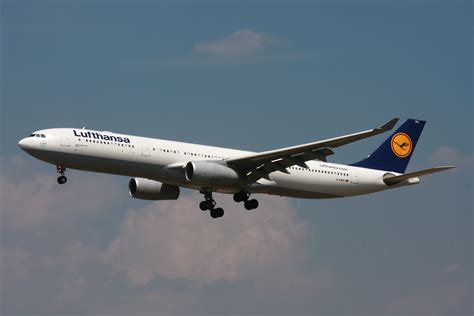
- A330-200: A shorter, longer-range model introduced in 1998 to capture market demand for extended operations.
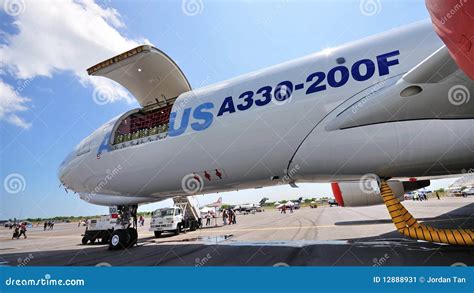
- A330-200F: A dedicated freighter variant capable of carrying 65 tonnes over 7,400 km.
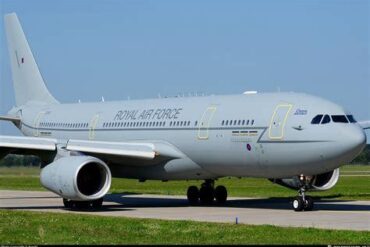
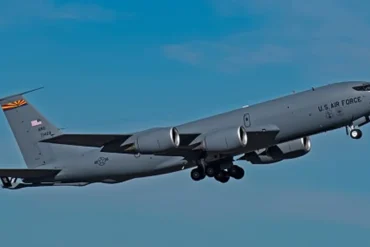
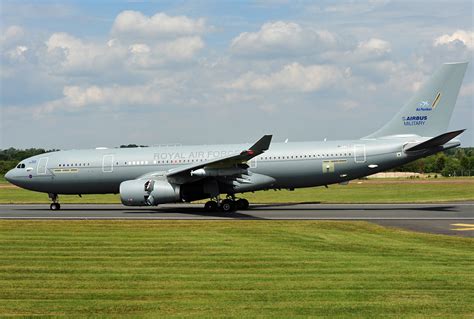
- A330 MRTT: A military tanker version used by several air forces, including the CC-330 Husky.
- A330neo: The latest version, featuring advanced aerodynamics and fuel-efficient engines, first delivered in December 2018.
Production and Fleet Statistics
Since its introduction, the A330 family has become one of the world’s most successful wide-body jetliners. As of April 2025, the family has received 1,863 orders, with 1,629 units delivered and 1,463 currently in service. The largest operator is Delta Air Lines, with a fleet of 75 aircraft. Production peaked at 10 per month in April 2013, reflecting strong market demand, before adjusting to the newer A330neo model.
Operational Record and Safety
The A330 has established a strong safety record over its decades of service. However, it has experienced 46 accidents and incidents, including 14 hull losses and 339 fatalities as of June 2024. Despite these incidents, the A330 remains one of the most reliable wide-body aircraft in service, boasting over 65 million flight hours.
Conclusion
With its exceptional range, flexibility, and fuel efficiency, the Airbus A330 remains a vital component of global airline fleets. As the world continues to demand more efficient long-haul air travel, the A330’s legacy of innovation and reliability ensures its continued relevance in the competitive commercial aviation market.