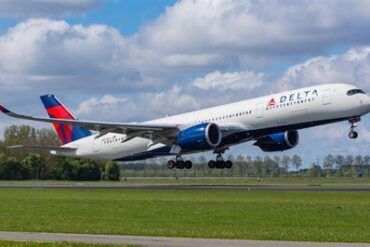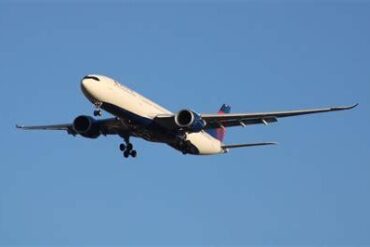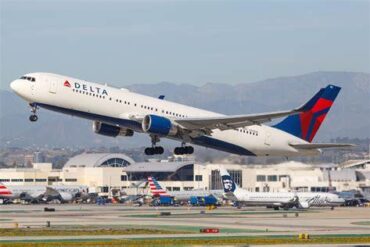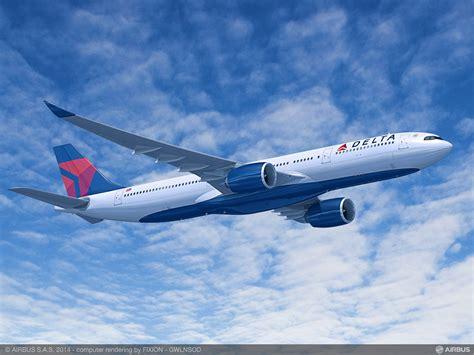
Delta Air Lines, a titan in global aviation, is strengthening its strategic deployment of the Airbus A330-200 as part of its long-haul operations into 2025, reinforcing critical air links between key U.S. business hubs and high-value international destinations across Europe, South America, and Africa. With a lean fleet of 11 Airbus A330-200s, the airline is leveraging the aircraft’s unique characteristics to cater to routes with premium travel demand yet moderate overall passenger volume, sustaining its competitive edge in premium international service.
Delta’s Fleet Strategy: Precision Over Scale
While Delta is known for operating one of the largest widebody fleets in the world, including extensive use of the A330-300 and A330-900neo, the A330-200 plays a niche yet powerful role in the airline’s global network. These aircraft, inherited from the merger with Northwest Airlines in 2008, were originally delivered between 2004 and 2006. Despite their age, Delta has intentionally retained these jets for missions where their premium-focused configuration delivers unmatched performance.
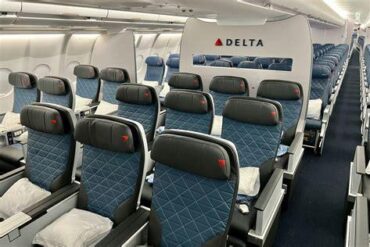
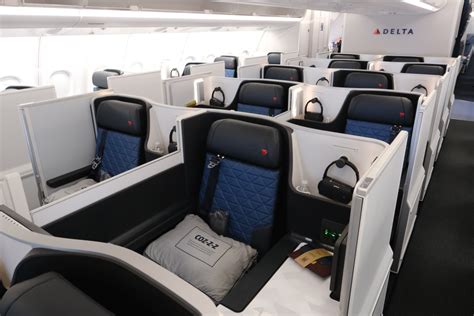
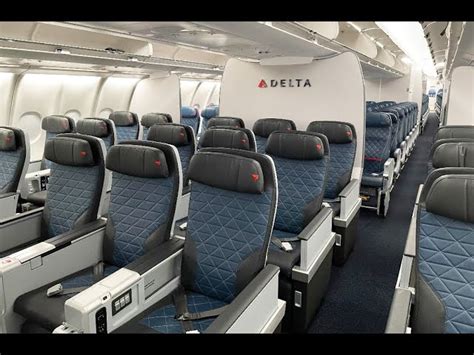
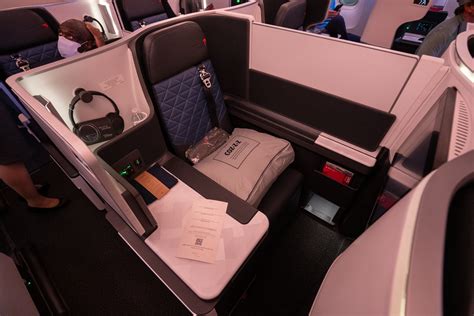
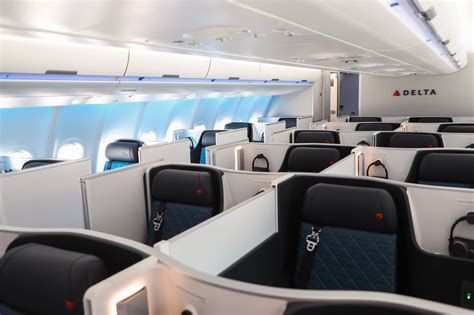
Each A330-200 in Delta’s fleet carries:
- 34 Delta One business class seats
- 21 Premium Select seats
- 144 Main Cabin economy seats
This setup emphasizes premium passenger experience over volume, making the aircraft ideal for routes with strong corporate and high-yield leisure demand. With Pratt & Whitney PW4000 engines, a maximum takeoff weight (MTOW) of 233 tons, and a range exceeding 7,200 nautical miles, the A330-200 is tailored for transatlantic and transcontinental services that don’t require the capacity of larger aircraft.
Key U.S. Hubs Fueling the A330-200’s Global Reach
In June 2025, Delta’s A330-200 aircraft are scheduled to operate more than 200 flights across its major domestic and international gateways. Each deployment is highly curated, focusing on destinations where first-class comfort, reliability, and economic efficiency intersect.
Atlanta Hartsfield-Jackson International Airport (ATL)
Atlanta, Delta’s largest hub, sees the highest deployment of A330-200s, with 102 flights scheduled for June 2025. These aircraft will handle domestic routes to Detroit and Orlando, in addition to high-profile international destinations:
- Frankfurt, Germany (daily)
- Buenos Aires, Argentina
- Edinburgh, Scotland
- Naples, Italy
These routes demonstrate the A330-200’s effectiveness in connecting the Southeastern U.S. with business centers and upscale leisure markets across multiple continents.
Detroit Metropolitan Wayne County Airport (DTW)
Detroit continues to be a critical transatlantic bridge, leveraging the A330-200’s premium configuration on 82 flights this June. Among the notable destinations served:
- Frankfurt and London-Heathrow (daily)
- Dublin, Ireland
- Phoenix, Arizona
DTW’s role reinforces Delta’s position in the industrial Midwest, linking corporate travelers to European financial centers.
Minneapolis-St. Paul International Airport (MSP)
Typically dominated by A330-300 operations, MSP will see the A330-200 assigned to a special route to Dublin, highlighting Delta’s flexibility in aircraft deployment. This one-off pairing optimizes aircraft use based on day-specific demand, showcasing Delta’s nimble fleet management.
New York John F. Kennedy International Airport (JFK)
In JFK, the A330-200 is used with surgical precision. Its lone route from this hub is the daily service to Frankfurt, a major business travel corridor. While most other transatlantic services from JFK are now handled by larger Boeing 767s and A330-900s, the Frankfurt flight retains the A330-200 to align premium capacity with tailored market needs.
Salt Lake City International Airport (SLC)
Delta will deploy the A330-200 on two niche routes from Salt Lake City in June:
- London-Heathrow (daily)
- Seattle-Tacoma International Airport (round-trip)
These pairings suggest Delta’s intent to seed or sustain premium services in secondary markets, while preserving operational efficiency.
Engineering for Profit: Why the A330-200 Still Makes Sense
Despite being over two decades old, the A330-200 continues to earn its place due to a combination of cost-effective long-haul range, lower operating costs, and premium market suitability. The aircraft’s smaller cabin allows Delta to right-size capacity to markets that don’t require the heft of a widebody behemoth but still demand first-class amenities. This avoids underutilization and helps maintain healthy route economics.
Moreover, the jet’s fuel consumption, while higher than newer models, remains competitive on mid-density premium routes thanks to streamlined weight distribution and efficient engine performance.
A Transitional Asset in Delta’s Fleet Modernization Path
Although the A330-200 continues to fulfill a vital role, its days are numbered. By 2025, these aircraft will be 21 years old on average, and Delta has signaled a gradual phase-out extending into the early-to-mid 2030s. As the airline accelerates its fleet modernization strategy, newer aircraft like the Airbus A330-900neo and Airbus A350-900 will take over long-haul duties.
However, there are no immediate plans to retire the A330-200 fleet en masse. Instead, these jets will remain on the most fitting routes, offering a premium experience where operational flexibility is needed most. Their eventual retirement will be staggered, likely coinciding with the arrival of additional next-generation aircraft.
Strategic Implications: A Future-Focused Yet Customer-Centric Model
Delta’s use of the A330-200 reflects a broader strategic philosophy rooted in maximizing asset value and market alignment. Rather than simply grounding older jets for newer ones, Delta has employed a surgical approach, using each aircraft model where it makes the most economic and service sense.
By sustaining its A330-200 fleet through 2025 and beyond, Delta ensures that customers in key business corridors and emerging leisure destinations receive premium service without excessive operating costs. It’s a pragmatic strategy that prioritizes customer experience, network efficiency, and fleet discipline.
As the airline inches closer to a fully modernized widebody fleet, the A330-200 will serve as a bridge asset, connecting the operational legacy of Delta’s past to the technologically advanced, sustainability-driven future it’s rapidly embracing.