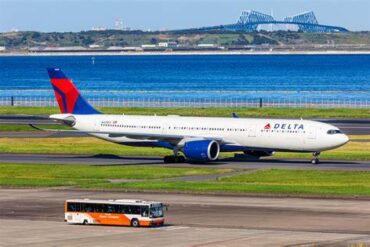
Delta Air Lines is expanding its global footprint with 10 new and returning nonstop long-haul routes scheduled across its 2026 international network. The carrier’s latest growth plan adds more connections across Europe, Asia, the Middle East, and South America, reinforcing its position as one of the largest US airlines serving international destinations.
Between August and December 2026, Delta is expected to operate an average of 113 daily departures from the United States to long-haul markets, representing a 4% increase compared with the same period in the previous year. According to schedule data submitted to Cirium Diio, Delta will operate 118 long-haul routes during the period, with several new services expanding the airline’s worldwide presence.
The most notable additions include the return of service between Atlanta and Tel Aviv, along with new flights connecting the US to Riyadh and several European destinations. These routes reflect Delta’s strategy of rebuilding international capacity while targeting high-demand business and leisure markets.
New Routes Connect Delta Passengers to Asia and the Middle East
Delta’s expansion into the Middle East and Asia represents a major part of its international growth strategy. The airline is preparing to restore operations to Israel after a three-year suspension caused by regional conflict.
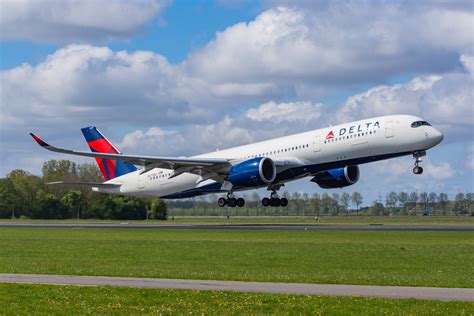
The Atlanta (ATL) to Ben Gurion International Airport (TLV) route is scheduled to return on December 19, 2026, with three weekly flights operated by the Airbus A350-900. Delta will also continue operating flights between New York John F. Kennedy International Airport and Tel Aviv, with service expected to resume earlier in September.
Another major addition is the new Atlanta to King Khalid International Airport in Riyadh (RUH) route. Launching on October 23, the service will initially operate daily before transitioning to three weekly flights using the Airbus A350-900. The expansion gives Delta a stronger presence in the Middle East market, where competition among US carriers remains intense.
Delta is also increasing its position in Asia. The airline currently averages 17 daily departures to Asian destinations, ranking second among US carriers behind United Airlines. Its Asian network has grown by approximately 9% year-over-year, supported by the return of important international links.
In June 2026, Delta restarted flights between Los Angeles and Hong Kong, operating daily Airbus A350-900 services. The route marked the airline’s return to Hong Kong after previously serving the city from Seattle until 2018.
Seven New European Routes Expand Transatlantic Reach
Europe remains one of Delta’s strongest international markets, and the airline continues to expand its transatlantic network despite reducing some older services. From August through December 2026, Delta will operate an average of 87 daily flights across the Atlantic, remaining the second-largest US carrier in the market behind United Airlines.
The airline’s European growth is supported by seven new routes launched during the year. These additions include several seasonal services designed to capture peak travel demand between North America and popular European destinations.
New European routes include:
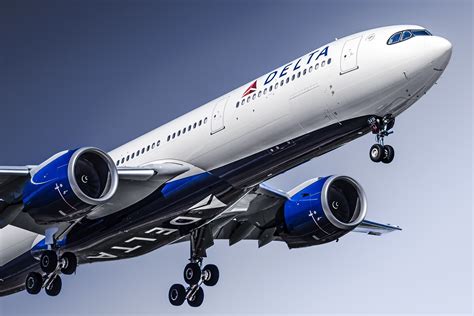
- Boston to Madrid, operated daily until October 23 using the Airbus A330-900neo.
- Seattle to Barcelona, operating three times weekly with the Airbus A330-900neo.
- Seattle to Rome, offering four weekly flights with the Airbus A330-900neo.
- Boston to Nice, operating three weekly flights using the Airbus A330-300.
- New York to Olbia, Italy, operating four weekly flights on the Boeing 767-300ER.
- New York to Porto, Portugal, operating year-round with up to daily service.
- New York to Malta, operating three weekly flights during the summer season.
The New York to Olbia route is particularly significant because it introduces the first scheduled transatlantic service connecting Sardinia directly with the United States. The addition further strengthens Delta’s position in Italy, where the airline now serves six airports and has increased flights by around 12% year-over-year.
Los Angeles and Boston Become Key International Growth Hubs
Delta’s international expansion is not limited to individual routes. The airline is also increasing capacity at several important hubs, with Los Angeles International Airport (LAX) and Boston Logan International Airport (BOS) standing out as major growth points.
LAX has experienced the strongest increase, with long-haul departures rising by 41% compared with the previous year. Delta now operates eight long-haul international routes from Los Angeles, including destinations such as Auckland, Brisbane, Hong Kong, Melbourne, Paris, Shanghai, Sydney, and Tokyo Haneda.
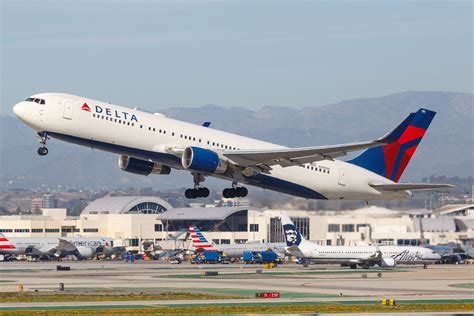
Boston has also become an increasingly important international gateway for Delta. The airport now supports 11 long-haul international routes, including Amsterdam, Athens, Barcelona, Edinburgh, Lisbon, London Heathrow, Madrid, Milan, Nice, Paris, and Rome.
With international flights from Boston increasing by 15% year-over-year, the hub has moved ahead of Minneapolis and Seattle in Delta’s long-haul network rankings. The growth highlights Delta’s focus on strengthening connections from major US business centers.
Delta’s Global Strategy Targets Premium International Demand
Delta’s 2026 long-haul expansion demonstrates the airline’s continued focus on premium international travel, strategic partnerships, and high-value global markets. By adding routes to destinations across Europe, Asia, and the Middle East, the carrier is positioning itself to capture growing demand from both business travelers and international tourists.
The combination of new routes, returning services, and increased hub capacity shows Delta’s commitment to rebuilding and expanding its worldwide network. With modern aircraft such as the Airbus A350-900, Airbus A330-900neo, and Boeing 767 family supporting these operations, Delta is creating a broader international schedule designed for long-distance travelers seeking more nonstop options.