Delta Air Lines is significantly expanding its international network with six new nonstop routes scheduled to launch between October 2026 and December 2026, reinforcing its position as one of the largest global carriers in the United States. According to OAG schedule data, the airline expects to operate an average of 244 daily international departures between July 2026 and March 2027, representing a four percent increase compared with the same period a year earlier. The expansion reflects Delta’s continued investment in long-haul connectivity, premium travel, and strategic international partnerships while strengthening key hubs across the United States.
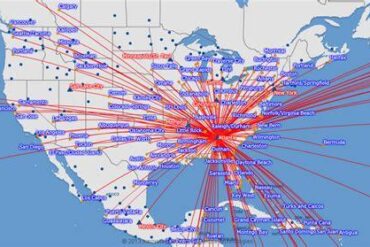
During the current scheduling period through March 2027, Delta plans to operate 251 international routes crossing the US border from 19 hubs and focus cities. Hartsfield-Jackson Atlanta International Airport continues to dominate the carrier’s overseas operation with 75 international destinations, while New York John F. Kennedy International Airport follows with 49. These hubs remain the backbone of Delta’s global strategy, enabling passengers from dozens of domestic cities to connect seamlessly onto international flights.
Although several of the announced routes are returning markets that Delta has previously served, the expansion still represents an important reshaping of the airline’s international map. The new schedule introduces seasonal leisure destinations, restores previously suspended services, and opens completely new long-haul opportunities that support both business and tourism demand.
Delta Air Lines’ Six New International Routes
The airline’s latest expansion includes six nonstop services launching from four major US hubs. Some routes revive markets that disappeared years ago, while others introduce destinations never before connected nonstop by Delta.
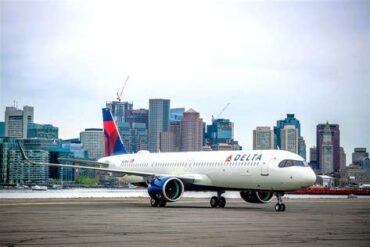
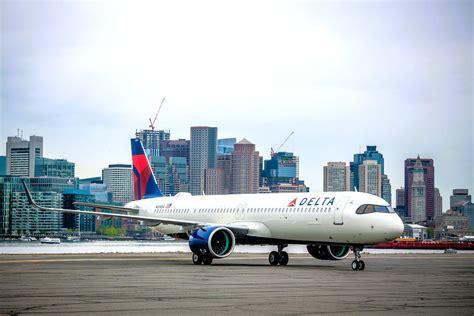
Beginning on October 6, 2026, Delta will move its Bermuda operation from New York JFK to New York LaGuardia Airport. The route will operate four times weekly using the Airbus A319, providing travelers with easier access from one of New York City’s most convenient airports while replacing the previous JFK service.
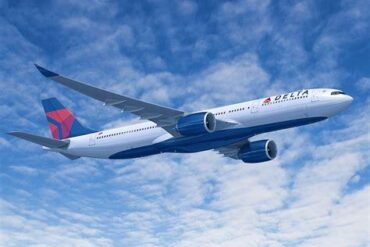
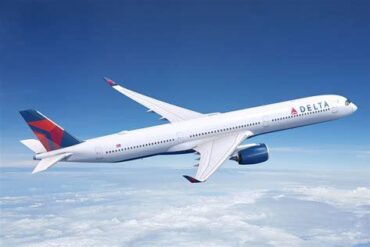
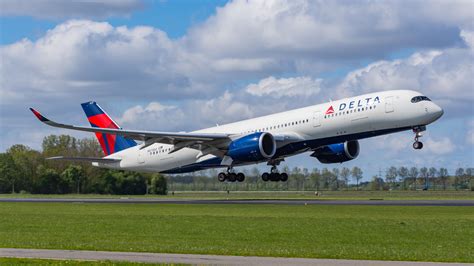
Just over two weeks later, on October 23, Delta will inaugurate nonstop flights between Atlanta and Riyadh, Saudi Arabia. Initially operating daily before transitioning to three weekly frequencies, the route will utilize the airline’s premium-configured Airbus A350-900, marking Delta’s first-ever nonstop service to the Saudi capital.
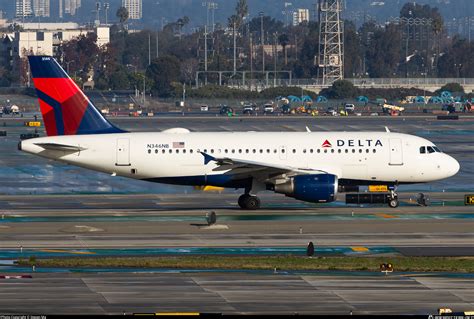
On November 21, Delta will restore flights between Los Angeles and Vancouver. The service, operated twice daily by the Airbus A319, returns Delta to a transborder market it last served several years ago and re-establishes nonstop connectivity between its growing West Coast hub and Canada’s busiest airport.
Three additional routes will launch on December 19. Atlanta regains nonstop service to Tel Aviv with three weekly Airbus A350-900 flights, Detroit receives its first nonstop connection to Aruba aboard the Boeing 737-900ER, and New York JFK adds weekly Airbus A321neo service to Liberia, Costa Rica.
Collectively, these additions introduce five routes across ten airports while utilizing four aircraft types, including the Airbus A319, Airbus A350-900, Boeing 737-900ER, and Airbus A321neo.
Atlanta To Riyadh Headlines The Expansion
The standout announcement is unquestionably Delta’s new Atlanta-Riyadh service. Unlike several other additions that represent returning markets, Riyadh is an entirely new destination for Delta’s network.
The airline’s decision reflects broader strategic developments rather than existing passenger demand alone. Delta has strengthened its relationship with Saudi Arabia through multiple initiatives, including financial support from the Saudi Air Connectivity Program, an expanded codeshare partnership with fellow SkyTeam member Saudia, and a strategic relationship with Riyadh Air, the country’s ambitious new airline preparing to launch services to the United States.
The route spans approximately 6,329 nautical miles, or nearly 11,721 kilometers, making it one of Delta’s longest nonstop services. Westbound flights back to North America are scheduled for block times approaching 15 hours and 35 minutes because of prevailing headwinds.
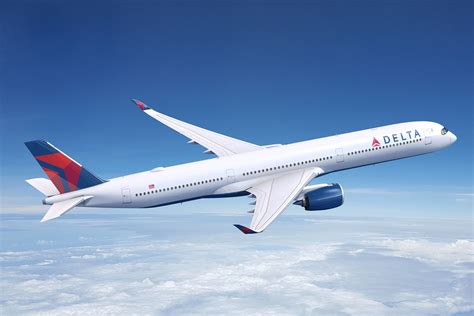
Delta will deploy its high-premium 275-seat Airbus A350-900 featuring 40 Delta One suites, 40 Premium Select seats, 36 Comfort+ seats, and 159 Main Cabin seats. The configuration clearly demonstrates the airline’s expectation that premium corporate travelers and connecting passengers will play an essential role in the route’s success.
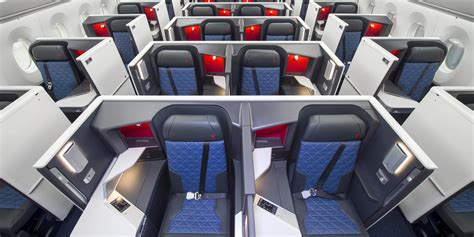
Interestingly, local passenger traffic between Atlanta and Riyadh remains relatively modest. Fewer than 5,000 round-trip travelers flew between the two cities during the previous year. However, Delta has successfully launched similar long-haul routes with limited local demand before, relying heavily on its extensive Atlanta hub to funnel passengers from across North America.
Connections from Los Angeles, San Francisco, Chicago, Dallas, Houston, and dozens of additional cities are expected to provide much of the route’s traffic. This hub-and-spoke strategy allows Delta to build viable long-haul services even when point-to-point demand remains comparatively small.
Los Angeles Continues Its International Growth
Delta’s return to Vancouver also highlights the airline’s broader ambitions for Los Angeles International Airport. OAG data indicates that 2026 will be Delta’s largest year ever at LAX in terms of available seats, surpassing its previous record established in 2019.
The Vancouver service represents Delta’s first nonstop Canada route from Los Angeles in roughly eight years. Once launched, the airport pair will feature six competing airlines: Air Canada, American Airlines, Delta Air Lines, Flair Airlines, United Airlines, and WestJet. Together, these carriers are expected to offer as many as ten daily departures between Southern California and Vancouver.
Although competition is intense, Delta clearly believes premium schedules, loyalty benefits, and seamless domestic connections through LAX will allow the route to attract both business and leisure travelers.
Network Expansion Balances Business And Leisure Demand
Beyond Riyadh and Vancouver, Delta’s remaining additions reveal a carefully balanced network strategy. Bermuda, Aruba, Liberia, and Tel Aviv each serve distinct passenger segments ranging from premium vacation travelers to visiting friends and relatives, while also supporting seasonal demand during the Northern Hemisphere winter.
Relocating Bermuda service from JFK to LaGuardia enhances convenience for New York-area travelers, Detroit gains a new Caribbean destination that complements its growing leisure portfolio, and Liberia strengthens Delta’s presence in Costa Rica’s popular Guanacaste region. Meanwhile, the return of Tel Aviv restores an important long-haul destination after previous operational suspensions.
Together, these routes demonstrate how Delta continues refining its international network by combining strategic long-haul investments with carefully selected leisure markets. Rather than relying solely on headline-grabbing destinations, the airline is building a diversified portfolio that leverages the strengths of its major hubs, premium fleet, and global partnerships. As these six nonstop routes enter service through late 2026, Delta will further expand its international footprint while offering travelers more direct options across North America, the Caribbean, Central America, the Middle East, and beyond.