Delta Air Lines has formally announced a bold and strategically significant expansion of its operations to India, a move that reflects both the nation’s soaring aviation demand and its pivotal role in the global economic landscape. The initiative marks Delta’s resumption of nonstop services between Atlanta and Delhi, reaffirming its commitment to reestablish direct air connectivity between North America and the Indian subcontinent. More importantly, this reintroduction of direct service is part of a much broader and multifaceted alliance that is set to reshape international air travel.
Delta Returns to India: Nonstop Flights from Atlanta to Delhi
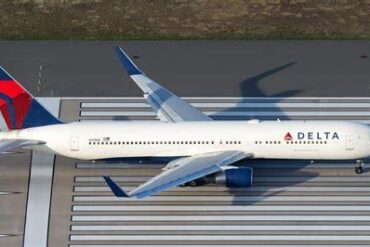
After a temporary suspension, Delta is preparing to relaunch direct nonstop flights from Atlanta to Delhi, subject to government approval. While a specific start date has not yet been released, the airline has made it clear that this route will become a cornerstone of its renewed focus on India.
This development comes as part of a sweeping initiative that aims to bridge one of the fastest-growing economies in the world with major economic and cultural hubs across North America and Europe.
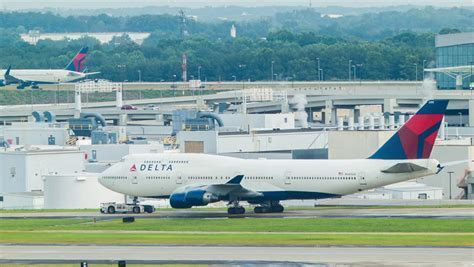
The route is more than just a flight path; it is a statement of Delta’s commitment to integrating India into its vast international network. The Atlanta–Delhi corridor is expected to cater to both leisure and business travelers, offering a critical lifeline for diasporic communities, global corporations, and government delegations.
A Transcontinental Powerhouse: The Delta-IndiGo-Air France-KLM-Virgin Atlantic Partnership
Delta’s India strategy hinges not only on its own aircraft and routes but also on an industry-leading airline partnership. By joining forces with IndiGo, Air France-KLM, and Virgin Atlantic, Delta is creating what may become one of the most comprehensive international air travel ecosystems in existence.
This alliance is designed to unlock massive synergies by leveraging the complementary strengths of each airline:
- Delta Air Lines: Dominant across the transatlantic and U.S. domestic markets
- IndiGo: India’s largest airline by market share with unparalleled domestic connectivity
- Air France-KLM: Key players in connecting European and global travelers
- Virgin Atlantic: Strong U.K. presence with deep ties to North American and Asian routes
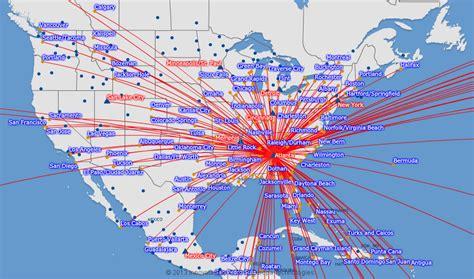
The collective goal is to link dozens of cities in India, Europe, and North America, thereby facilitating seamless transfers, coordinated schedules, and standardized services across carriers.
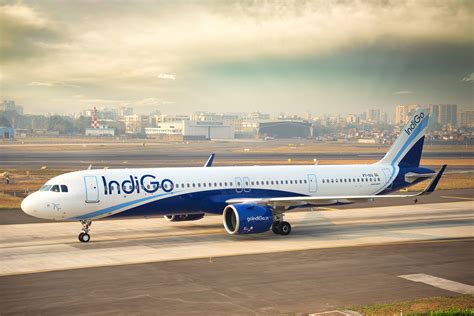
By tapping into IndiGo’s extensive domestic footprint, Delta can now offer passengers access to hundreds of Indian cities, including Tier 2 and Tier 3 destinations that were previously difficult to reach from the U.S. and Europe.
India’s Aviation Boom: Why Delta’s Timing Is Perfect
India is witnessing an unprecedented surge in air traffic. With an expanding middle class, rising disposable incomes, and a business-friendly environment, the country has emerged as one of the world’s fastest-growing aviation markets. Delta’s renewed interest comes at a time when demand for international travel to and from India is soaring.
The Indian government’s infrastructural investments in airport modernization and the introduction of pro-aviation policies have made the country increasingly attractive for global carriers. Delhi, Mumbai, Hyderabad, and Bengaluru are all witnessing record passenger volumes, and the upcoming Jewar Airport near Noida promises to add further capacity.
This climate has encouraged a renewed focus on global connectivity, where passengers expect not just flights, but an end-to-end travel experience encompassing baggage handling, onboard services, and consistent scheduling across partners.
Delta’s Strategic Vision: “More Connected, More Inclusive, More Accessible”
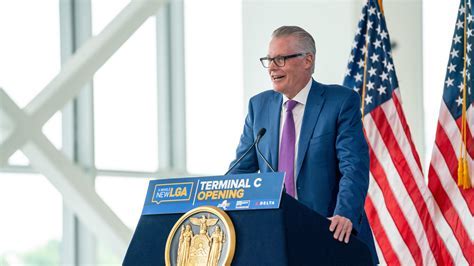
Delta CEO Ed Bastian emphasized the broader mission behind this announcement: to make international travel “more connected, more inclusive, and more accessible.” This slogan encapsulates not just geographical reach, but also a qualitative improvement in the passenger journey.
“Combining our strengths with those of IndiGo, Air France-KLM, and Virgin Atlantic will enable us to offer unparalleled connectivity and convenience,” Bastian noted. “We are ensuring that our customers enjoy the highest standards of service and reliability across the globe.”
These enhancements will likely include:
- Coordinated ticketing platforms for multi-airline itineraries
- Streamlined baggage transfers across different carriers
- Shared frequent flyer benefits and loyalty program integration
- Access to lounges and elite services in more airports worldwide
This integrated model aligns with Delta’s long-term strategy of consolidating global partnerships to offer a seamless and premium customer experience, regardless of which partner airline operates each leg of the journey.
The Technical Landscape: Infrastructure and Digital Integration
As part of this global partnership, all four airlines are investing in the technical backbone needed to make such a collaboration frictionless. That includes shared booking systems, synchronized flight schedules, and real-time communication protocols for passenger services.
Delta, for instance, is updating its own digital platform to accommodate real-time code-sharing with IndiGo and Virgin Atlantic. These backend enhancements ensure that a passenger traveling from, say, Raleigh to Raipur or Boston to Bhubaneswar experiences as little disruption or confusion as possible.
In addition, the airlines are working together on:
- Advanced AI-based route optimization
- Joint weather disruption protocols
- Data-sharing agreements to enhance passenger safety and convenience
This level of infrastructure integration is rarely seen in the aviation sector and positions Delta and its partners at the forefront of the global airline alliance trend.
Implications for Travelers: More Cities, More Convenience, More Value
For passengers, this new setup unlocks an entirely new realm of travel possibilities. A business traveler flying from San Francisco to Bengaluru or a tourist visiting Varanasi from New York will benefit from:
- Fewer layovers
- Lower total travel times
- One-stop ticketing across multiple carriers
- Improved baggage handling and rechecking procedures
- Access to elite lounges, meal options, and consistent customer service
Additionally, customers can now earn and redeem frequent flyer miles more easily across the full network, something that previously required separate bookings and lacked synergy.
Looking Forward: Delta’s Global Strategy and the Future of India Travel
The India expansion is part of a larger strategic realignment of Delta Air Lines, aimed at establishing its status not just as a U.S. powerhouse but as a true global aviation leader. With nearly 300 destinations across six continents, Delta is one of the few airlines positioned to orchestrate such an ambitious realignment.
And with India’s role on the world stage growing rapidly—be it through global tech investments, pharmaceutical exports, or diaspora engagement—connecting the country to the rest of the world has never been more important.
In a post-pandemic world where resilient air travel networks are essential to economic stability and growth, Delta’s move into India is not just smart business. It is a blueprint for what international aviation must look like in the 21st century.
Whether the traveler is a tech executive, a student, a family reunion attendee, or a cultural tourist, this initiative promises to redefine how the world reaches India—and how India reaches the world.