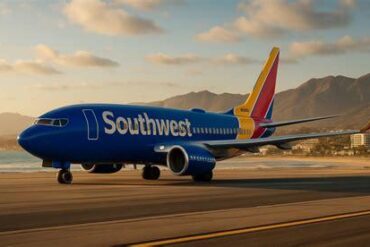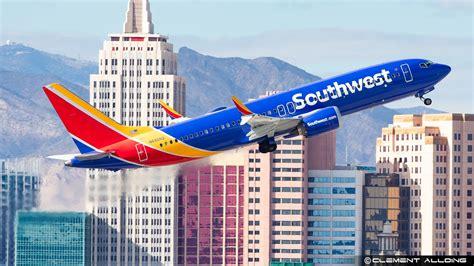
Nearly half of 2026 has already passed, but Southwest Airlines is only beginning one of its most notable network expansions of the year. Between August 2026 and February 2027, the Dallas-based carrier will introduce 23 new and returning nonstop routes, strengthening connectivity across the United States while adding two international destinations. The expansion reflects Southwest’s continued focus on underserved city pairs, leisure demand, and strategic opportunities in growing metropolitan markets.
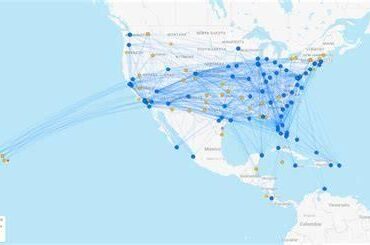
The latest additions include 21 domestic routes and two international services, linking 33 airports across a network spanning more than 28,500 route miles. While each route had previously been announced individually, the complete rollout illustrates a broader strategy aimed at reinforcing Southwest’s position in competitive markets while opening entirely new opportunities for travelers.
Rather than concentrating growth at a single hub, Southwest is spreading capacity across multiple focus cities, with particularly significant expansion from Austin, Nashville, Las Vegas, Long Beach, and Denver. The airline is also reviving several previously discontinued routes while introducing a handful of city pairs that have never enjoyed nonstop service.
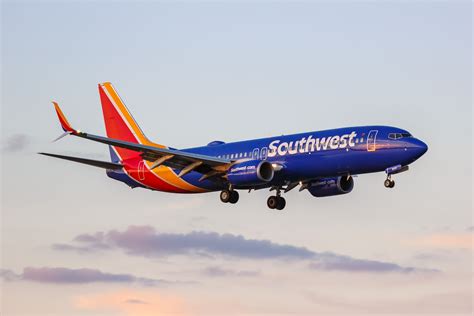
Southwest Airlines’ 23 New Nonstop Routes Launch Through February 2027
The rollout begins in early August before accelerating throughout October and November.
August 4, 2026
- Long Beach – Portland
- Long Beach – Seattle
- San Diego – Santa Barbara
August 8, 2026
- Burbank – Honolulu
September 24, 2026
- Austin – Knoxville
October 1, 2026
- Austin – Memphis
- Nashville – Manchester (New Hampshire)
- Nashville – Reno
- Las Vegas – Puerto Vallarta
- Las Vegas – San José, Costa Rica
October 3, 2026
- Austin – Destin/Fort Walton Beach
- Austin – Santa Rosa
November 21, 2026
- Denver – West Palm Beach
- Fort Lauderdale – San Diego
- Kansas City – San Francisco
- Orlando – San José, California
February 2027
- Pittsburgh – West Palm Beach
- Indianapolis – Fort Myers
- Manchester – Fort Myers
- Buffalo – Miami
- Rochester – Fort Lauderdale
- Providence – Sarasota
- Portland, Maine – Fort Myers
Austin Emerges as One of Southwest’s Fastest-Growing Focus Cities
Among all airports receiving new service, Austin-Bergstrom International Airport stands out as one of the biggest beneficiaries. Southwest is adding four new destinations from Austin, reinforcing its commitment to one of America’s fastest-growing metropolitan regions.
The carrier will introduce nonstop flights to Knoxville, Memphis, Destin-Fort Walton Beach, and Santa Rosa, significantly broadening options for both business and leisure travelers. Some of these markets will immediately face direct competition from rival airlines. Southwest will compete against Allegiant Air on the Knoxville route and Delta Air Lines on Memphis services, demonstrating confidence that demand remains strong enough to support multiple operators.
Austin has become an increasingly important strategic market as population growth, technology investment, and business relocation continue driving passenger traffic higher year after year.
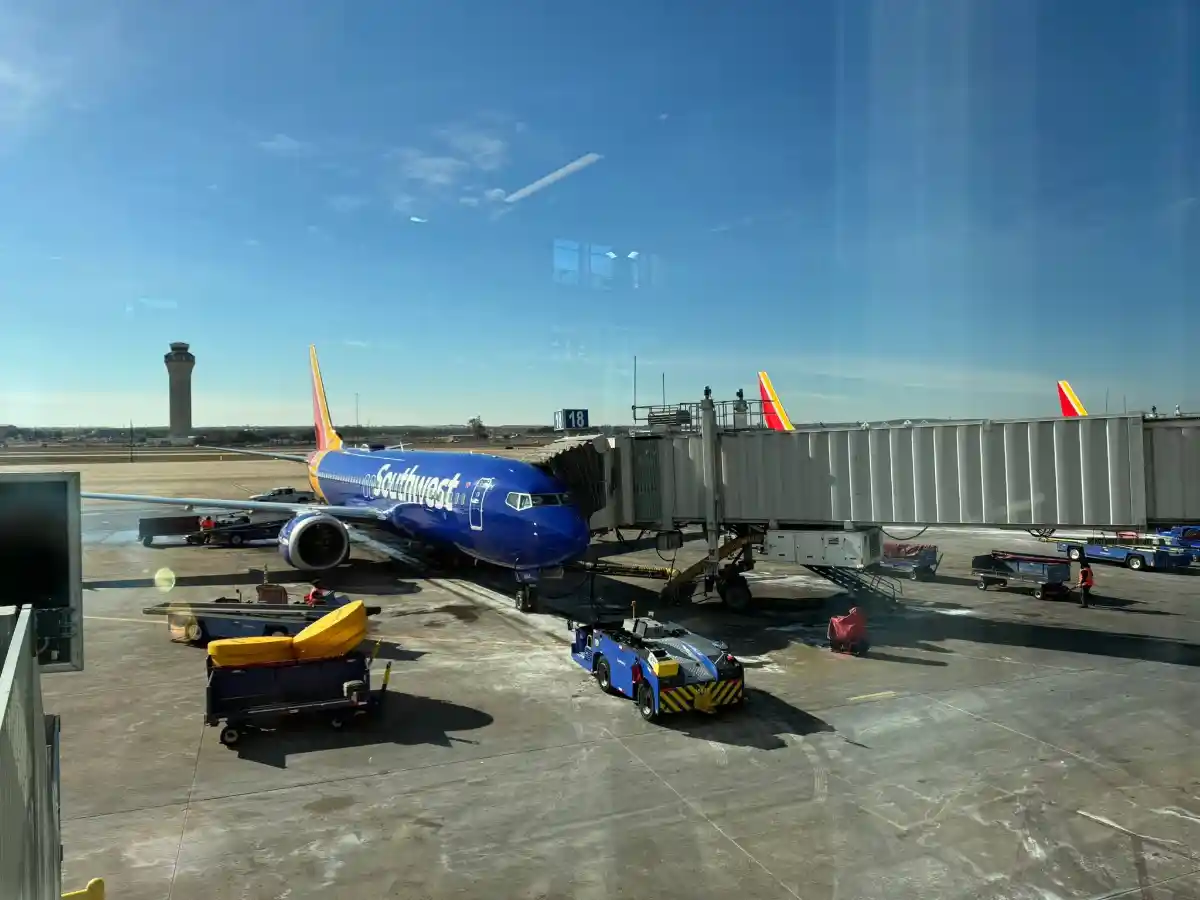
Most Routes Represent Strategic Returns Rather Than Entirely New Markets
Although the expansion appears extensive, only three routes are genuinely brand-new nonstop markets. The remaining additions either restore previously suspended service or reconnect destinations that Southwest served years ago.
Approximately 30% of the announced routes have historical precedent within Southwest’s own network. Examples include Austin–Memphis, Austin–Destin/Fort Walton Beach, Long Beach–Portland, Providence–Sarasota, Rochester–Fort Lauderdale, Orlando–San José, California, and Nashville–Manchester.
Reintroducing former routes allows Southwest to capitalize on existing customer awareness while reassessing markets that may now perform differently due to population shifts, tourism growth, and evolving travel habits. Aircraft availability, competitive dynamics, and stronger local economies likely contributed to the decision to revisit these city pairs.
Nashville Continues Growing Into a Powerful Connecting Hub
One particularly noteworthy return is Nashville–Manchester, which Southwest last operated roughly two decades ago.
Beginning October 1, travelers between Tennessee and New Hampshire will once again enjoy nonstop service, initially operating as frequently as once daily. Historically, Southwest offered up to two daily flights before discontinuing the route as network priorities shifted.
Today’s environment is considerably different. Nashville has evolved into one of Southwest’s largest and busiest focus airports, providing extensive onward connectivity throughout the airline’s domestic network. That makes the restored service considerably more attractive than when it previously existed.
Government passenger data indicates nearly 15,000 annual round-trip travelers already journey indirectly between Nashville and Manchester. Southwest already carries the majority of those passengers through connecting itineraries, meaning a nonstop option should prove particularly competitive.
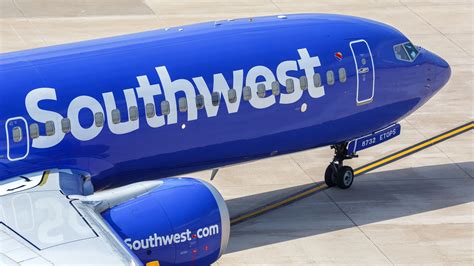
Three Brand-New Markets Highlight Future Growth Opportunities
Perhaps the most interesting additions are the three routes that have never previously enjoyed nonstop service.
Austin–Santa Rosa opens a direct link between Central Texas and California’s famous Wine Country. Nashville–Reno connects two rapidly expanding leisure markets that previously required connecting itineraries. Meanwhile, Las Vegas–San José, Costa Rica extends Southwest’s international footprint while providing a convenient nonstop option between two major tourism destinations.
The Nashville–Reno market is especially compelling. More than 45,000 passengers traveled indirectly between the cities during the previous year, making it one of Nashville’s largest unserved domestic markets. Southwest already transported nearly two-thirds of those travelers through connections, suggesting substantial existing customer demand that can now be captured with nonstop flights.
Competition Will Be Strong Across Much of the Expansion
Network analysis shows that 14 of the 23 new routes will face direct competition from at least one competing airline. Rather than avoiding contested markets, Southwest appears comfortable leveraging its brand recognition, extensive loyalty program, and high-frequency domestic network to attract travelers.
The remaining routes benefit from limited or nonexistent nonstop competition, allowing Southwest to stimulate demand while creating new travel opportunities that previously required inconvenient connections.
Collectively, these 23 nonstop additions reinforce Southwest Airlines’ long-term strategy of selectively expanding where passenger demand, operational flexibility, and network connectivity align. By combining restored favorites with entirely new city pairs and strengthening service from high-growth airports, the airline is positioning itself for continued expansion through 2027 while offering customers more nonstop choices than ever before.