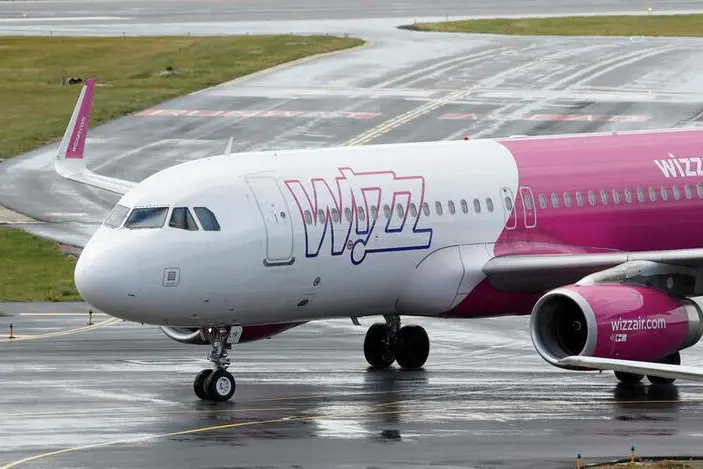
Poland, Slovakia, and the Czech Republic are at the center of Wizz Air’s latest network expansion, as the ultra-low-cost carrier introduces 19 new routes designed to strengthen connectivity between Central Europe and some of the continent’s most sought-after leisure destinations. The expansion reflects the airline’s broader strategy of building affordable travel options through regional airports while responding to growing demand for year-round holiday flights, winter sun escapes, alpine vacations, and emerging destinations in the Caucasus.
Rather than concentrating growth at major international hubs, Wizz Air is investing heavily in regional airports, giving millions of travelers easier access to direct flights without the inconvenience of connecting through larger, congested gateways. The newly announced services span 15 airports and cover nearly 30,000 network miles, reinforcing the carrier’s position as one of the fastest-growing airlines in Central and Eastern Europe.
The expansion also demonstrates how Wizz Air continues adapting its network to evolving travel patterns. Instead of focusing exclusively on traditional city-break destinations, the airline is prioritizing routes that combine affordability with seasonal demand, allowing travelers greater flexibility when planning holidays throughout the year.
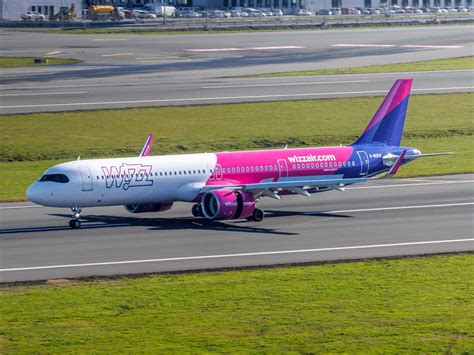
Wizz Air Places Poland at the Center of Its Growth Strategy
The largest share of the expansion belongs to Poland, which receives 15 of the 19 newly announced routes. Instead of relying primarily on Warsaw’s main international airport, Wizz Air is spreading capacity across several important regional gateways, including Gdańsk, Katowice, Wrocław, Kraków, Warsaw Modlin, and Warsaw Chopin.
This decentralized approach reflects years of investment in Poland, where the airline has steadily expanded its presence by offering competitive fares from cities outside the country’s capital. Regional airports frequently benefit from lower operating costs, reduced congestion, and faster aircraft turnaround times, all of which support Wizz Air’s ultra-low-cost business model.
For passengers, this strategy translates into shorter journeys to the airport, increased flight availability, and more direct international connections that previously required transfers through larger European hubs.
Egypt and Morocco Become the Biggest Winners
Perhaps the defining characteristic of the expansion is Wizz Air’s significant investment in North African leisure destinations. Multiple new routes will connect Polish cities with some of Egypt’s most popular Red Sea resorts, including Hurghada, Marsa Alam, and Sharm El Sheikh.
These destinations remain among Europe’s most attractive winter holiday markets thanks to their warm climate, year-round sunshine, extensive beach resorts, and internationally recognized diving locations. By increasing scheduled service instead of relying solely on traditional charter operations, Wizz Air provides travelers with greater flexibility to choose the length of their vacations rather than being limited to standard package-tour schedules.
Slovakia also becomes an important gateway to North Africa through Bratislava, where new twice-weekly flights to Hurghada and Agadir in Morocco are scheduled to begin during the winter season. The expansion strengthens competition in a market that has historically been dominated by package holiday operators while offering independent travelers considerably more options.
Alpine Ski Destinations Receive Major Boost
While sunshine destinations dominate much of the announcement, Wizz Air has also strengthened its position within Europe’s winter sports market. Turin Airport emerges as one of the biggest beneficiaries, receiving new services from Gdańsk, Katowice, Wrocław, and Prague.
Turin serves as one of northern Italy’s principal gateways to the Alps, making it an attractive arrival point for travelers heading toward internationally renowned ski resorts. Compared with several alpine airports that experience high seasonal fares, Turin offers a more affordable entry point while maintaining excellent transport connections into Italy’s mountain regions.
The new services appeal not only to skiers and snowboarders but also to travelers interested in winter sightseeing, Italian cuisine, and cultural tourism, broadening the destination’s appeal beyond the traditional ski season.
Expanding Eastward With New Caucasus Connectivity
Another notable addition is the introduction of direct flights between Bratislava and Baku, Azerbaijan’s rapidly developing capital on the Caspian Sea.
The twice-weekly service highlights Wizz Air’s continued ambition to expand beyond Western Europe by connecting Central European cities with destinations across the Caucasus and neighboring regions. Baku has steadily gained recognition for its distinctive combination of historic architecture, modern skyscrapers, coastal attractions, and growing tourism sector.
By adding Azerbaijan to its expanding network, Wizz Air offers travelers an alternative to conventional European city breaks while strengthening commercial and tourism links between Central Europe and the wider region.
Regional Airports Drive the Ultra-Low-Cost Model
One of the most significant aspects of the expansion is Wizz Air’s continued preference for regional airports over heavily congested metropolitan hubs.
Airports such as Katowice, Gdańsk, Warsaw Modlin, and Wrocław are receiving multiple new services, reinforcing their role as international leisure gateways rather than simply domestic transportation centers. Lower airport charges, greater slot availability, and operational efficiency allow the airline to maintain lower fares while operating a growing schedule.
For passengers, regional airports often provide shorter security queues, easier parking, and faster boarding processes. For local economies, additional international routes stimulate tourism, create employment opportunities, and improve business connectivity throughout surrounding regions.
Expansion Backed by Record Operational Growth
The network announcement arrives during a period of remarkable operational expansion for Wizz Air. The airline recently celebrated operating 1,200 flights in a single day, demonstrating both the scale of its fleet and sustained passenger demand across its European network.
Supporting this rapid growth is a fleet of 267 modern aircraft, allowing the airline to continually introduce new routes while maintaining high aircraft utilization. Combined with its expanding route map, Wizz Air has established a 25.3% market share across Central and Eastern Europe, making it one of the region’s dominant low-cost carriers.
Its network has also surpassed 1,000 active routes, illustrating how rapidly the airline has expanded beyond its original markets into destinations throughout Europe, North Africa, and the Middle East.
Strategic Route Planning Reflects Changing Travel Demand
Rather than pursuing expansion for its own sake, Wizz Air’s latest announcement reveals a carefully balanced strategy that combines leisure destinations, adventure tourism, cultural travel, and city connectivity.
North African beach resorts satisfy growing winter holiday demand, while Turin supports seasonal ski traffic. Lyon offers access to both one of France’s leading culinary destinations and the French Alps, whereas Baku opens an entirely different tourism segment focused on culture and regional exploration.
This diversified approach reduces dependence on any single travel market while allowing the airline to capture demand across multiple traveler categories throughout the year.
Wizz Air Strengthens Its Competitive Position Across Europe
The introduction of 19 new routes represents far more than a routine schedule update. It reinforces Wizz Air’s long-term strategy of expanding through regional airports, increasing direct international connectivity, and making affordable air travel accessible to travelers outside Europe’s largest capital cities.
By emphasizing secondary airports, winter sun destinations, alpine gateways, and emerging international markets, the airline continues distinguishing itself within Europe’s highly competitive low-cost sector. As passenger demand remains strong and fleet growth continues, these newly announced services further strengthen Wizz Air’s position as one of the region’s most aggressive network builders.
For travelers across Poland, Slovakia, and the Czech Republic, the expansion brings a wider choice of destinations, increased scheduling flexibility, and more opportunities to travel directly without relying on expensive or congested connecting hubs. As these routes begin launching throughout the upcoming seasons, Wizz Air is set to further reshape the travel landscape across Central and Eastern Europe while extending its reach into some of the fastest-growing leisure markets beyond the continent.