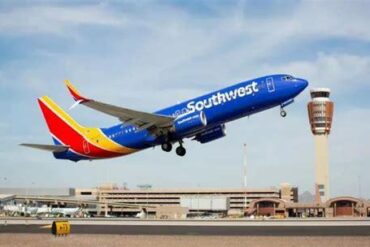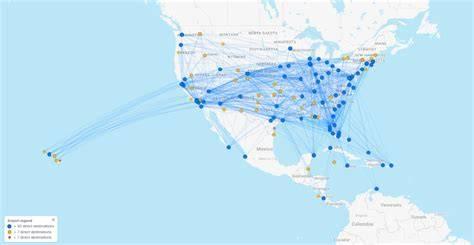
Southwest Airlines is making a major move to strengthen its network with the announcement of 25 new and returning nonstop routes. The expansion introduces fresh connections across the United States while also adding new international opportunities, reflecting the airline’s strategy of improving connectivity, increasing customer choices, and supporting growing travel demand.
The schedule update highlights a changing approach from Southwest, which has traditionally focused on point-to-point service but is increasingly building a network that supports connecting passengers. The airline’s latest additions include 22 domestic routes and three international routes, covering popular leisure destinations, emerging business markets, and strategically important connecting airports.
The expansion comes during a period of significant network adjustments across the US airline industry. While competitors such as Delta Air Lines, United Airlines, and JetBlue continue modifying their international and domestic operations, Southwest is using new routes to capture additional market opportunities and improve the usefulness of its existing airport presence.
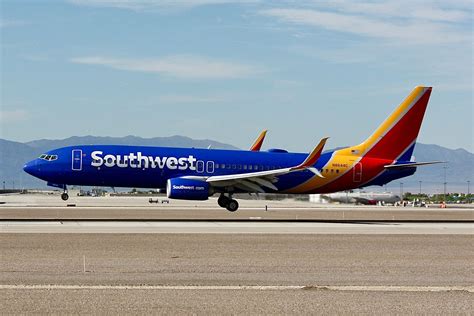
Southwest Airlines Adds 22 New Domestic Routes
The largest part of Southwest’s expansion involves 22 domestic routes connecting 34 airports. These services will begin primarily in March 2027, with some routes operating daily while others focus on seasonal travel periods such as spring break.
Among the most notable additions is the short-distance route between Baltimore/Washington International Thurgood Marshall Airport (BWI) and Philadelphia International Airport (PHL). Covering only around 78 nautical miles (144 kilometers), this route stands out because it is not designed primarily for local travelers. Instead, it supports Southwest’s growing focus on connecting passengers through major network airports.
BWI is one of Southwest’s most important operating bases, offering extensive domestic coverage. By adding a short shuttle-style service to Philadelphia, Southwest can provide additional connection opportunities for travelers who need access to PHL markets while maintaining operational flexibility.
The airline is also expanding service from important growth markets such as Nashville International Airport (BNA). Three new routes from Nashville will connect the city with Des Moines, Wichita, and St. Thomas in the US Virgin Islands. These additions highlight Nashville’s increasing importance within Southwest’s network strategy.
According to schedule analysis using Cirium Diio data, more than half of the domestic additions have not previously been operated by Southwest. Even more significantly, some markets have never had nonstop service from any airline before, creating entirely new travel options for passengers.
The complete domestic expansion includes routes such as:
- Boise to Los Angeles
- Dallas Love Field to Detroit
- Detroit to Austin
- Las Vegas to Boston
- Las Vegas to Miami
- New York LaGuardia to Orlando
- Orlando to Pensacola
- Richmond to Tampa
- Indianapolis to Destin-Fort Walton Beach
- San Diego to Kona and Lihue
These routes demonstrate Southwest’s balanced approach between large metropolitan markets and leisure-focused destinations.
Strategic Growth Through Leisure and Connection Markets
Southwest’s latest network expansion reflects a broader industry trend: airlines are increasingly targeting markets where they can combine local demand with connecting traffic.
Traditional airline networks often rely on major hubs, but Southwest’s model has always been more flexible. The carrier does not operate a traditional hub-and-spoke structure, yet it has increasingly positioned major airports such as Baltimore, Nashville, Las Vegas, and Orlando as important connection points.
The addition of short routes like BWI to PHL shows how airlines are rethinking regional connectivity. A flight that appears unnecessary based only on distance can still provide significant value when it allows passengers to transfer efficiently between markets.

The BWI-PHL market previously served passengers through other carriers, including American Eagle operations that supported Philadelphia’s former US Airways hub network. Historical data shows that the route once had multiple daily departures, demonstrating that short regional links can remain valuable when they support larger network structures.
Passenger demand also exists between the two metropolitan areas. Government transportation data indicates that thousands of travelers have historically flown between airports serving the Washington DC and Philadelphia regions, proving that even short-distance air services can attract customers.
Southwest Introduces Three New International Routes
Beyond domestic growth, Southwest is also expanding internationally with three new nonstop services. These routes strengthen the airline’s presence in popular vacation markets and create new opportunities for travelers seeking direct access to international destinations.
The most significant addition is the route between Austin-Bergstrom International Airport (AUS) and San José, Costa Rica. Beginning March 13, Southwest will become the first airline to provide nonstop service between these markets.
The Saturday-only service will operate using a Boeing 737 MAX 8, with flights departing Austin in the morning and returning from Costa Rica in the evening. The route represents an important opportunity because Austin has been one of the largest US markets without nonstop service to Costa Rica’s capital city.
Southwest will also launch Nashville to Aruba service, creating a new leisure connection between Tennessee and the Caribbean destination. This route has additional significance because the market previously lacked nonstop service from any airline.
Another international addition connects Columbus, Ohio, with Punta Cana in the Dominican Republic. Although the market previously had service many years ago, Southwest’s launch will restore a direct connection for travelers seeking Caribbean vacations.
Southwest’s Network Strategy Enters a New Phase
The introduction of 25 new routes shows that Southwest Airlines is adapting its network strategy to changing passenger behavior. The airline is not simply adding flights between major cities; it is identifying opportunities where new services can improve connectivity, support tourism, and strengthen its competitive position.
The combination of domestic growth, international leisure routes, and unusual short-distance connections demonstrates a flexible approach to network planning. Southwest is using its large Boeing 737 fleet and established airport presence to create more travel options while responding to shifting market demand.
As airlines continue adjusting after years of industry changes, Southwest’s expansion highlights the importance of network efficiency and customer convenience. These new routes represent more than additional flights; they show how the carrier is reshaping its operations for a more connected aviation market.