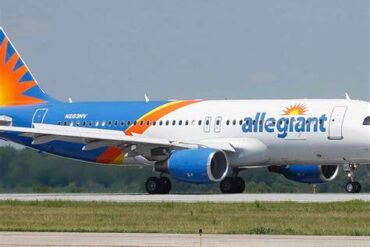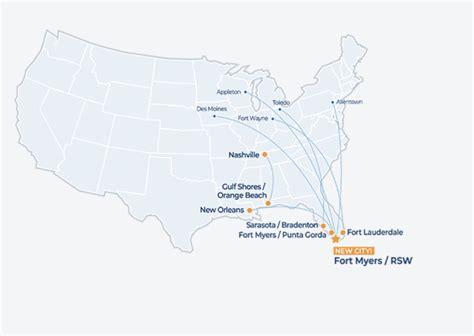
Allegiant Air is set to launch seven new nonstop routes across Florida next week, expanding its network from Fort Lauderdale, Orlando Sanford, St. Pete-Clearwater and Punta Gorda. The first flights are scheduled for October 1, with the remaining services beginning on October 2. Together, the additions connect Florida with Boston, Pittsburgh, Omaha, Kansas City, Philadelphia, Trenton and La Crosse, creating a notable expansion just as the US low-cost airline market continues to change.
The seven routes form the largest portion of an eight-route package announced by Allegiant in May. The only route not included in next week’s launch is St. Pete-Clearwater International Airport to Columbia, Missouri, which is scheduled to begin on November 19. When the full package is eventually operating, Allegiant will have added another layer to its strategy of linking Florida leisure destinations with smaller and mid-sized cities that often have fewer nonstop options.
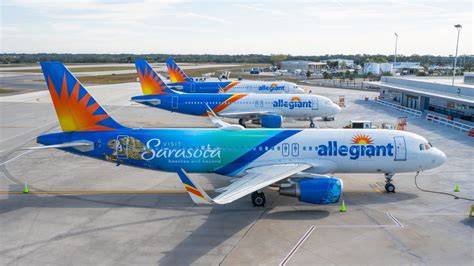
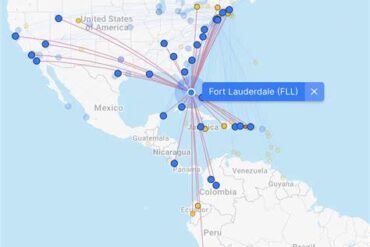
The expansion is particularly significant at Fort Lauderdale-Hollywood International Airport (FLL). Four of the seven new routes will operate from Fort Lauderdale, and their arrival will push Allegiant to approximately 100 weekly departures from FLL in October. That would make the airport the carrier’s sixth-largest station by weekly departures, a major change from its earlier role as a relatively small part of Allegiant’s Florida network.
Allegiant’s 7 New Florida Routes Begin in October
The first launch arrives on October 1, when Allegiant begins flying between Fort Lauderdale and Boston Logan International Airport, while the airline also starts service between Punta Gorda and La Crosse. A day later, on October 2, flights begin from Fort Lauderdale to Pittsburgh, Omaha and Kansas City. The same day brings new service from St. Pete-Clearwater to Philadelphia and from Orlando Sanford to Trenton.
The schedules are deliberately limited in frequency. Boston and Pittsburgh will operate three times weekly, while the other five routes are scheduled twice weekly. This low-frequency approach is central to Allegiant’s business model because it allows the airline to connect leisure markets without requiring the same level of aircraft utilization and daily demand needed for traditional high-frequency service.
The seven routes collectively span 11 airports and 7,945 network miles, according to the schedule data cited in the source material. The pattern is clear: Allegiant is not attempting to build a conventional hub operation. Instead, it is creating direct links between markets where travelers may otherwise need a connection through a much larger airport.
Drew Wells, Allegiant’s Chief Commercial Officer, said the airline focuses on communities that can be overlooked by larger carriers. The company has positioned the new services as a way to maintain access to affordable nonstop travel while the broader US airline industry undergoes significant changes.
Fort Lauderdale Becomes a Major Allegiant Growth Market
Fort Lauderdale accounts for four of the seven new routes, giving the expansion a particularly strong FLL focus. Allegiant will operate three weekly flights to Boston and Pittsburgh, plus two weekly flights to Omaha and Kansas City. None of the four airport pairs was previously served by Allegiant, although each already has direct competition.
Boston is served by Delta and JetBlue, while Pittsburgh has service from JetBlue and Southwest. Southwest also competes on the Omaha and Kansas City markets. Allegiant is therefore entering established markets rather than relying exclusively on airports where it has no direct competition.
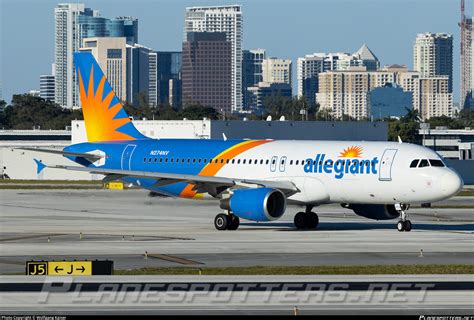
The scale of Allegiant’s Fort Lauderdale operation helps explain that decision. Cirium schedules for the first week of October show 30 destinations and exactly 100 weekly departures from FLL. That puts the airport behind Orlando Sanford, St. Pete-Clearwater, Las Vegas, Punta Gorda and Phoenix-Mesa in Allegiant’s network by weekly departures, but ahead of several other established stations.
US Department of Transportation data also points to rapid growth. Allegiant carried 30% more passengers to and from Fort Lauderdale during the first half of 2026 than during the same period of 2025. The new routes will add another ten weekly departures, giving the carrier more capacity in one of South Florida’s largest air travel markets.
The timing is also notable because Allegiant announced these routes only weeks after Spirit Airlines ceased operations in May. Spirit had previously served Fort Lauderdale to Boston, Pittsburgh and Kansas City, meaning Allegiant is entering three markets where capacity had recently changed. Rather than simply recreating Spirit’s former network, however, Allegiant is applying its own lower-frequency model.
The Other Three Routes Follow Allegiant’s Traditional Strategy
The remaining three routes are more closely aligned with Allegiant’s established Florida formula. Each connects one of the airline’s important Florida airports with a northern destination, and each operates only twice weekly. More importantly, none has another airline operating the exact same airport pair.
The Punta Gorda–La Crosse route is perhaps the most distinctive. La Crosse Regional Airport has traditionally depended heavily on its connections with Chicago O’Hare, including multiple daily flights operated by American Airlines. Allegiant’s new service introduces a nonstop link to Southwest Florida, giving La Crosse passengers a direct alternative for reaching the Punta Gorda region.

The Orlando Sanford–Trenton route represents a return rather than a completely new market for Allegiant. The airline previously operated the route between 2016 and 2017 and is now restoring it. Frontier serves Trenton from Orlando International Airport, but Allegiant’s use of Sanford creates a different airport option for travelers heading between Central Florida and New Jersey.
The St. Pete-Clearwater–Philadelphia route follows a similar secondary-airport strategy. Allegiant has not previously operated this specific airport pair, although USA3000 Airways served it in 2008. Philadelphia and Tampa already have substantial airline connectivity, with American, Southwest and Frontier serving Tampa–Philadelphia. Allegiant instead uses PIE to target the wider Tampa Bay leisure market without operating from Tampa International Airport.
What the Seven Routes Mean for Allegiant’s Florida Network
Taken together, the seven launches reveal two distinct sides of Allegiant’s Florida expansion strategy. Fort Lauderdale represents the carrier’s willingness to enter competitive, high-demand markets where passenger volumes can support additional nonstop service. Punta Gorda, Sanford and St. Pete-Clearwater demonstrate the more familiar Allegiant approach of connecting secondary airports with underserved origin cities.
That distinction is important because Allegiant has continued adding routes while also removing others. The airline has announced numerous Florida additions during 2026, but it has also trimmed routes that were seasonal, short-lived or no longer attractive. Its network therefore changes continuously rather than growing in a simple, permanent direction.
The seven October launches fit that model. Their twice-weekly and three-times-weekly schedules allow Allegiant to test demand while keeping capacity relatively flexible. For passengers, the immediate result is straightforward: seven new nonstop options are arriving across Florida, while the airline continues to expand its presence at both major and secondary airports.
With the October additions, Fort Lauderdale reaches 100 weekly Allegiant departures, and the carrier strengthens its position at some of Florida’s most important leisure airports. The final piece of the May expansion package, St. Pete-Clearwater to Columbia, Missouri, will follow in November. For now, October’s seven launches mark another substantial step in Allegiant’s rapidly changing Florida network.