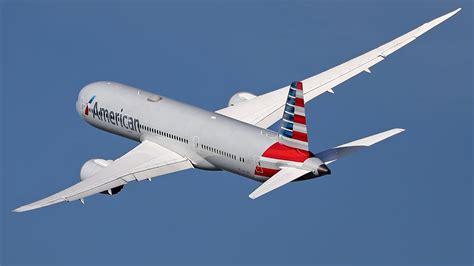
American Airlines is preparing for one of its most significant European expansions in recent years as the carrier launches four new transatlantic routes next week, strengthening its long-haul network from both Dallas/Fort Worth and Philadelphia. The expansion reflects the airline’s aggressive push into international travel markets at a time when demand for Europe-bound flights from the United States continues to surge ahead of the peak summer season.
While many US airlines have reduced portions of their domestic and regional operations amid operational costs and fuel price concerns, international flying remains a major growth engine. American Airlines is leaning heavily into that trend, restoring previously suspended European services while also unveiling a completely new destination from its largest hub in Texas.
The new services will connect travelers to Athens, Zurich, Budapest, and Prague, giving American Airlines a stronger foothold in some of Europe’s most popular tourism and business markets during the busy IATA summer schedule.
After years of network recalibration following the pandemic, the carrier is once again betting on premium long-haul travel demand, particularly across the Atlantic, where competition among US airlines has intensified dramatically in 2026.
Dallas Fort Worth Gains New Nonstop Flights To Athens And Zurich
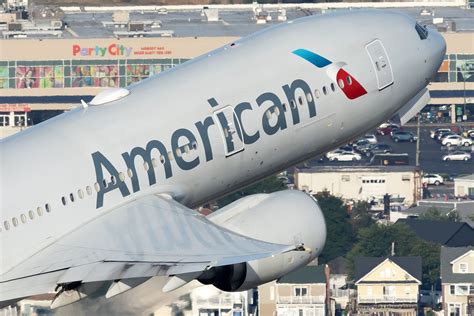
American Airlines is significantly boosting the international profile of Dallas/Fort Worth International Airport with two new nonstop European services launching next week. The airline will begin daily flights from DFW to Athens International Airport in Greece and Zurich Airport in Switzerland, using its long-haul Boeing 777 fleet.
The Athens route represents an especially important milestone because it marks a completely new destination for American Airlines from Dallas. Greece has experienced a sustained tourism boom over the past several summers, with American travelers driving record demand to Mediterranean destinations. By launching direct flights from Texas, the airline is positioning itself to capture travelers from across the southern and central United States without requiring connections through East Coast gateways.
Flights between Dallas and Athens will be operated using the Boeing 777-300ER, one of the airline’s flagship international aircraft. The route will depart Dallas in the afternoon and arrive in Greece the following morning, creating an efficient overnight connection for leisure travelers heading toward the Greek islands and wider Mediterranean region.
Zurich, meanwhile, returns to American Airlines’ Dallas network after nearly two decades. The carrier last served the Swiss financial hub from DFW in 2007, making the reinstatement a notable comeback route within the airline’s European strategy.
The Dallas–Zurich service will utilize the Boeing 777-200ER and is expected to attract a mix of corporate travelers, financial sector passengers, and premium leisure demand. Switzerland continues to remain one of Europe’s strongest premium travel markets due to its banking sector, luxury tourism appeal, and central geographic position within the continent.
Philadelphia Strengthens Its Role As American Airlines’ European Gateway
On the East Coast, Philadelphia International Airport is once again becoming a critical launch point for American Airlines’ European ambitions. The carrier will introduce two additional seasonal routes from Philadelphia to Central Europe, restoring nonstop service to Budapest and Prague for the first time since 2019.
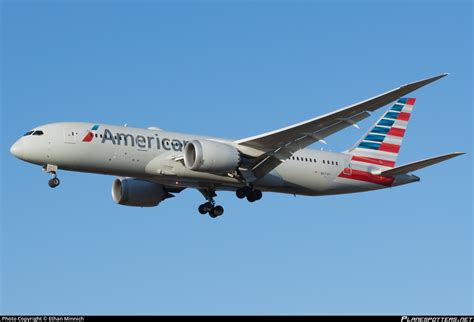
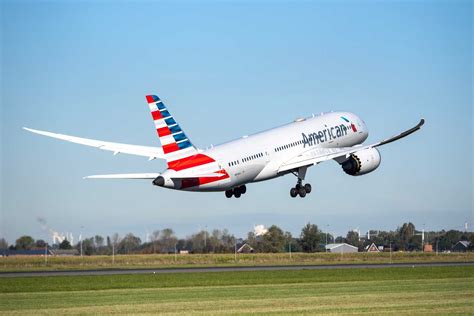
Both routes will operate daily using Boeing 787-8 Dreamliner aircraft throughout the summer travel season. The flights are currently scheduled to continue until early October, aligning with strong seasonal demand patterns across Europe.
Philadelphia has long served as one of American Airlines’ most strategically important hubs for transatlantic operations due to its geographic location and efficient connectivity. The airport allows the carrier to funnel passengers from dozens of North American cities onto European departures with relatively short connection times.
The return of Budapest and Prague signals renewed confidence in Central European travel demand, particularly as tourism across the region continues recovering rapidly. Prague remains one of Europe’s most visited historic capitals, while Budapest has emerged as a fast-growing destination for both luxury tourism and digital nomad travel.
Notably, American Airlines will face no direct competition on either route this summer. The airline will be the sole operator between Philadelphia and both cities, giving it exclusive access to these nonstop markets from the United States.
American Airlines Joins Wider Transatlantic Expansion Boom
The latest route additions come during an unprecedented period of transatlantic growth among major US carriers. American Airlines, Delta Air Lines, and United Airlines are all dramatically expanding their European schedules for the summer season, capitalizing on sustained international demand despite economic uncertainty and fuel market volatility.
Industry schedule data indicates that US airlines are collectively operating more than 600 weekly flights to approximately 30 European countries this summer. Airlines are increasingly prioritizing long-haul profitability as premium international cabins continue generating stronger yields compared to domestic markets.
Among the three largest US carriers, United Airlines currently maintains the largest European footprint, serving dozens of destinations across the continent. Delta is also aggressively expanding from both East Coast and West Coast hubs, intensifying competition on key international corridors.
American Airlines’ strategy appears more targeted, focusing on restoring high-demand seasonal destinations while selectively introducing underserved routes with strong premium and leisure potential.
The addition of Athens is especially notable because Greece has become one of the strongest-performing European tourism markets for North American travelers since international travel rebounded. Meanwhile, Zurich continues to attract stable business traffic alongside luxury tourism demand.
Boeing Widebody Fleet Plays Key Role In Expansion
The route expansion also highlights the growing importance of American Airlines’ widebody fleet modernization strategy. The airline is deploying a combination of Boeing 777 and Boeing 787 aircraft across the new services, allowing it to tailor capacity based on market demand and route economics.
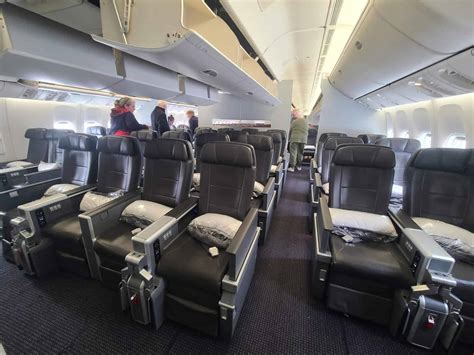
The Boeing 777-300ER assigned to Athens offers one of the carrier’s most premium-heavy cabin configurations, including Flagship Business Class suites and premium economy seating designed for long-haul international travelers. Meanwhile, the Boeing 787-8 Dreamliner used on the Prague and Budapest routes delivers improved fuel efficiency and passenger comfort on thinner long-haul markets.
As airlines continue facing fluctuating fuel prices, modern widebody aircraft are becoming increasingly critical to maintaining profitable international operations. Fuel-efficient aircraft enable carriers to sustain long-distance routes even during periods of economic uncertainty.
Europe Remains The Centerpiece Of Summer Airline Competition
With summer travel demand reaching new highs, Europe has become the centerpiece of competition among global airlines seeking lucrative long-haul revenue. American Airlines’ four-route expansion demonstrates how aggressively carriers are pursuing transatlantic opportunities despite broader economic pressures affecting aviation.
The combination of restored routes, exclusive nonstop markets, and premium-focused aircraft deployment suggests that American Airlines sees substantial long-term potential in Europe-bound travel demand.
For passengers, the expansion creates more direct access to some of Europe’s most sought-after destinations while reducing reliance on connections through crowded international gateways. For American Airlines, the new routes represent another major step in rebuilding and expanding its international network for the post-pandemic travel era.