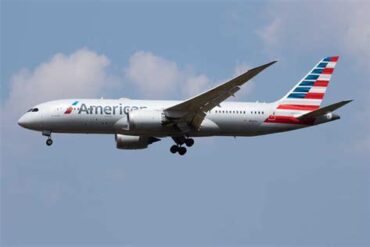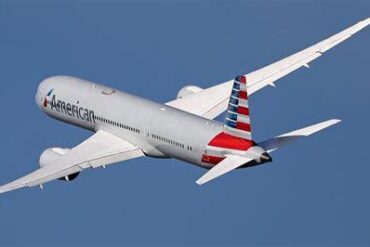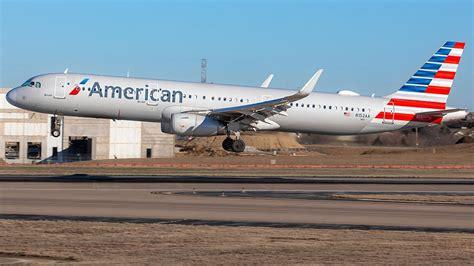
American Airlines is preparing to reshape winter transatlantic travel with the introduction of four new Airbus A321XLR routes linking the United States to Europe. The Fort Worth-based carrier will deploy its newest long-range narrowbody aircraft on services connecting the U.S. with Amsterdam, Barcelona, Edinburgh, and Lisbon, marking a strategic shift toward more flexible and efficient long-haul operations.
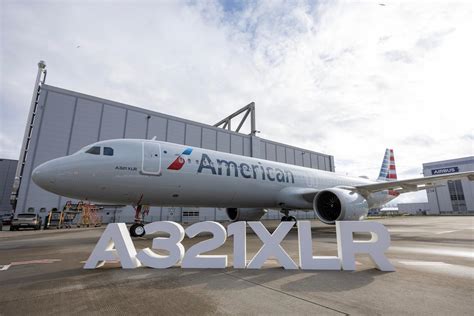
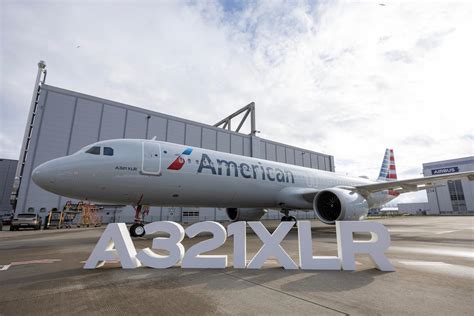
The airline has become the first North American operator of the Airbus A321XLR, an aircraft designed to stretch the limits of narrowbody flying. With dramatically improved range and operating economics, the jet allows airlines to launch international routes that previously struggled to justify larger widebody aircraft during lower-demand seasons.
For American Airlines, the strategy is simple: right-size capacity while expanding global connectivity. Instead of flying half-empty widebodies during the quieter winter months, the airline can now deploy a smaller aircraft capable of crossing the Atlantic efficiently while still offering premium long-haul amenities.
Barcelona Becomes a Year-Round Destination From New York
One of the most notable network changes involves New York John F. Kennedy International Airport and Barcelona–El Prat Airport. American Airlines will extend its previously seasonal route between the two cities into a year-round daily service, maintaining operations even through the slower winter travel season.
Historically, routes like New York–Barcelona experienced strong demand during summer but softened significantly in winter. The economics of operating a large widebody aircraft made continuous service difficult. The A321XLR changes that equation by lowering operating costs while maintaining transatlantic capability.
Passengers will still experience a premium international product, even though the aircraft is smaller. The new route structure also strengthens American’s competitive position against European carriers that have increasingly targeted transatlantic leisure destinations from major U.S. gateways.
This move signals a broader industry shift where long-range narrowbodies enable airlines to maintain continuity in routes that previously fluctuated seasonally.
Philadelphia to Amsterdam: A Seasonal Narrowbody Experiment
Another major deployment will connect Philadelphia International Airport with Amsterdam Schiphol Airport, one of Europe’s most important aviation hubs.
Beginning February 25 and continuing through March 27, the A321XLR will operate the route during the late winter period when passenger demand typically dips. Under traditional scheduling models, airlines often reduce frequencies or temporarily suspend routes during these weeks. American instead plans to maintain connectivity using a smaller aircraft.
Philadelphia remains a critical European gateway for American Airlines, serving as a key transatlantic hub in its network. The shift to the A321XLR allows the airline to preserve year-round access to Amsterdam without committing the higher costs associated with widebody operations.
From a strategic standpoint, this approach demonstrates how fleet diversification enables more precise capacity planning—a capability increasingly important as airlines seek to balance profitability with network growth.
Edinburgh Gains Extended Seasonal Service
Scotland’s capital is also part of the expansion. American Airlines will operate the Airbus A321XLR between Philadelphia and Edinburgh Airport from October 25 through January 5, extending the typical seasonal window for the route.
Demand for direct flights between North America and Scotland has grown steadily in recent years, fueled by tourism, business travel, and strong cultural ties between the regions. Edinburgh has become one of the most attractive destinations for U.S. travelers seeking historic architecture, festivals, and access to the Scottish Highlands.
The extended schedule complements American’s broader transatlantic strategy, which also includes plans to launch widebody seasonal flights from New York JFK to Edinburgh in 2026. By combining narrowbody and widebody service, the airline can adjust capacity depending on seasonal demand while preserving a consistent route presence.
Lisbon Sees Winter Capacity Adjustment
Portugal’s capital city will also welcome the new aircraft. American Airlines plans to operate the Philadelphia–Lisbon route with the A321XLR between January 5 and February 25, replacing the widebody aircraft typically used during busier travel periods.
Lisbon has become one of Europe’s fastest-growing tourism destinations over the past decade. Even so, winter demand tends to be lower compared with peak summer travel. Deploying the A321XLR allows the airline to maintain year-round connectivity while matching capacity to seasonal demand.
For passengers, the experience will remain consistent with long-haul standards despite the aircraft’s narrower fuselage. The A321XLR was specifically designed to support flights lasting up to 11 hours, making it well suited for transatlantic missions such as those connecting the U.S. East Coast and Western Europe.
Inside the Airbus A321XLR Cabin Experience
American Airlines has configured its Airbus A321XLR with 155 seats across four classes, blending long-haul comfort with the efficiency of a narrowbody aircraft.
The cabin layout includes:
- 20 Flagship Suite business-class seats
- 12 Premium Economy seats
- 12 Main Cabin Extra seats
- 111 Main Cabin seats
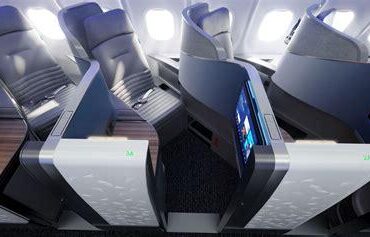
The Flagship Suite represents the airline’s newest premium product. Each seat offers a fully lie-flat bed, a closing privacy door, and direct aisle access. Passengers departing from New York JFK also gain entry to the airline’s Greenwich Lounge, providing a high-end pre-departure experience.
Premium Economy passengers benefit from winged headrests, calf and footrests, wireless charging, and upgraded meal service. Amenity kits include premium skincare products, an Ostrich pillow, and a crepe-weave blanket designed for overnight flights.
Even in economy class, the cabin reflects a modern long-haul design. Seats feature 18-inch widths, five inches of recline, multiple power outlets, and 11.6-inch 4K seatback entertainment screens—a significant upgrade over typical narrowbody cabins.
A Fleet That Could Reshape Transatlantic Travel
American Airlines currently operates two Airbus A321XLR aircraft, with 38 expected to join the fleet in the coming years. As deliveries accelerate, the aircraft will likely unlock additional international routes beyond Europe.
The significance extends beyond a single airline. The A321XLR introduces a new operational category: long-haul narrowbody flights capable of linking smaller city pairs across oceans. Airlines can experiment with routes that previously lacked sufficient demand for widebody jets.
If the model proves successful, travelers may soon see more direct international flights between secondary cities, reducing the need for large hub connections and fundamentally reshaping the transatlantic network.
For American Airlines, the four new European routes represent the opening chapter of that transformation—one where smaller aircraft create bigger possibilities across the Atlantic.