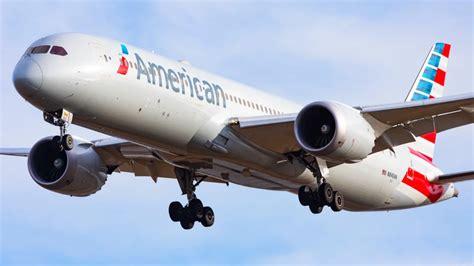
American Airlines has unveiled a bold expansion strategy for 2026, announcing 15 new domestic routes that signal a renewed commitment to regional connectivity and global access. The move aims to bring smaller American cities closer to major international destinations via strategic additions to the carrier’s already extensive network. As the travel industry anticipates post-pandemic resurgence, American’s aggressive route growth is poised to reshape accessibility for underserved markets across the country.
Strategic Expansion Anchored by Five Major Hubs
The new routes span year-round and seasonal services, largely departing from five of American’s major hubs: Charlotte (CLT), Chicago O’Hare (ORD), Dallas/Fort Worth (DFW), Miami (MIA), and Phoenix (PHX). These key nodes will serve as vital conduits for passengers from smaller markets to reach both domestic and international destinations.
Chicago O’Hare sees significant expansion, including new connections to Lincoln, Nebraska, Erie, Pennsylvania, and Tri-Cities, Tennessee. Of particular note is Lincoln Airport’s inclusion in American’s network for the first time, marking it as the airline’s 240th U.S. destination.
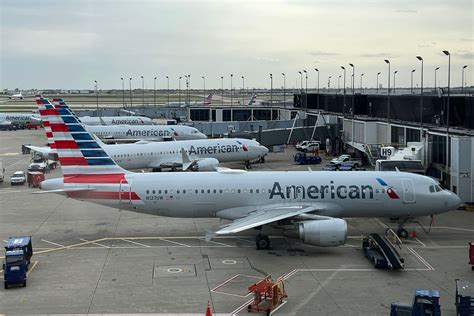
By anchoring these smaller cities to major hubs like ORD and DFW, American Airlines ensures seamless one-stop connections to global destinations like Rome, Athens, Cancun, and São Paulo, according to Brian Znotins, Senior VP of Network and Schedule Planning. The initiative underlines American’s focus on “unmatched connectivity” and its strategic use of its domestic gateways.
Lincoln: A Gateway to the World from the Heartland
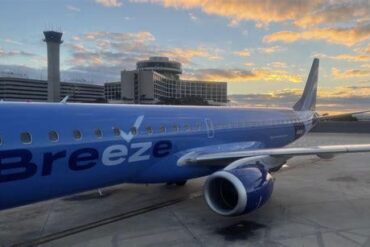
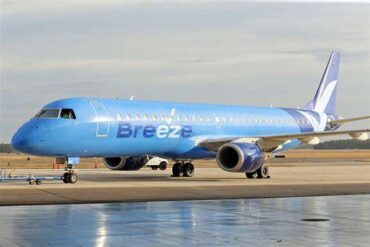
Lincoln, Nebraska, emerges as a central focus in American’s 2026 expansion. Starting June 4, 2026, American will offer daily service to both Chicago and Dallas/Fort Worth, solidifying its commitment to bringing underserved markets into the fold of international travel. The move pits American directly against Breeze Airways and United, the only two carriers currently operating out of LNK.
This network enhancement not only strengthens American’s Midwestern reach but also highlights the strategic importance of ORD and DFW as global connectors. With over 500 daily departures planned from O’Hare alone, passengers from Lincoln will gain access to a broad array of transatlantic and Latin American destinations.
Phoenix: The Rising Star in Domestic Connectivity
While major East Coast and Midwest hubs are focal points of this expansion, Phoenix Sky Harbor International Airport (PHX) plays a pivotal role. American is launching or reviving seven routes from Phoenix, reinforcing its role as a gateway to the American West and Southwest. The destinations include:
- Abilene, TX
- Anchorage, AK
- Bozeman, MT
- Glacier Park, MT
- Lincoln, NE
- McAllen, TX
- Rapid City, SD
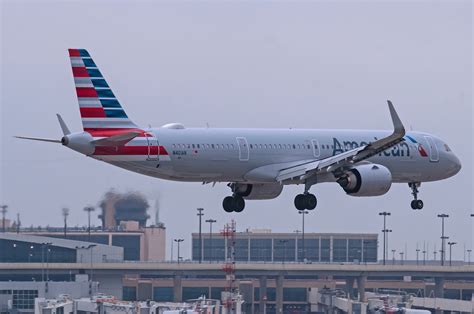
Of these, the Phoenix-Anchorage route is the only one operated with a mainline aircraft (Airbus A321neo) and is set to return as a seasonal Summer service. All others will be handled by regional aircraft under the American Eagle brand, operated by subsidiaries like Envoy, Piedmont, PSA, and partners SkyWest and Republic Airways.
Boston’s Surprising Role as a Non-Hub Origin Point
One of the more notable developments is Boston Logan International Airport (BOS) being the only non-hub origin point included in the announcement. On June 18, 2026, American will begin:
- Year-round service to Madison, Wisconsin (MSN)
- Seasonal Summer service to Nantucket, Massachusetts (ACK)
This strategic move strengthens American’s New England footprint and taps into both academic and leisure travel markets. Madison, home to the University of Wisconsin, and Nantucket, a luxury vacation hotspot, align with demand-driven network planning.
Charlotte and Miami: Targeted Additions with Regional Importance
From Charlotte Douglas International Airport, American will begin daily year-round flights to Columbia, Missouri, starting May 21, 2026. Meanwhile, Miami International Airport gains a Saturday-only seasonal route to Jackson, Mississippi, from March 14 through August 1, 2026.
While modest in scale, these additions demonstrate American’s continued fine-tuning of its Southern network, ensuring that smaller Southeastern markets maintain direct access to primary connecting hubs.
Aircraft Deployment: Regional Jets Dominate the Rollout
Most new routes will be operated by regional jets, primarily Embraer E175s and Bombardier CRJs. These aircraft types are well-suited for thinner routes with lower passenger volumes, enabling year-round and seasonal frequency without the economic risk of larger planes.
The lone exception is the Phoenix–Anchorage route, reflecting strong seasonal demand for travel to Alaska’s national parks, wildlife, and cruise gateways. American is clearly leveraging its flexible fleet strategy to tailor capacity to specific market needs, a tactic that provides both resilience and adaptability.
Competitive Pressure and Strategic Implications
This expansion comes at a time of intense competition among legacy carriers. In Chicago, United Airlines has traditionally dominated the scene, but American’s steady increase in daily departures—combined with the acquisition of two new gates from Spirit Airlines for $30 million—signals a clear intent to defend and grow market share.
The Lincoln move also subtly intensifies the rivalry, as United currently serves the city, and American’s presence could sway price-sensitive and loyalty-driven travelers. Additionally, these route additions serve as a hedge against ongoing challenges in the pilot labor market, which continues to impact regional route availability across the industry.
Connecting Small Towns to Global Dreams
With this latest expansion, American Airlines underscores a foundational belief: that every city, regardless of size, deserves global connectivity. Cities like Erie, Tri-Cities, Roanoke, and Columbia are no longer relegated to multiple-stop itineraries or inconvenient flight paths. With seamless access to major hubs, travelers from these cities can now envision direct journeys to global destinations via American’s network.

Furthermore, this strategy not only opens doors for passengers but also fuels economic development in regional markets, enabling business growth, tourism, and improved quality of life.
A Glimpse Into the Future of Domestic Air Travel
The 2026 route expansion is more than just a network upgrade—it’s a vision statement for the future of air travel in the United States. As the industry adapts to shifting demand patterns, airline profitability pressures, and evolving customer expectations, American Airlines is staking its claim on the value of accessible regional air service.
With smaller airports gaining ground and global connections within reach, the skies are no longer the limit for America’s heartland.
American’s 2026 New Routes at a Glance:
| Origin | Destination | Start Date | Aircraft | Frequency |
|---|---|---|---|---|
| ORD | LNK | June 4 | CRJ700 | Daily |
| ORD | ERI | May 21 | CRJ700 | Daily |
| ORD | TRI | May 21 | E170 | Daily |
| DFW | LNK | June 4 | CRJ700 | 2x Daily |
| DFW | ROA | June 4 | CRJ900 | Daily |
| CLT | COU | May 21 | E175 | Daily |
| MIA | JAN | March 14 | E175 | Weekly |
| BOS | MSN | June 18 | E175 | Daily |
| BOS | ACK | June 18 | E175 | Daily (Summer) |
| PHX | ABI | June 4 | E175 | Daily |
| PHX | ANC | May 21 | A321neo | Daily (Summer) |
| PHX | BZN | June 4 | E175 | Daily |
| PHX | FCA | June 19 | CRJ700 | 2x Weekly |
| PHX | MFE | June 4 | E175 | Daily |
| PHX | RAP | June 4 | E175 | Daily (Seasonal) |