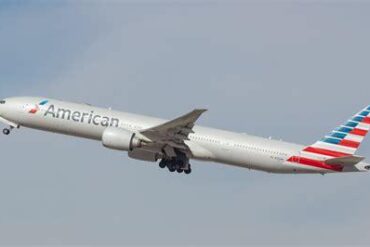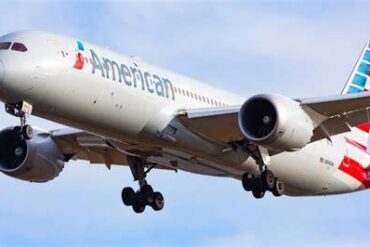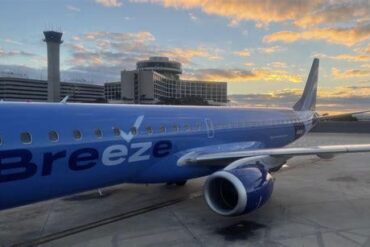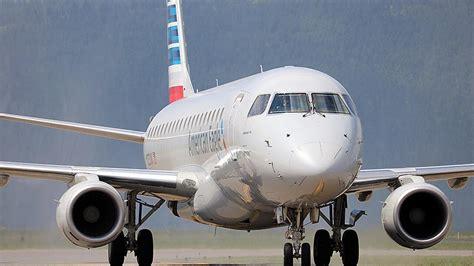
American Airlines is significantly enhancing its presence in Montana with a bold expansion of daily flight services at Missoula Montana Airport (MSO), marking a major shift in travel accessibility for residents and visitors alike. The airline’s latest move brings year-round connectivity to key U.S. cities and international hubs, reinforcing Missoula’s strategic role as a gateway to both national and global destinations.
The state of Montana, long known for its rugged landscapes and growing tourism appeal, has seen a rising demand for improved air services. While Bozeman Yellowstone International Airport has historically dominated Montana’s air traffic, attracting both travelers and airlines, other regional airports like Missoula and Billings are now actively expanding their offerings to better serve local communities.
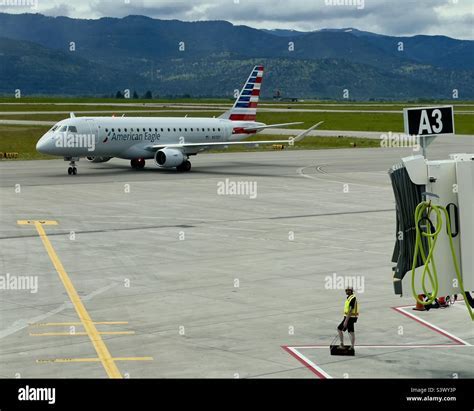
For years, many Montana residents have faced limited air travel options, often enduring lengthy drives to larger hubs like Bozeman to access affordable fares and a broader range of destinations. This reliance on distant airports has fueled frustration among local travelers, who have consistently voiced the need for more direct flights from closer regional airports.
In response to this growing demand, American Airlines has unveiled its plan to introduce daily, year-round flights from Missoula to major U.S. cities, most notably Chicago O’Hare International Airport (ORD). The Chicago route, which was previously offered on a seasonal basis during the winter months, proved popular among Montana travelers seeking efficient access to the East Coast and beyond. With this route now operating daily throughout the year, residents gain reliable, cost-effective options for both domestic and international travel.
The addition of daily flights to Chicago not only provides Missoula residents with seamless access to one of the world’s busiest airports but also opens up a network of onward connections to Europe, Asia, and other global destinations. This expanded service reduces the need for Montana travelers to rely on road trips to distant airports and fosters greater convenience for both business and leisure travelers.
Missoula’s Growing Role in Montana’s Aviation Network
The decision by American Airlines to bolster its operations at Missoula is emblematic of a larger trend reshaping Montana’s aviation sector. While Bozeman Yellowstone International Airport has garnered national attention with its record-breaking passenger traffic and growing flight schedules, other airports across the state are quietly evolving.
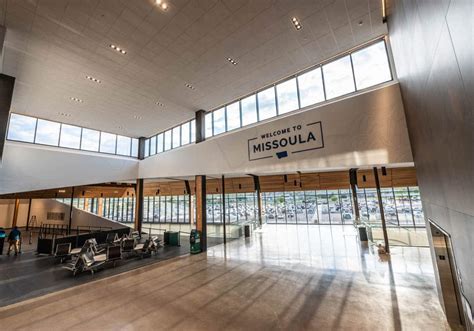
Missoula International Airport, nestled in western Montana’s scenic Bitterroot Valley, is strategically positioning itself as a critical transportation hub for the region. Its proximity to Glacier National Park, outdoor recreation hotspots, and thriving business sectors makes it an attractive choice for both airlines and travelers.
The enhanced presence of American Airlines signals increased confidence in Missoula’s market potential. By establishing reliable daily flights to Chicago, the airline taps into Montana’s rising demand for accessible travel options while providing a competitive alternative to Bozeman for both residents and visitors.
Economic Impact and Regional Benefits
The ripple effects of American Airlines’ expanded services extend beyond convenience. Improved air connectivity is a vital component of economic development, supporting tourism, attracting businesses, and facilitating workforce mobility. For Missoula, the benefits are multi-faceted.
Tourism, a cornerstone of Montana’s economy, stands to gain from the streamlined access to international travelers. Visitors flying into Missoula can now more easily explore the state’s natural attractions, from the Rocky Mountains to Yellowstone and beyond, bolstering local hospitality and service industries.
Additionally, the improved air service enhances Missoula’s appeal to businesses seeking to invest or expand operations in the region. Reliable connections to major economic hubs like Chicago create new opportunities for commerce, trade, and professional networking, all critical elements in maintaining Montana’s competitive edge.
Local officials and tourism boards have praised American Airlines’ initiative, viewing it as a catalyst for broader infrastructure improvements and heightened visibility for Missoula on the national travel map.
Addressing Long-Standing Travel Gaps
For Montana residents, the expansion of flights from Missoula helps address long-standing frustrations associated with the state’s limited air service landscape. Previously, many travelers in western Montana faced the logistical challenge of driving several hours to Bozeman or even farther afield to catch flights with better schedules or lower fares.
By introducing more daily flights directly from Missoula, American Airlines provides a practical solution to these challenges, saving time and money for thousands of passengers annually. The year-round nature of the Chicago route ensures consistency, eliminating the seasonal gaps that have historically left travelers with few options during the off-peak months.
The success of this expansion could pave the way for further growth, with other airlines potentially following American Airlines’ lead by introducing new routes or increasing frequencies to Missoula and other underutilized Montana airports.
Potential for Future Airline Growth in Montana
Montana’s aviation sector is at a pivotal juncture. As tourism numbers climb and the state’s economy diversifies, airlines are recognizing the untapped potential of smaller, regional airports. Missoula’s success in attracting additional American Airlines flights demonstrates the viability of strategic investments in these markets.
If the Missoula-Chicago route performs well, it may encourage American Airlines to explore further expansion in Montana, possibly adding flights to other major U.S. cities or increasing services from additional airports such as Billings Logan International Airport.
Other carriers may also intensify their efforts to establish a presence in Montana, aiming to capitalize on growing traveler demand. The competition could drive down fares, improve scheduling flexibility, and ultimately provide Montana residents with an air travel experience on par with larger metropolitan areas.
Strengthening Montana’s Global Connectivity
The broader implications of American Airlines’ move extend to Montana’s global connectivity. With direct flights to Chicago, travelers gain access to one of the United States’ most significant aviation hubs, linking them to nearly every major city in North America and countless international destinations.
This improved access is especially beneficial for international tourists looking to experience Montana’s famed wilderness, as well as for residents needing efficient connections for work, study, or leisure abroad. It also enhances the state’s attractiveness as a destination for conferences, sporting events, and cultural exchanges.
As Montana continues to evolve as a sought-after destination, its airports’ ability to offer robust, reliable flight options will be instrumental in sustaining growth. The expansion at Missoula Airport is a tangible step in that direction, signaling the state’s readiness to compete in the national and global travel market.
Conclusion: A New Era for Missoula and Montana Aviation
American Airlines’ decision to launch daily, year-round flights from Missoula International Airport to major U.S. cities such as Chicago marks a transformative moment for Montana’s air travel landscape. It not only reflects the increasing demand for accessible, convenient travel options but also underscores the state’s growing importance within the national aviation network.
The enhanced service brings immediate benefits to local residents, businesses, and tourists, offering greater flexibility, improved connectivity, and significant economic potential. As airlines reassess their approach to regional markets, Missoula’s success may serve as a blueprint for similar expansions across Montana.
With more daily flights, expanded route options, and increased attention from major carriers, Montana is poised to redefine its role in the U.S. air travel ecosystem. The future of air service in the state looks promising, with Missoula International Airport leading the charge toward a more connected, accessible, and globally integrated Montana.