Wizz Air is accelerating its European expansion strategy, unveiling 20 new routes as the ultra-low-cost carrier continues its aggressive push into key markets. With fares starting from just $16, the airline is targeting price-sensitive travelers while increasing its presence across Spain and several other European destinations.
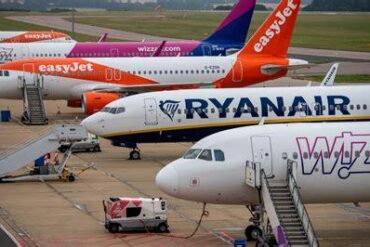
The Hungarian-based airline has grown into one of Europe’s largest low-cost operators in just over two decades. According to schedule data from Cirium Diio, Wizz Air’s capacity is expected to reach 92.1 million seats in 2026, representing a 25% increase compared with the previous year. This rapid expansion highlights the carrier’s ambition to compete more strongly with established budget rivals such as Ryanair and easyJet.
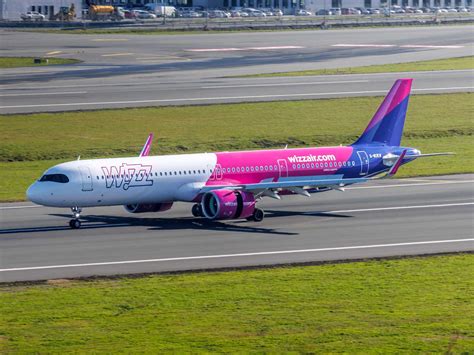
Wizz Air’s Major Spanish Expansion Creates New Growth Hub
Spain has become one of the biggest priorities in Wizz Air’s growth plans. The airline has served the country since 2004, but its Spanish network is now entering a completely new phase. In 2026, Wizz Air is expected to offer 14.7 million seats to and from Spain, a remarkable 42% increase compared with 2025.
The growth means Spain has become Wizz Air’s fourth-largest market by capacity, moving ahead of the United Kingdom. The expansion reflects the airline’s broader strategy of targeting large leisure markets where demand for affordable European travel remains strong.
Until now, Wizz Air operated flights to Spain without maintaining permanent bases in the country. That will change in November 2026, when the airline opens new bases at Madrid Barajas Airport and Valencia Airport. Two Airbus A321neo aircraft will be stationed at each location, creating a stronger foundation for additional domestic and international services.
The move is significant because Wizz Air has historically focused on connecting Central and Eastern Europe with Western European destinations. Establishing Spanish bases shows the airline is increasingly interested in competing directly inside Western European markets.
New Domestic Routes Connect Major Spanish Cities
One of the biggest changes will be Wizz Air’s entry into Spain’s domestic aviation market. While the airline launched domestic flights in Italy in 2020, it has never operated internal Spanish routes before.
From Madrid, Wizz Air will introduce flights to several destinations, including Asturias, Palma de Mallorca, and Santiago de Compostela. The airline will compete against major Spanish carriers such as Iberia and Air Europa, as well as other low-cost operators.
From Valencia, the carrier will launch even more domestic services, connecting the city with Asturias, Bilbao, Palma de Mallorca, Santander, and Santiago de Compostela. These routes are designed to capture demand from both local travelers and international visitors looking for cheaper connections between Spanish regions.
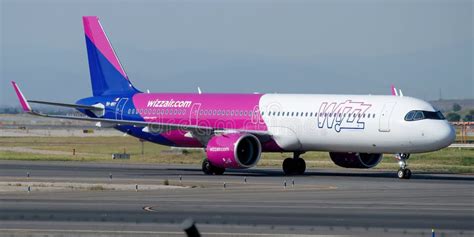
The choice of destinations appears carefully planned. Instead of aggressively challenging every major Ryanair route, Wizz Air is focusing on markets where it can build demand with limited direct competition. This approach allows the airline to expand while reducing unnecessary pressure on ticket prices.
International Routes Add More European Connections
Alongside its Spanish domestic expansion, Wizz Air will introduce several new international routes. From Madrid, passengers will gain access to Pisa, Italy, with daily flights competing against Ryanair. Valencia will receive new services to Brașov in Romania and Naples in Italy.
The Valencia–Brașov connection is particularly notable because it opens a unique link without direct competition. It also strengthens Wizz Air’s Romanian network, as the airline continues expanding connections between Spain and Romania.
The airline will also increase flights between Valencia and Milan Malpensa, doubling the frequency to two daily services. The route will compete directly with Ryanair as Wizz Air attempts to secure a larger share of European city-break travel.
Beyond Spain, Wizz Air will introduce additional routes including Varna to Basel and Vilnius to Berlin. These services demonstrate that the airline’s expansion is not limited to one market but represents a broader effort to increase its European footprint.
Low-Cost Growth Strategy Brings Opportunities and Challenges
The ultra-low-cost airline model depends heavily on scale. More aircraft, more routes, and higher passenger numbers allow carriers like Wizz Air to reduce costs per seat and maintain competitive fares.
However, rapid growth also creates challenges. Expanding too quickly can place pressure on aircraft availability, airport operations, crew resources, and profitability. Managing a network that reaches more than 90 million annual seats requires careful planning and strong execution.
Wizz Air’s investment in Spain shows confidence in continued European travel demand. Leisure travelers remain attracted to affordable flights, especially as inflation and rising travel costs influence holiday decisions.
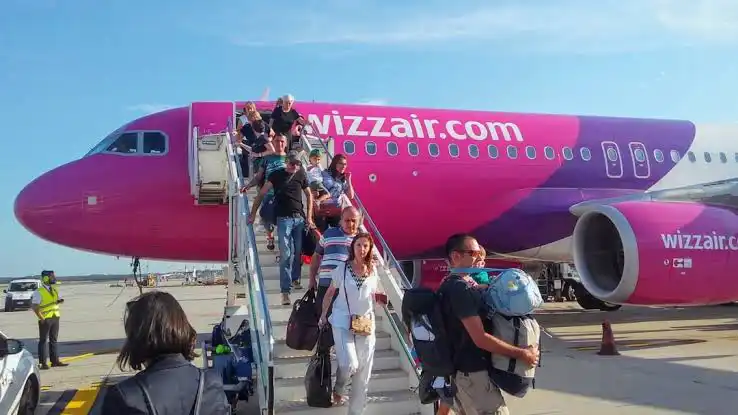
The airline’s Airbus A321neo fleet will play an important role in supporting this expansion. The aircraft offers greater seating capacity and improved fuel efficiency compared with older models, helping Wizz Air maintain its low-cost structure while increasing frequency on popular routes.
Wizz Air Positions Itself for the Next Stage of European Growth
With 20 new routes, new Spanish bases, and millions of additional seats entering the market, Wizz Air is making one of its boldest expansion moves yet. The airline is transforming from a carrier primarily focused on Eastern European connectivity into a major pan-European competitor.
Starting fares of just $16 highlight the company’s core strategy: attract travelers through affordability while building a larger network. As competition among European airlines intensifies, Wizz Air’s ability to manage rapid growth will determine whether this expansion becomes a long-term success.
For passengers, the result is more choices, more destinations, and potentially cheaper ways to explore Europe. For competitors, Wizz Air’s latest expansion is a clear signal that the battle for Europe’s budget travel market is becoming even more competitive.