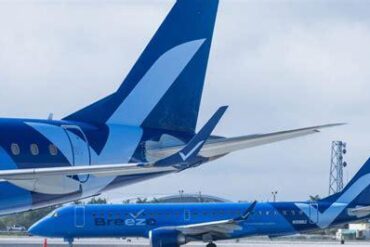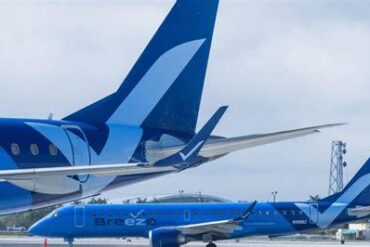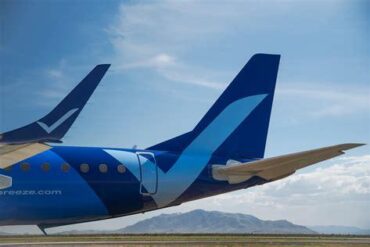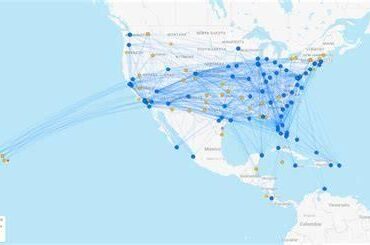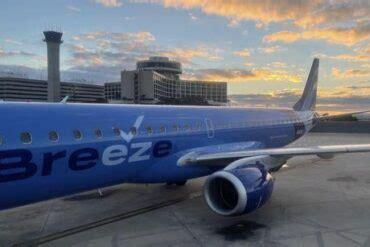
Small-city air travel in the United States is entering a new phase as Breeze Airways continues its aggressive expansion strategy, adding 11 new routes, three new cities, and several BreezeThru services designed to connect underserved communities that major airlines often overlook. Rather than competing head-to-head on crowded trunk routes, the carrier is doubling down on a distinctive model: linking smaller cities with nonstop flights to leisure destinations and fast-growing secondary markets.
The latest expansion introduces Baltimore, Dayton, and Trenton to the airline’s rapidly growing network, while simultaneously strengthening established Breeze focus cities such as Raleigh-Durham, Charleston, and Fort Myers. The move reflects a broader strategy that combines network expansion with increasing depth in key markets, positioning Breeze as one of the most disruptive forces in the US domestic aviation landscape.
Breeze Airways Continues Its Focus on Underserved American Cities
Since launching operations, Breeze Airways has built its business around a simple but powerful idea: many American travelers live in cities that lack convenient nonstop service. Traditional airlines typically funnel passengers through major hubs, forcing travelers from smaller communities to endure lengthy connections and extended travel times.
Breeze has identified these underserved markets as an opportunity.
Instead of entering highly competitive corridors such as New York–Chicago or Los Angeles–Dallas, the airline seeks city pairs where travelers currently have few or no nonstop options. This strategy minimizes direct competition while creating significant value for passengers seeking shorter and simpler journeys.
The newest expansion underscores this philosophy perfectly. Each newly announced city represents a market where travelers often rely on connecting itineraries despite substantial demand for direct service.
By targeting these overlooked opportunities, Breeze is steadily reshaping how regional air travel functions across the United States.
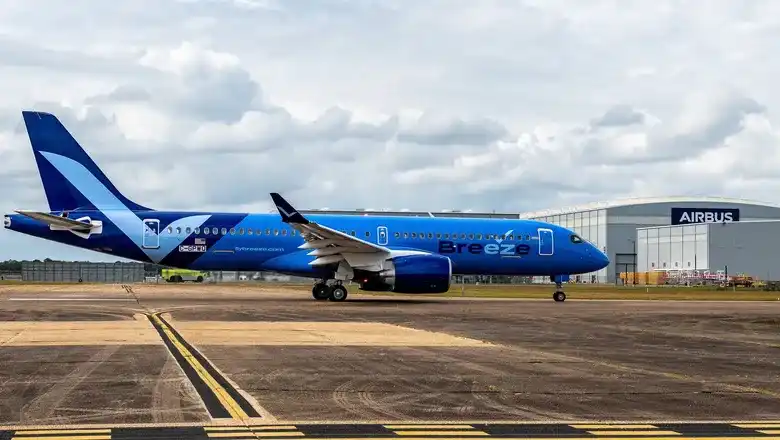
Baltimore Joins the Network Through Niche Nonstop Routes
Among the three newly announced cities, Baltimore/Washington International Thurgood Marshall Airport (BWI) stands out as the largest and most competitive addition.
BWI is heavily dominated by Southwest Airlines, making it one of the busiest low-cost airline strongholds in the country. However, Breeze is not attempting to challenge Southwest across major high-frequency routes. Instead, the airline is entering the market selectively by launching flights to Burlington, Vermont, and Vero Beach, Florida.
This approach highlights the company’s disciplined network planning.
Rather than engaging in fare wars on saturated routes, Breeze focuses on thinner markets where travelers may currently face inconvenient connections. For passengers traveling between Baltimore and destinations such as Vero Beach, a low-frequency nonstop flight can offer a compelling alternative to traditional hub-and-spoke itineraries.
The strategy allows Breeze to establish a presence at a major airport while avoiding costly direct battles against larger competitors.
Dayton Represents the Classic Breeze Airways Growth Model
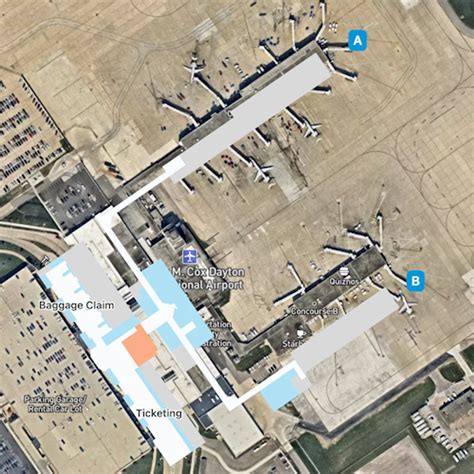
If Baltimore showcases selective competition, James M. Cox Dayton International Airport (DAY) represents the quintessential Breeze market.
Dayton currently offers relatively limited nonstop connectivity, with most existing flights operated by legacy airlines including American, Delta, and United. Much of this service is designed primarily to feed passengers into major airline hubs.
Breeze is taking a different approach.
The carrier is introducing nonstop service from Dayton to Fort Lauderdale, Fort Myers, and Raleigh-Durham, while also adding a BreezeThru connection to Sarasota-Bradenton.
For travelers in southwestern Ohio, these routes eliminate the need to connect through congested hubs such as Charlotte, Atlanta, or Chicago. Leisure passengers heading to Florida particularly stand to benefit from direct access to popular vacation destinations.
The addition also further strengthens Raleigh-Durham’s growing importance within the Breeze network, creating additional connectivity opportunities beyond traditional airline hubs.
Trenton Emerges as a New Competitive Battleground
Perhaps the most intriguing development involves Trenton-Mercer Airport (TTN) in New Jersey.
Historically, Trenton has been closely associated with ultra-low-cost operators, particularly Frontier Airlines. In recent years, Allegiant Air has also expanded its presence at the airport, creating a competitive environment centered largely on leisure travel.
Breeze now becomes the airport’s third significant low-cost operator.
New nonstop flights from Trenton to Charleston, Fort Myers, and Vero Beach will significantly broaden travel options for residents throughout eastern New Jersey and portions of the Philadelphia metropolitan area. Additionally, Breeze is introducing BreezeThru service linking Trenton and Fort Lauderdale.
The move gives the airline access to a strategically positioned secondary airport capable of attracting passengers seeking a less stressful alternative to larger facilities such as Philadelphia International or Newark Liberty.
For travelers, the expansion means greater choice, reduced travel times, and potentially lower fares.
Florida Remains Central to Breeze Airways’ Expansion Strategy
A closer examination of the new route announcements reveals a clear pattern: Florida continues to sit at the center of Breeze Airways’ growth plans.
Among the biggest beneficiaries is Vero Beach Airport (VRB), which receives multiple new nonstop connections, including flights from Atlantic City, Baltimore, Raleigh-Durham, and Trenton.
This emphasis reflects broader industry trends.
Florida consistently generates strong leisure demand year-round, making it particularly attractive for airlines operating lower-frequency schedules. Breeze’s twice-weekly and three-times-weekly flights align well with vacation travel patterns, allowing the carrier to maximize aircraft utilization while serving markets that may not support daily operations.
Newly announced nonstop routes include:
- Charleston – Trenton
- Trenton – Vero Beach
- Baltimore – Vero Beach
- Atlantic City – Vero Beach
- Provo – Raleigh-Durham
- Raleigh-Durham – Vero Beach
- Baltimore – Burlington
- Dayton – Fort Lauderdale
- Fort Myers – Madison
- Dayton – Fort Myers
- Dayton – Raleigh-Durham
- Fort Myers – Trenton
Interestingly, Breeze described the announcement as involving 11 new routes, although publicly available details appear to identify 12 distinct city pairs, suggesting either a counting discrepancy or differing internal classifications.
Raleigh-Durham Is Becoming a Major Breeze Stronghold
Among all cities within the network, Raleigh-Durham International Airport (RDU) continues to emerge as Breeze Airways’ most important growth market.
The airport gains new nonstop service to Provo, Dayton, and Vero Beach, further expanding its role as a central connecting and operational hub.
Breeze has dramatically increased operations at RDU, growing flight activity by more than 80 percent year-over-year during the second quarter of 2026. The carrier is increasingly positioning itself to challenge established airlines for market share and could soon become one of the airport’s largest operators.
Unlike traditional hubs built primarily around connections, Breeze’s Raleigh-Durham operation combines point-to-point flying with selective connectivity, creating a hybrid model tailored to underserved markets.
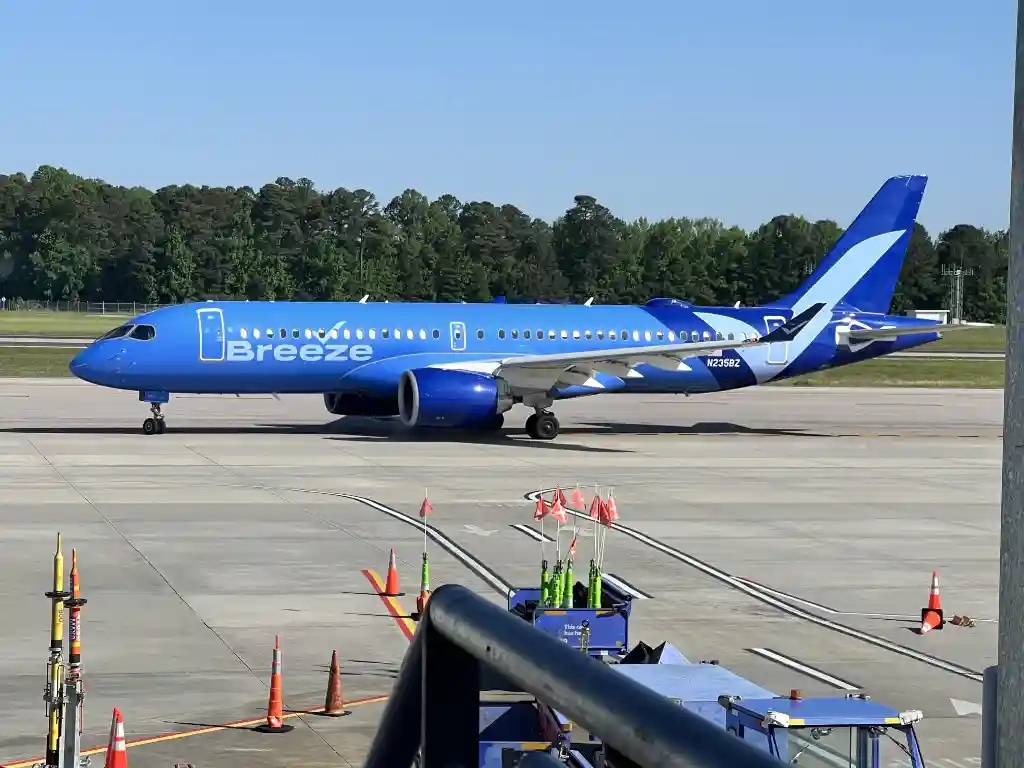
From Rapid Expansion to Sustainable Network Depth
Critics frequently argue that Breeze’s rapid expansion strategy relies too heavily on low-frequency routes. Many newly announced services operate only twice weekly, potentially limiting their usefulness for business travelers or passengers requiring flexibility.
Those concerns are valid.
However, they tell only part of the story.
While Breeze continues adding new destinations, it is simultaneously deepening service in select cities. Airports including Tampa, Orlando, Providence, Charleston, and Fort Lauderdale now feature multiple Breeze routes operating daily or nearly daily.
Fort Lauderdale offers perhaps the clearest example. Since entering the market in late 2025, Breeze has rapidly expanded to dozens of routes, with several now operating every day and some even offering multiple daily departures.
This gradual transition from experimentation to frequency growth represents the airline’s likely next evolutionary phase.
Founder David Neeleman has repeatedly emphasized the importance of testing markets, identifying successful routes, and scaling operations accordingly. The strategy allows Breeze to remain flexible while steadily building durable market positions.
The airline’s long-term challenge will be balancing continued expansion with the need to establish genuine strongholds in its most successful cities. If executed effectively, Breeze may fundamentally reshape regional air travel by providing smaller American communities with something many have lacked for years: reliable, affordable nonstop flights.