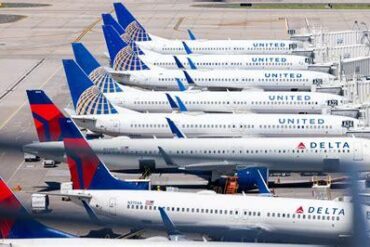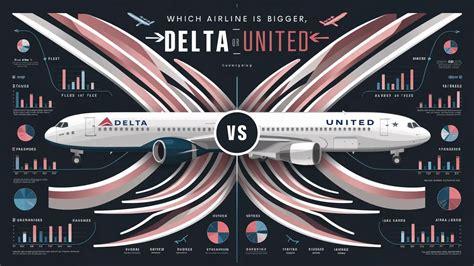
Delta Air Lines and United Airlines are redefining airline dominance across the most critical aviation corridors—U.S.–Canada, U.S.–Europe, the trans‑Pacific, and domestic U.S. markets—with a strategic blend of premium-focused service, loyalty program monetization, and global network scale. In an era where many carriers are facing sluggish margins and overcapacity, these two juggernauts are not merely surviving—they are setting the course for the industry.

Revenue Leadership and Profit Capture in a Fragmented Industry
Delta and United now account for over 86% of the profits among the seven largest U.S. airlines, a figure that underscores their operational superiority and pricing power in key travel segments. This financial edge becomes even more impressive against the backdrop of the aviation industry’s relatively low average margin of just 4%, compared to nearly 20% in other large U.S. sectors. While rivals flounder with unprofitable domestic expansion and heavy reliance on leisure travelers, Delta and United leverage premium products and transoceanic strength to lock in high-yield returns.
Premium Strategy: The Crown Jewel of Dominance
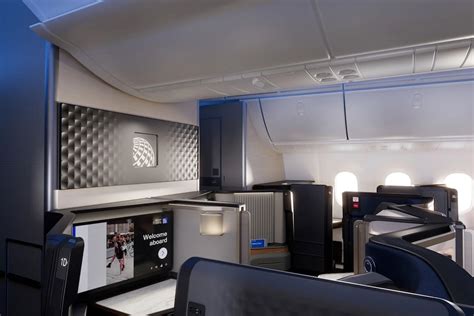
Central to this growing dominance is an unrelenting focus on premium cabins—business class and premium economy—which continues to deliver both robust occupancy and superior revenue per seat. According to Bureau of Transportation Statistics (BTS) data, premium yields declined only 0.3%, far outperforming the 3.5% fall in coach fares. This resilience in premium travel is not a coincidence; it’s the result of meticulous cabin product upgrades, elite airport lounges, and seamless international connectivity.
Delta’s and United’s premium seats remain among the most profitable in the market. Not only do these seats carry higher fares, but they also benefit from customer stickiness due to business travel contracts and elite-tier loyalty members. In a post-pandemic era where high-paying travelers remain a smaller yet more lucrative segment, this targeted focus is paying dividends.
Loyalty Programs: The Quiet Billion-Dollar Engine
Both carriers have weaponized loyalty in a way few others can match. Delta’s co-branded credit card agreements with American Express and United’s lucrative MileagePlus partnerships are turning frequent flyer points into billions in annual revenue. The Department of Transportation confirms that loyalty programs are now contributing significantly to total passenger revenue, far outstripping contributions from ancillary fees or fare hikes alone.
In the latest earnings call, Delta revealed a 10% year-over-year growth in alliance payment program revenue, while United posted double-digit increases in its highest loyalty tiers and redemption rates. These aren’t just perks—they’re revenue engines driving margin resilience, even during seasonal demand dips or macroeconomic uncertainty. More than ever, loyalty has evolved into a critical asset class within aviation.
Global Network Scale: A Fortress of Connectivity
Delta and United continue to flex their muscles with extensive global networks that span from Tokyo to Toronto, and from Frankfurt to Fort Lauderdale. Their ability to pivot capacity and reroute through multiple hubs provides them with exceptional flexibility. United’s temporary curtailments at Newark due to ATC staffing constraints were swiftly mitigated by rerouting via Chicago, Denver, or Washington D.C.—a logistical advantage not enjoyed by smaller or more regionally focused carriers.
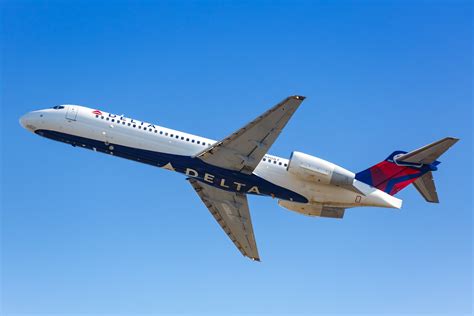
Delta’s global gateway strategy includes key transatlantic and Asia-Pacific routes that are seamlessly tied to its SkyTeam partners, while United’s Star Alliance ties and newly upgraded Polaris lounges position it as a trans-Pacific titan. These intercontinental synergies amplify market presence and allow high-margin passengers to flow through interconnected global itineraries, locking in value that rivals can’t easily replicate.
Struggles of the Competition: Coach Saturation and Strategic Drift
While Delta and United surge ahead, legacy competitors like American Airlines, Southwest, and Alaska Airlines are weighed down by domestic coach oversupply and sagging yields. Government fare data clearly shows a glut in economy-class seating, pushing load factors downward across most airlines, except for the top-tier players.
To combat revenue stagnation, these carriers have introduced measures like baggage fees, seat assignment charges, and basic economy add-ons—but such tactics are unlikely to bridge the gap against the superior business models of Delta and United. These legacy tactics also risk alienating price-sensitive passengers already navigating a high-inflation travel environment.
Cost Discipline Amid Growth: A Tactical Masterstroke
What sets Delta and United further apart is their ability to manage unit cost discipline even while investing heavily in premium offerings and network growth. Both airlines have benefitted from fleet renewals, fuel hedging, and improved operational efficiency, allowing them to maintain cost structures that protect margin even as revenue per available seat mile (RASM) weakens across the board.
Their dynamic pruning of unprofitable routes—without jeopardizing network integrity—gives them a strategic edge over competitors that must choose between growth and profitability. This flexibility is vital in an industry where every available seat-mile must be optimized.
Alliance Dominance and Forward-Looking Expansion
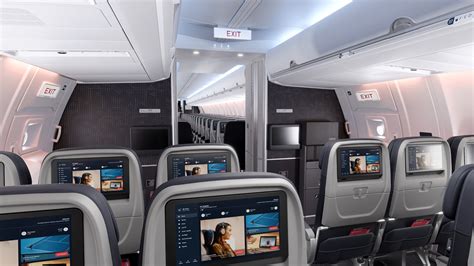
Strategic alliance integration continues to strengthen the duopoly’s global dominance. United’s deepening collaboration with Star Alliance partners, supported by its Polaris product line and new premium economy offerings, consolidates its position across long-haul corridors. Meanwhile, Delta’s segmentation strategy through SkyTeam enhances differentiation from basic economy to top-tier business elite, reinforcing loyalty and increasing spend per passenger.
Delta’s “from-factory-gate-to-first-class” segmentation model is enabling the airline to control product value from booking through the journey, a feat no ultra-low-cost carrier can achieve. These moves, when paired with global network efficiencies, create a high-entry-barrier ecosystem for any newcomer or legacy rival hoping to gain ground.
Looking Ahead: Dominance in a Tight Margin Era
Industry forecasts from transportation authorities signal a softening of demand in late Q3 2025, especially on domestic leisure routes. This impending downturn only highlights the importance of diversified revenue streams and high-value segments. Delta and United are structurally prepared for this shift, thanks to their intercontinental leverage, premium strategy, and loyalty monetization capabilities.
The 4% industry-wide margin may seem grim, but with loyalty revenue cushioning downside risk, and premium cabins providing upside lift, these two airlines are expected to extend their lead into 2026 and beyond. Their capacity to cross-subsidize between regions, classes, and revenue channels remains unmatched.
Conclusion: The Future of Aviation Belongs to the Strategists
Delta and United are no longer just participants in the air travel recovery—they are the architects of its future. Through strategic investments in premium product, global alliances, and loyalty ecosystems, they have built resilient revenue moats that are difficult to challenge. While other carriers navigate structural inefficiencies and diluted brand equity, Delta and United are operating from a position of controlled dominance.
Their success story is a masterclass in airline strategy, with each aircraft, loyalty point, and premium cabin telling the same story: airline supremacy isn’t just about flying planes—it’s about flying smarter, farther, and more profitably than anyone else.