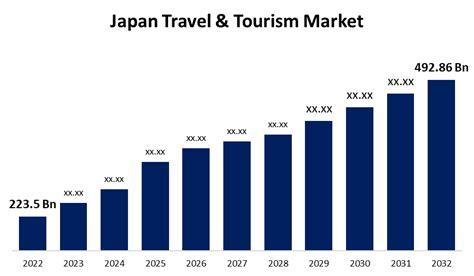
Japan’s tourism sector is experiencing a historic resurgence, highlighted by an impressive 21.5% increase in tourist arrivals year-on-year, culminating in 3.69 million visitors in May 2025. This remarkable milestone not only signifies a robust recovery but also showcases Japan’s enduring allure as a premier global destination. The surge has been largely propelled by increased interest from key markets, particularly South Korea and China, alongside the introduction of new flight routes that have made travel to the archipelago more accessible than ever.
As per the Japan National Tourism Organization (JNTO), the total number of international arrivals in 2025 has already approached 18 million, setting a promising trajectory for the year. If the current trend continues, Japan could welcome an unprecedented total of 40 million visitors by the end of 2025, marking a monumental achievement that would surpass all previous records.
Key Contributors to the Surge in Tourism
The dramatic rise in visitor numbers can be attributed primarily to South Korea, which emerged as the leading force behind this tourism boom. In May alone, 825,800 South Korean tourists visited Japan, representing an 11.8% increase over the previous year. The surge can be directly linked to the introduction of several new flight routes, including one connecting South Korea with Obihiro, a city located in Hokkaido. These new connections have enhanced travel accessibility, making Japan an increasingly attractive destination for South Korean travelers.
China, too, has played a crucial role in boosting Japan’s tourism figures, contributing 789,900 visitors in May 2025. This marks a staggering 44.8% increase compared to the same period last year, reflecting the warming diplomatic ties between the two nations and the growing eagerness among Chinese tourists to explore Japan’s rich cultural and historical heritage. Popular destinations such as Tokyo, Kyoto, and Osaka have witnessed a marked increase in Chinese visitors, eager to experience Japan’s unique blend of tradition and modernity.
However, the tourism landscape is not uniformly positive. Hong Kong experienced a decline in visitor numbers, recording an 11.2% drop to just 193,100 arrivals in May. This stark decrease contrasts sharply with a 42.9% increase noted in April. Analysts attribute this downturn to pervasive rumors circulating on social media suggesting that Japan may be facing significant disasters. Although these claims remain unsubstantiated, they have undeniably instilled hesitation among potential travelers from Hong Kong, impacting their willingness to visit Japan at this time.

Impact of Flight Cancellations
The declining tourism numbers from Hong Kong have been echoed in recent flight data. Kansai Airport, one of Japan’s major international hubs, reported disruptions in its usual flight schedules, with over 62 flights from Hong Kong to Kansai Airport canceled as of June 2025. This cancellation represents approximately 10% of the flights operating on that route. Similarly, Sendai Airport, situated in Miyagi Prefecture, has also seen reductions in flight operations from Hong Kong, as airlines began scaling back or canceling flights as early as May, with further reductions anticipated through October 2025.
Despite these challenges, Japan’s tourism authorities remain optimistic about the future. Naoya Haraikawa, Commissioner of the Japan Tourism Agency, emphasized the agency’s commitment to closely monitor tourism trends, especially concerning markets beyond Hong Kong. Haraikawa assured stakeholders that timely updates would be provided should any significant developments arise.
Projections and Economic Concerns
Looking ahead, Japan’s tourism prospects appear promising, with a potential to exceed 40 million visitors by the end of 2025. Achieving this milestone would not only represent a historic achievement but would also solidify Japan’s standing as a leading global tourist destination. However, the country is not without its uncertainties, particularly regarding global economic conditions. Ongoing trade tensions and the potential economic ramifications of U.S. tariffs have raised concerns about the future trajectory of international travel.
The weakening global economy could dampen tourist spending in Japan, affecting both the number of visitors and their purchasing behavior while in the country. An early indicator of this trend has been the declining sales of duty-free goods in Japanese department stores, which may reflect broader economic concerns influencing consumer confidence. Additionally, the current exchange rate of 144 yen to 1 U.S. dollar could pose affordability challenges for foreign visitors, potentially leading to a decrease in travel bookings.
Japan’s Enduring Appeal
Despite these challenges, the Japanese government and the tourism industry remain steadfast in their commitment to sustaining the momentum generated in recent years. Japan’s wide-ranging appeal—from its rich cultural heritage and breathtaking landscapes to its cutting-edge technology and renowned culinary experiences—continues to attract international tourists in record numbers. The country boasts a unique blend of ancient traditions and modern marvels, making it a must-visit destination for travelers worldwide.
As Japan’s tourism industry reaches a historic milestone in May 2025, the impressive influx of 3.69 million visitors highlights the significant rebound fueled by increased international travel from South Korea and China, as well as the introduction of new flight routes. This surge underscores Japan’s robust recovery and growing reputation as a premier global tourist destination.
In conclusion, Japan’s tourism sector is poised for an exceptional year, with visitor numbers expected to reach unprecedented levels by the end of 2025. While the country has enjoyed remarkable growth from major markets such as South Korea and China, it faces challenges—particularly the decline in arrivals from Hong Kong and broader global economic uncertainties. Nevertheless, Japan remains one of the most sought-after destinations in Asia, and its tourism industry is set to continue thriving despite these hurdles. The upcoming months will be crucial in determining whether Japan will surpass the 40 million visitor mark, a feat that would undoubtedly cement its position among the world’s leading tourist destinations.