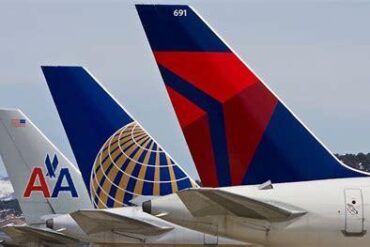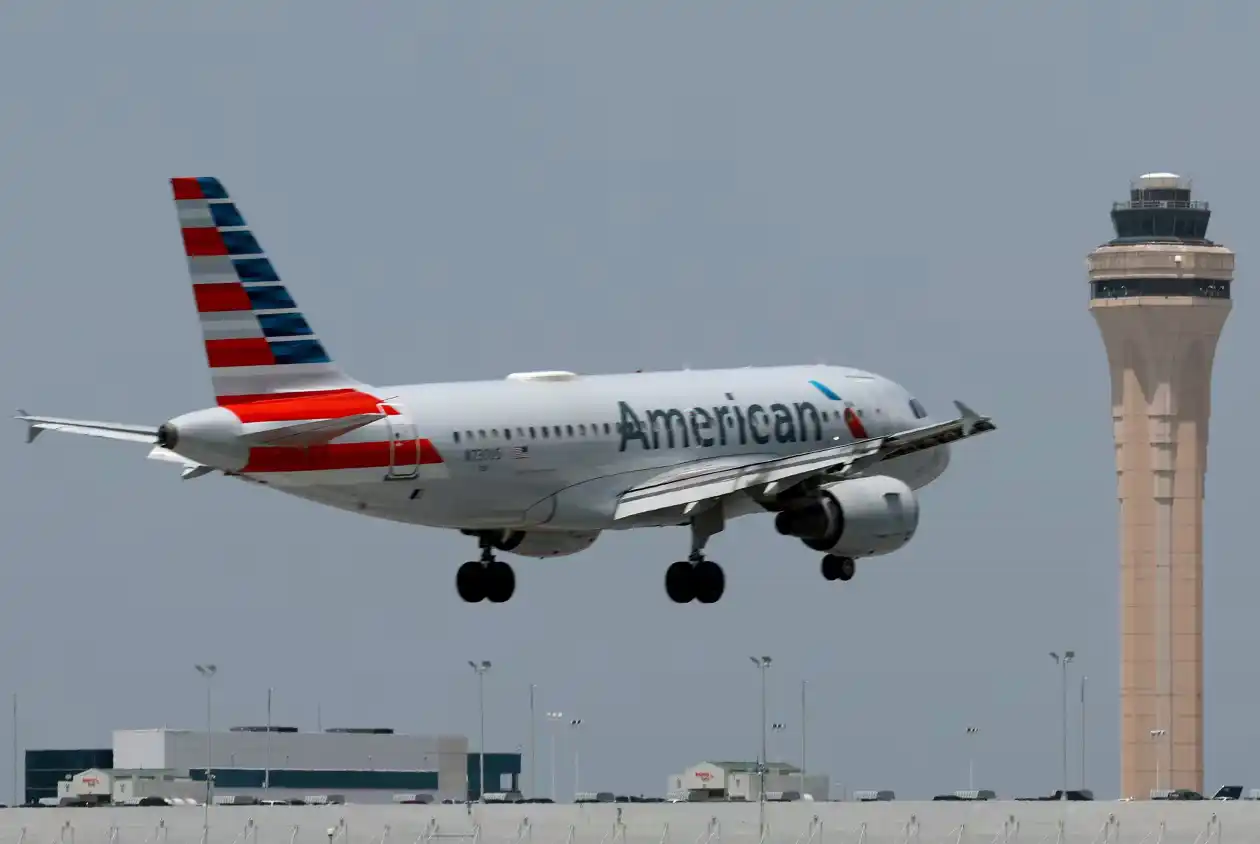
American Airlines has captured renewed investor enthusiasm after its stock surged nearly 14%, following a strong second-quarter earnings report from Delta Air Lines that signaled broader strength across the aviation sector. This sudden upward momentum marks one of the most significant single-day increases for American in recent years, and it’s igniting fresh optimism for a sustained travel industry rebound.
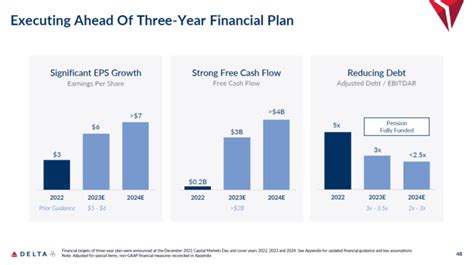
The spike in American Airlines’ stock price came as Delta exceeded revenue and net income expectations, reaffirming strong travel demand and projecting robust performance for the rest of 2025. Delta’s quarterly results have long served as a bellwether for U.S. carriers. This time was no different—its upbeat financials reignited bullish sentiment across the industry, with American emerging as one of the immediate beneficiaries.
Delta’s Strong Quarter Triggers Sector-Wide Optimism
Delta’s second-quarter report not only exceeded Wall Street’s estimates—it delivered a roadmap for recovery in an industry battered by fuel price volatility, labor negotiations, and macroeconomic headwinds. With revenue climbing and forward bookings setting records, Delta’s bullish forecast served as the spark for a cross-industry rally.
American Airlines’ stock jumped 13.7% in early trading, underscoring just how closely the market ties its expectations for American to Delta’s financial direction. Investors, seeing Delta’s performance as a proxy, began pricing in similar results for American’s upcoming earnings, leading to a rapid shift in sentiment.
The optimism comes after a period of turbulence for American. Year-to-date, the carrier’s stock remains down over 24%, impacted by rising fuel costs, employee wage pressure, and sporadic operational disruptions. But this sharp rally may signal the beginning of a recovery in investor confidence.
Market Sentiment Shifts Dramatically
Volatility has long defined American Airlines’ stock behavior. Over the past twelve months, the stock has experienced more than twenty swings exceeding five percent in a single session. This most recent surge, however, stands out—not just in magnitude but in the market narrative it has reshaped.
For weeks, investors had remained cautious, weighing inflation and the Fed’s interest rate outlook against summer travel demand. But Delta’s robust earnings cut through the uncertainty. It showed that not only was demand strong, but airlines were also managing to maintain cost discipline and operational performance. The knock-on effect? A renewed belief that American’s own Q2 numbers could echo that strength.
A Glance at American’s Current Position
Even with the 14% surge, American Airlines’ stock is trading at $12.89, still well below its 52-week high of $18.66 from January 2025. The recent rally helps erase some of the steep losses endured earlier in the year but highlights the gap that remains.
This underperformance reflects cumulative pressures: high fuel prices, strained labor negotiations, and scattered service disruptions. However, the recent price move suggests investors are beginning to look past the short-term setbacks and focus on potential earnings recovery and structural improvements within the company.
How the Broader Airline Industry Is Reacting
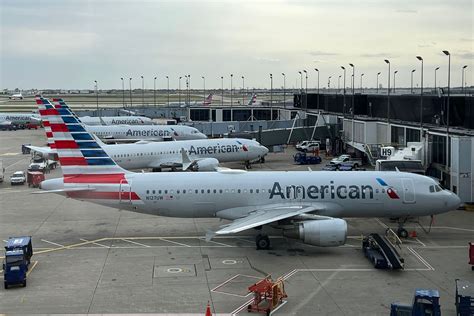
American wasn’t the only carrier to benefit. Stocks for United Airlines and Southwest Airlines also experienced strong upward momentum, signaling a broad re-rating of airline equities.
The resurgence follows an extended period of sector restructuring. Over the past two years, airlines have aggressively pursued cost controls, fleet modernization, digital transformation, and enhanced loyalty programs. With leisure travel booming and business travel steadily recovering, U.S. carriers are now better equipped to leverage strong demand into sustainable profitability.
Delta’s results were more than a one-off—they painted a picture of a structurally leaner, smarter airline business model. If American Airlines can demonstrate similar progress in its upcoming earnings release, sector confidence is likely to build further into Q3 and Q4.
Factors Powering Investor Confidence in American
Several fundamental factors are contributing to the bullish outlook for American Airlines:
Travel Demand Is Holding Strong
Despite inflation and geopolitical uncertainty, travelers are still prioritizing experiences. Summer bookings have reached all-time highs, both domestically and internationally. Demand for premium cabins and long-haul routes remains robust.
Operational Improvements Are Taking Hold
American has accelerated initiatives to cut delays, streamline airport operations, and increase aircraft utilization. Investments in AI-driven scheduling and predictive maintenance are starting to pay off in better on-time performance and lower maintenance costs.
Ancillary Revenue and Loyalty Programs Are Profitable
The AAdvantage loyalty program continues to generate high-margin, recurring revenue. From co-branded credit card partnerships to priority boarding fees and upgraded seating, American is increasingly tapping into non-ticket sources for profitability.
Greater Labor Stability Ahead of Peak Season
While labor negotiations posed challenges earlier in the year, new agreements have now brought greater clarity and stability to operations. These deals help reduce the risk of strike actions or mass cancellations during high-demand periods.

American’s Global Network Remains a Strategic Advantage
With one of the largest route networks in the world, American is uniquely positioned to ride the demand wave. Its hubs in Dallas, Charlotte, Miami, and Chicago give it deep domestic connectivity, while international routes to Europe, Latin America, and Asia offer exposure to rebounding international markets.
The airline’s ability to redeploy aircraft quickly—shifting widebodies from transatlantic to transpacific routes, for example—adds operational flexibility. Additionally, enhancements like faster onboard Wi-Fi, improved lounges, and self-service kiosks have helped elevate the passenger experience, attracting both business and leisure travelers.
Historical Returns: Room to Improve
American’s long-term stock performance has been underwhelming. A $1,000 investment five years ago would now be worth roughly $1,079, far behind broader indices like the S&P 500 or Nasdaq. However, the current rally suggests a turning point may be near.
If the company can post a strong earnings report in line with Delta’s, it could re-rate valuation multiples, especially as Wall Street increasingly favors travel and consumer discretionary stocks during economic expansions.
What’s Next: Key Catalysts to Monitor
With investor attention now laser-focused on American, the upcoming weeks are crucial. The following factors will be instrumental in determining whether the current rally is sustainable:
Q2 Earnings Report
Set to be released in the coming weeks, this report will serve as a litmus test for the bullish narrative. If American meets or beats on revenue, cost control, and earnings per share, it could trigger another round of buying.
Jet Fuel Prices
One of the airline industry’s most volatile inputs, fuel costs will play a decisive role in determining profitability. A softening in crude oil prices would support margin expansion heading into the fall.
Economic Indicators
Consumer confidence, inflation trends, and employment numbers all impact travel budgets. Continued resilience in these metrics will further support airline stocks.
Regulatory and Environmental Policy
Upcoming FAA regulations or sustainability mandates may add compliance costs, but also offer opportunities for innovation—especially in green aviation technologies and fleet upgrades.
Conclusion: A Turning Point for American Airlines?
The nearly 14% rally in American Airlines’ stock isn’t just a reaction—it’s a reflection of restored belief in the future of U.S. aviation. Delta’s impressive earnings performance lifted the entire sector, and American appears to be next in line to capitalize on these tailwinds.
While risks remain—from macroeconomic uncertainty to ongoing operational challenges—the narrative has shifted. Investors are no longer viewing airlines as struggling to survive. Instead, they’re beginning to see them as lean, adaptive, and poised for growth.
American’s Q2 report could cement that shift. If it delivers strong financials, the stock could see further upside, pushing beyond short-term resistance levels and paving the way for a sustained rebound.
For now, one thing is clear: American Airlines has reentered the spotlight—and Wall Street is watching closely.