Alaska Airlines is boldly accelerating its Starlink-powered in-flight Wi-Fi rollout, signaling a transformative leap in onboard connectivity following outstanding early results. Originally slated for a phased implementation through 2027, the airline is now pushing installations forward across its fleet after regional aircraft trials exceeded performance expectations.
Starlink Soars on Embraer E175s: A Promising Debut
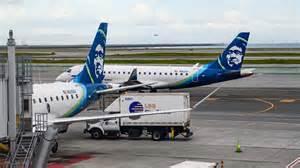
In 2025, Alaska Airlines introduced SpaceX’s Starlink low-Earth orbit satellite system aboard its Embraer E175 jets, marking a milestone in its digital strategy. The impact was immediate. Passengers and flight crews alike noted dramatic improvements in speed and reliability, especially on routes previously underserved by traditional geostationary satellite systems. Starlink’s inherent advantages—lower latency, higher throughput, and real-time responsiveness—translated into seamless streaming, smooth video calls, and fast web browsing, even at 35,000 feet.
The feedback loop was swift. Alaska’s internal metrics and guest surveys confirmed Starlink’s capacity to handle modern digital demands. These performance benchmarks outpaced legacy satellite offerings, compelling leadership to abandon the previous timeline and adopt a fleetwide fast-track strategy.
Ahead of Schedule: From Regional to Mainline
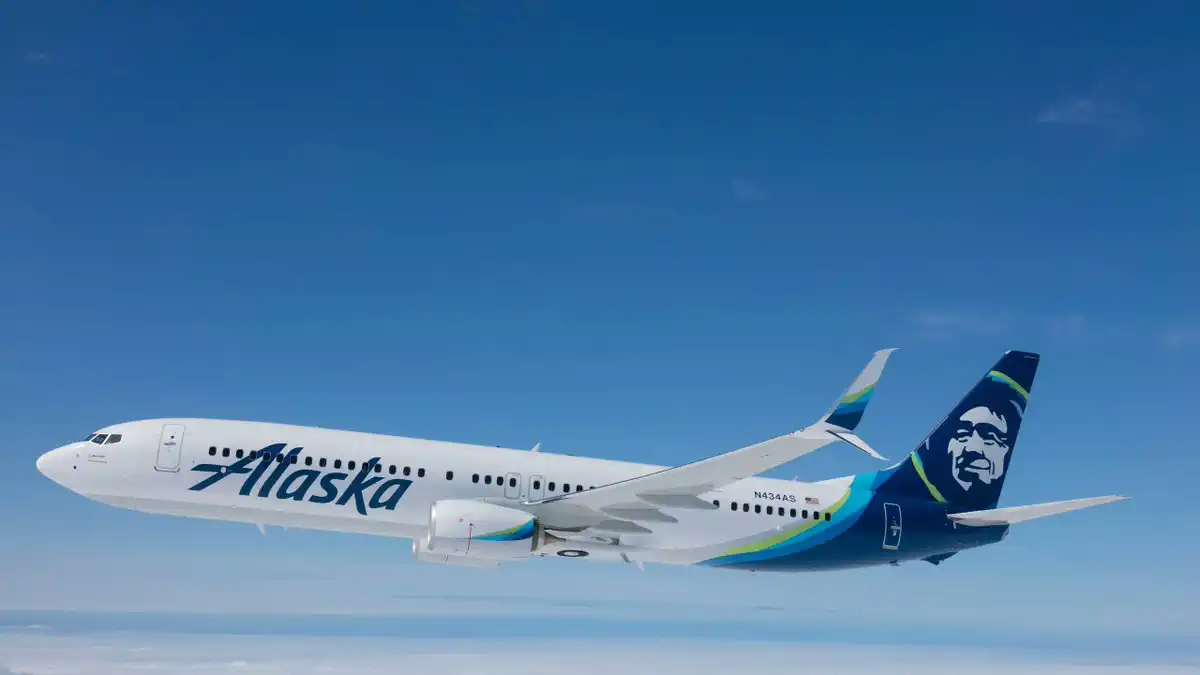
Todd Traynor-Corey, Alaska Airlines’ VP of Guest Products and Experience, revealed in a public statement that the airline is “moving ahead of schedule” with the goal of completing installations across E175s, Boeing 737s, and future 787 aircraft by 2027. What began as a cautious phased deployment is now a full-speed transformation. This acceleration places Alaska Airlines in the vanguard of aviation connectivity.
Initially announced in August 2025, the decision to transition to Starlink was driven by a need to modernize onboard connectivity. Now, with early deployment proving successful, Alaska has revised its trajectory—bringing mainline aircraft into the rollout far earlier than expected. Certification, installation, and system testing remain ongoing, but the pace is unmistakably brisk.
Alaska Airlines Bets Big on a Digital Future
The adoption of Starlink is not a standalone upgrade—it is a cornerstone of Alaska’s holistic guest experience strategy. Unlike traditional in-flight internet that was often slow and unreliable, the Starlink integration is being woven into the fabric of loyalty programs, passenger perks, and digital engagement initiatives.
For instance, Alaska Airlines has deepened its partnership with T-Mobile, allowing eligible loyalty members to access complimentary in-flight Wi-Fi on Starlink-equipped aircraft. This bundling of connectivity with loyalty programs signals a larger trend in aviation: connectivity is no longer a novelty—it’s a core competitive differentiator.

Passengers expect seamless digital experiences, and Alaska’s leadership understands that meeting these expectations can drive brand loyalty, positive sentiment, and ultimately repeat business. By offering high-speed internet gate-to-gate (pending FAA approval), the airline is positioning itself as a tech-forward carrier attuned to evolving traveler needs.
Starlink vs Legacy Systems: The Shift to LEO Dominance
The decision to go all-in with Starlink aligns with a broader industry shift toward low-Earth orbit (LEO) satellite networks. Unlike traditional systems reliant on distant geostationary satellites, LEO satellites orbit closer to Earth, dramatically reducing signal lag and ensuring consistent coverage even over remote terrain or oceanic stretches.
Airlines like Hawaiian Airlines, JSX, and airBaltic have also embraced Starlink, citing similar performance gains. These carriers report passengers experiencing uninterrupted HD streaming, quick VPN access for business tools, and a marked drop in service interruptions. Alaska’s early adoption across its regional fleet positions it ahead of competitors still reliant on slower, higher-latency infrastructure.
The Technical Backbone: What Starlink Brings to the Sky
Starlink’s in-flight system utilizes a compact, flat-panel antenna mounted on aircraft fuselages. This design allows for dynamic beam switching, maintaining a stable broadband connection even at high speeds and altitudes. The result is latency as low as 20ms and download speeds exceeding 100 Mbps per passenger in optimal conditions.
For business travelers, remote workers, and content creators, this unlocks a new paradigm: full productivity in the sky. Alaska Airlines’ adoption of this capability reflects a broader strategic intent to serve premium and tech-savvy passengers who prioritize connectivity.
Loyalty Programs and the Wi-Fi Value Proposition
By aligning Starlink access with its Mileage Plan loyalty program, Alaska Airlines creates a dual incentive: travel more, and stay connected for free. T-Mobile subscribers will benefit from no-cost Wi-Fi, giving the telecom provider another foothold in air travel partnerships while expanding Alaska’s customer value proposition.
This synergy has a ripple effect: it increases customer stickiness, encourages program participation, and enhances the overall perceived value of booking with Alaska. For the airline, it’s not just about technology—it’s about owning the end-to-end customer journey, from gate to gate.
Setting the Stage for Gate-to-Gate Connectivity
A major feature on the horizon is Alaska’s ambition for gate-to-gate Starlink connectivity, contingent on regulatory approvals. If successful, this would eliminate the Wi-Fi blackout period during taxi, takeoff, and landing, which currently affects most carriers using older systems.
Continuous connectivity supports a range of real-time services: live messaging, collaborative tools like Zoom or Teams, and even uninterrupted entertainment streaming. The potential here isn’t just passenger satisfaction—it also enables operational efficiencies, such as live aircraft diagnostics, better crew communication, and seamless data sharing between air and ground teams.
Strategic Implications for the Aviation Industry
Alaska Airlines’ fast-tracked rollout serves as a bellwether for the future of aviation connectivity standards. Airlines are no longer just competing on seats, meals, or baggage fees. They are competing on megabits per second.
This evolving digital arms race underscores a new reality: Wi-Fi isn’t optional—it’s table stakes. As Alaska blazes this trail, others are watching closely. Will American, Delta, or United respond with similar LEO investments? How soon will we see full transcontinental and international fleets fully outfitted with low-latency systems?
Final Thoughts: A Bold Bet That’s Paying Off
Alaska Airlines’ pivot from incremental to accelerated Starlink adoption demonstrates strategic vision grounded in passenger experience data. What began as a cautious rollout has evolved into a fleetwide commitment, reshaping not just connectivity expectations, but the brand’s long-term trajectory.
The airline has identified a core truth of 21st-century travel: passengers crave seamless digital access, and they reward carriers that deliver it. With each successful Starlink installation, Alaska Airlines isn’t just upgrading hardware—it’s redefining what it means to fly connected.
The skies are no longer the limit. They’re just the beginning.