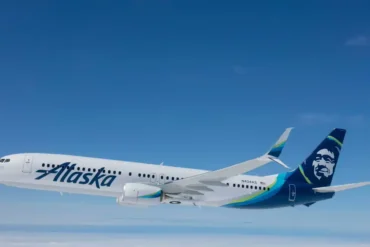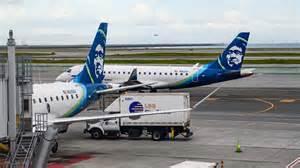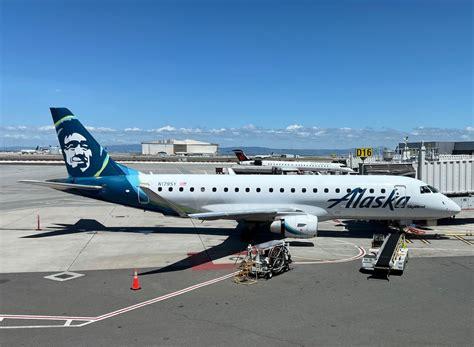
Alaska Airlines has officially joined the cutting-edge wave of inflight connectivity by launching Starlink Wi-Fi on four of its Embraer E175 regional jets. This move marks a bold step toward transforming passenger expectations for seamless, high-speed internet access at 35,000 feet. The new service, powered by SpaceX’s Starlink satellite internet, sets Alaska Airlines apart in the evolving landscape of US carriers investing in advanced connectivity solutions.
The Dawn of Starlink Wi-Fi at Alaska Airlines
The first four Embraer E175 aircraft, operated under the Alaska Horizon brand, are already flying with Starlink onboard, delivering a vastly superior online experience. Alaska Airlines is poised to retrofit the remainder of its Horizon fleet next, before turning its attention to its mainline Boeing 737 fleet, and ultimately its Boeing 787 Dreamliners—some of which were inherited from its newly acquired partner, Hawaiian Airlines.
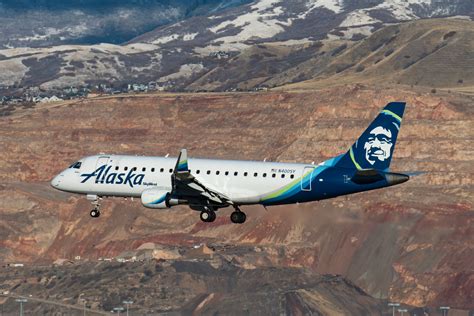
Unlike traditional inflight Wi-Fi systems, which often frustrate users with sluggish speeds and high latency, Starlink offers broadband-level performance. This includes high-speed streaming, real-time video calls, cloud-based productivity, and even gaming. The service will be offered gate-to-gate, eliminating the usual blackout periods during taxi, takeoff, or landing.
Free Connectivity for Atmos Rewards Members
Perhaps one of the most compelling aspects of this rollout is Alaska Airlines’ decision to offer Starlink Wi-Fi completely free for members of its Atmos Rewards program. This initiative, supported by T-Mobile, mirrors a growing industry trend among premium US airlines to democratize inflight internet access as a loyalty perk rather than a paid amenity.
By removing paywalls, Alaska aims to enhance the overall passenger experience, especially for business travelers, remote workers, and tech-savvy customers who rely on constant connectivity. The strategic collaboration with T-Mobile amplifies the incentive for passengers to enroll in the Atmos Rewards program, positioning it as a gateway to premium inflight benefits.
Retrofit Roadmap: Horizon to Mainline, Then Dreamliners
Alaska’s fleet-wide integration of Starlink is structured and ambitious. After completing the Horizon Air Embraer E175 upgrades, the airline will begin retrofitting its workhorse Boeing 737 series, which includes the 737-700, 737-800, 737-900ER, 737 MAX 8, and 737 MAX 9 models. The rollout will then extend to the Boeing 787-9 Dreamliners, some of which were acquired through the Hawaiian Airlines merger.
Each aircraft type must undergo a rigorous FAA Supplemental Type Certificate (STC) process before Starlink can be installed. While certification can be time-consuming, Alaska is confident in Starlink’s fast installation turnaround, once approvals are in place.
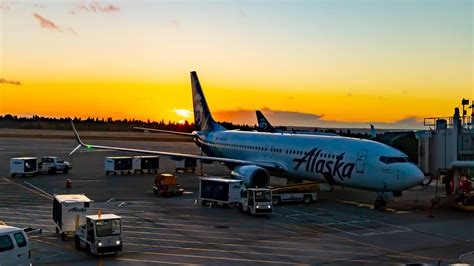
The current timeline aims to complete Starlink installation across the entire Alaska Airlines fleet by 2027, aligning the brand with the highest connectivity standards in the industry.
Hawaiian Airlines’ Influence and Starlink Legacy
Alaska’s acquisition of Hawaiian Airlines has notably influenced its decision to adopt Starlink across its own fleet. Hawaiian was the first airline globally to partner with SpaceX and install Starlink on its aircraft, including its Airbus A321neo and A330-200. These jets have already been delivering consistent high-speed Wi-Fi to passengers.
However, Hawaiian’s Boeing 717 fleet and the Dreamliners (soon to be integrated into Alaska’s operations) do not yet have any Wi-Fi systems. The 717s, due to their age and impending retirement, will remain non-Wi-Fi equipped, while the Dreamliners are scheduled to receive Starlink as part of the upcoming retrofit cycle.
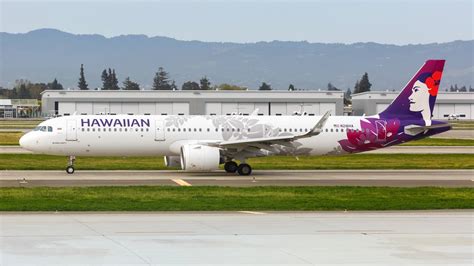
This strategic alignment ensures fleet-wide consistency across both brands, providing a unified and premium digital experience for all passengers flying under Alaska’s growing network.
Competitive Landscape: Starlink vs. Viasat and the Wi-Fi Wars
In the highly competitive US aviation market, inflight Wi-Fi has emerged as a key differentiator among legacy and premium carriers. Alaska Airlines now joins United Airlines and its own Hawaiian subsidiary as the only American carriers officially deploying Starlink across their fleets. United has primarily focused on its United Express regional jets, with plans to equip select mainline Boeing 787s starting in 2026.
Meanwhile, Delta Air Lines and American Airlines have leaned heavily on Viasat, another major player in the satellite internet space. Delta currently offers free Wi-Fi to SkyMiles members, and American will begin offering complimentary access to AAdvantage members starting in January 2026. JetBlue, notably, already provides free Wi-Fi on all its flights, although it relies on a different connectivity infrastructure.
With Starlink’s entry into Alaska’s fleet, the airline now positions itself at the forefront of inflight internet innovation, offering speeds comparable to those on the ground, ultra-low latency, and service that supports everything from streaming Netflix to conducting Zoom meetings while airborne.
FAA Certification Challenges and Technological Advancements
While the Starlink retrofit campaign promises high-impact benefits, it is not without challenges. Each aircraft variant—whether it’s operated by Horizon Air or SkyWest—requires a dedicated FAA STC. This includes Alaska’s entire range of aircraft from the compact Embraer E175s to the long-haul Boeing 787-9s.
Despite the complexity, Starlink’s relatively modular hardware and low-profile antenna design are expected to accelerate the installation timeline compared to traditional systems. Once the STC is secured for each model, installation can often be completed in under a day, minimizing aircraft downtime.
A Look at the Future: Alaska Airlines in 2027
By 2027, Alaska Airlines aims to achieve what few carriers have: a fully Wi-Fi-enabled fleet offering top-tier internet access to every passenger. This includes:
- Regional jets (E175s) already in the final stages of upgrades.
- A comprehensive 737 series undergoing sequential retrofits.
- Hawaiian and Alaska Dreamliners unified under a single connectivity standard.
This investment aligns with broader customer experience goals, enhancing both short-haul and long-haul travel and allowing Alaska to compete more aggressively with major players like United, Delta, and American in the domestic and international markets.
Customer Experience: From Frustration to Freedom
The days of buffering YouTube videos, dropped Zoom calls, and sluggish web pages are finally numbered aboard Alaska Airlines. With Starlink, passengers will be able to:
- Stream HD content on platforms like Netflix, YouTube, and Spotify
- Make video calls without interruptions
- Access cloud apps such as Google Workspace or Microsoft 365
- Enjoy real-time online gaming
- Engage in e-commerce and digital transactions securely
Gate-to-gate connectivity ensures no dead zones, and the decision to make Wi-Fi complimentary removes a longstanding pain point for travelers. It also marks a paradigm shift in Alaska Airlines’ branding—from a West Coast favorite to a nationally recognized leader in tech-forward aviation.
Final Thoughts: Alaska Airlines Elevates the Skies with Starlink
Alaska Airlines’ decision to embrace Starlink Wi-Fi represents a pivotal move not only for its fleet but also for the future of air travel in the United States. By delivering fast, reliable, and free internet access to its loyal customers, the airline has solidified its position as a pioneer in inflight digital transformation.
As the retrofit process advances toward its 2027 completion, passengers can expect a future where every Alaska Airlines flight is as connected as their living room, making productivity and entertainment in the sky the new standard, not the exception.