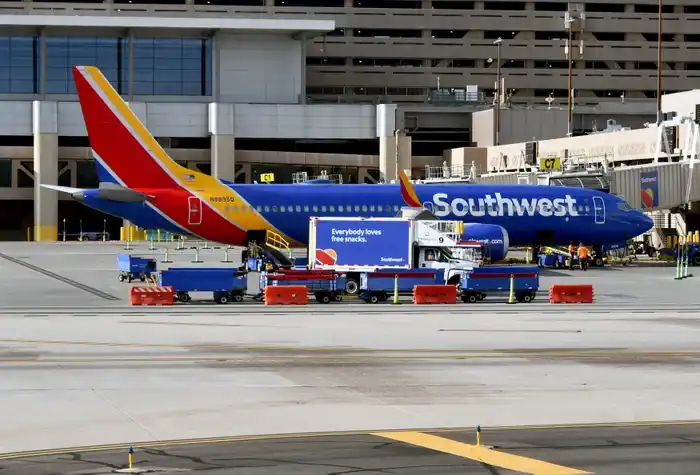
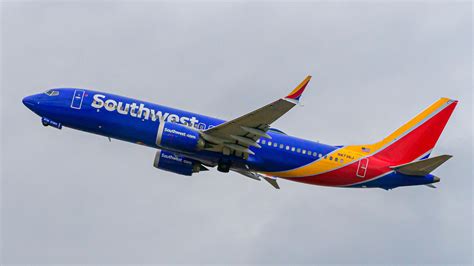
Southwest Airlines has officially entered the next phase of onboard connectivity after launching its first Boeing 737 equipped with SpaceX’s Starlink internet system. The milestone flight departed Dallas, Texas, on June 22 and headed to Albuquerque, New Mexico, marking the beginning of a major fleet modernization effort that is expected to bring ultra-fast internet service to hundreds of aircraft by the end of 2026.
The aircraft, registered as N8543Z, became the first Southwest jet to offer the new generation of satellite-powered connectivity. The airline plans to rapidly expand installations throughout its fleet, with approximately 300 aircraft expected to receive the system during the rollout. The initiative is designed to deliver an experience that closely resembles home broadband, allowing passengers to remain connected from departure to arrival without the interruptions traditionally associated with inflight internet.
Southwest’s strategy also strengthens its partnership with T-Mobile, enabling Rapid Rewards members to enjoy complimentary Wi-Fi access. The enhanced service represents one of the largest technology investments currently underway within the airline’s customer experience division.
Southwest Introduces High-Speed Streaming and Real-Time Connectivity
The arrival of Starlink transforms the way passengers use internet services in the air. Rather than downloading movies, work documents, or entertainment before boarding, travelers can now access cloud-based services throughout the journey. Business passengers can edit files stored online, conduct video conferences, and synchronize data in real time, while leisure travelers gain the ability to stream live sports events, movies, and television content in high definition.
Southwest describes the new system as an “at-home” internet experience. Thanks to Starlink’s low latency and increased bandwidth, the network supports activities that previously challenged aircraft Wi-Fi systems, including online gaming and video calls. SpaceX says the system has enough capacity to support simultaneous streaming by every passenger onboard without creating bottlenecks that degrade performance.
Passengers enrolled in Rapid Rewards receive free unlimited access. Those without membership can still connect by paying a flat fee of $8 per device for each flight. According to Tony Roach, Southwest’s Chief Customer and Brand Officer, the deployment signals the beginning of a new era in onboard connectivity and represents one of the fastest technology integrations currently being undertaken by the carrier.
Why Starlink Delivers Faster Internet Than Traditional Satellite Systems
The secret behind Starlink’s performance lies in its satellite architecture. Unlike conventional communications satellites positioned approximately 22,000 miles above Earth, Starlink relies on thousands of satellites orbiting at much lower altitudes, ranging from roughly 211 to 348 miles above the planet.
This dramatically shorter distance allows information to travel much faster between users and satellites, reducing latency and improving signal strength. Because the satellites operate nearly fifty times closer to Earth than legacy geostationary systems, passengers experience smoother streaming, faster loading times, and more stable connections.
Another major advantage is uninterrupted gate-to-gate service. Older aircraft internet systems often became available only after reaching 10,000 feet. Starlink’s network, however, can maintain connectivity during taxi, takeoff, cruising altitude, and landing, delivering continuous access throughout the entire flight.
Existing Aircraft Continue Operating With Legacy Providers
While Starlink installations accelerate, much of Southwest’s fleet still relies on previous connectivity partners Viasat and Anuvu. Aircraft awaiting retrofits will continue operating with those systems, ensuring passengers remain connected regardless of the specific aircraft assigned to their route.
Rapid Rewards members continue receiving complimentary unlimited Wi-Fi across the fleet, regardless of whether the aircraft uses Starlink, Viasat, or Anuvu hardware. This approach allows Southwest to maintain consistency while gradually introducing the new technology across hundreds of airplanes.
The phased deployment minimizes operational disruptions and gives the airline flexibility to install equipment while maintaining its busy domestic network.
Starlink Performance Brings Major Speed Improvements
Performance gains represent perhaps the most impressive aspect of the new system. Download speeds aboard Starlink-equipped aircraft typically range between 50 Mbps and 250 Mbps, offering speeds that can be three to fifteen times faster than earlier generations of inflight internet. Upload performance ranges from 24 Mbps to 37 Mbps, providing substantial improvements for cloud applications, video calls, and online gaming.
These advancements place Southwest among the growing number of airlines embracing SpaceX’s satellite technology. Industry testing has already demonstrated the advantages of Starlink-equipped fleets, with carriers such as Hawaiian Airlines delivering some of the fastest internet speeds available in commercial aviation.
As Southwest pushes toward its goal of upgrading 300 aircraft by the end of 2026, the airline is positioning itself to deliver a significantly improved digital experience. For passengers increasingly expecting uninterrupted connectivity wherever they travel, the introduction of Starlink marks one of the most important upgrades to Southwest’s onboard experience in years.