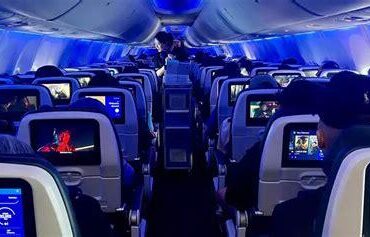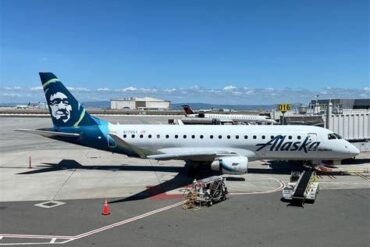
United Airlines is moving decisively toward a future where high-speed, free inflight connectivity becomes a standard rather than a luxury. The Chicago-based carrier has outlined an ambitious plan to equip its entire fleet with Starlink-powered WiFi by the end of 2027, marking one of the most aggressive connectivity upgrades in commercial aviation. With installations already completed across its regional aircraft, the airline is now concentrating efforts on narrowbody and widebody jets, aiming to redefine the passenger experience at cruising altitude.
The initiative reflects a broader shift in airline priorities, where seamless digital connectivity is no longer optional. United’s partnership with SpaceX’s Starlink positions the airline at the forefront of this transformation, leveraging a low-Earth orbit satellite network capable of delivering speeds that rival ground-based broadband. For passengers, this translates into uninterrupted access from gate to gate, a stark contrast to the patchy and delayed connections that have long plagued inflight WiFi systems.
The rollout began in earnest last fall, when United started installing Starlink on its Boeing 737 fleet, a workhorse of its domestic operations. Progress has been steady, with the airline expecting half of its narrowbody fleet to be equipped by the end of the current year. This phased approach allows United to scale installations efficiently while maintaining operational reliability, ensuring minimal disruption to its flight schedule.
Inside United’s Starlink Deployment Strategy
United’s upgrade strategy is both methodical and expansive. After completing installations across more than 300 regional aircraft, the airline is now focusing on its mainline fleet, beginning with the Boeing 737 series and soon transitioning to the Airbus A321neo. Widebody aircraft, including long-haul jets, are scheduled to follow, with full fleet completion targeted by 2027.
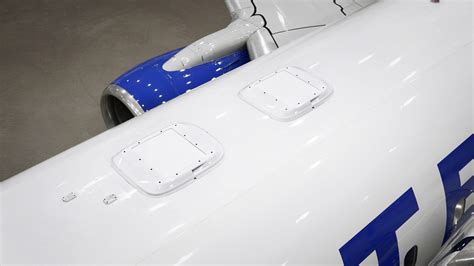
Each aircraft is being fitted with dual Starlink antennas, ensuring consistent signal reception even during high-demand usage. The onboard infrastructure varies by aircraft size, with two routers installed on narrowbody planes and four on widebody aircraft, enabling robust bandwidth distribution across cabins. This technical configuration is designed to support everything from casual browsing to bandwidth-intensive activities such as streaming and live collaboration.
United has already achieved a notable milestone, with approximately 25% of its daily departures now operating with Starlink connectivity. This early adoption phase is providing valuable operational insights while simultaneously boosting customer satisfaction.
A Demonstration Flight That Showcased the Future
To highlight the capabilities of its new system, United hosted a demonstration flight aboard a Boeing 737-900ER during its “Elevated” event at Los Angeles International Airport. The flight, which traced a scenic route along the California coastline, offered media and industry insiders a firsthand look at the performance of Starlink in real-world conditions.
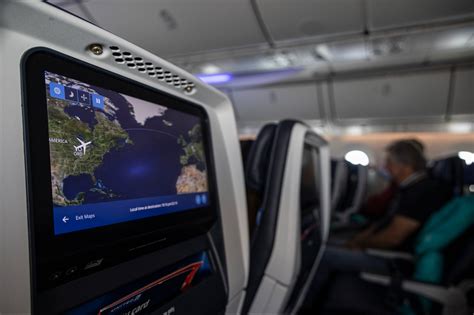
Passengers onboard experienced continuous connectivity from boarding to landing, a feature that fundamentally alters how travelers interact with inflight services. Unlike traditional systems that activate only after takeoff, Starlink allows immediate access, eliminating downtime and enhancing productivity and entertainment options alike.
Free, Fast, and Built for Modern Travelers
One of the most compelling aspects of United’s Starlink offering is its pricing model: completely free for MileagePlus members. Enrollment in the airline’s loyalty program is also free, effectively removing barriers to access and encouraging widespread adoption.
The performance metrics are equally impressive. Starlink’s low-latency network enables passengers to:
- Stream high-definition video without buffering
- Participate in live video calls and virtual meetings
- Upload and download large files بسرعة comparable to ground networks
- Engage in online gaming and real-time collaboration
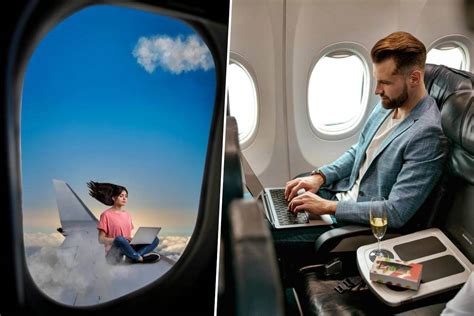
This level of connectivity transforms the aircraft cabin into a fully functional digital workspace or entertainment hub. Business travelers can remain productive throughout their journey, while leisure passengers gain access to a broader range of online experiences, from shopping to streaming.
Passenger Satisfaction Reaches New Heights
Early feedback suggests that the investment is already paying off. United reports that passenger satisfaction scores for inflight WiFi have nearly doubled on aircraft equipped with Starlink. Travelers consistently highlight the reliability, speed, and uninterrupted coverage as standout features.
This improvement is particularly significant given the airline’s diverse fleet, which includes aircraft with an average age of over 17 years. While some older models—such as the Boeing 767-300ER and Airbus A319/A320—remain in service, United’s ongoing fleet renewal strategy may influence how extensively these aircraft are upgraded.
Strategic Implications for the Aviation Industry
United’s aggressive rollout signals a broader industry shift toward connectivity as a core service offering. By integrating Starlink across its fleet, the airline is not merely improving WiFi—it is reshaping the expectations of modern air travel. Competitors will likely face increasing pressure to match or exceed these capabilities, accelerating innovation across the sector.
The partnership also underscores the growing influence of space-based infrastructure in commercial aviation, as satellite networks become integral to passenger experience and operational efficiency. For United, the move represents both a technological upgrade and a strategic investment in customer loyalty.
As installations continue and more aircraft come online, the airline is steadily building a future where being offline at 35,000 feet becomes a thing of the past.