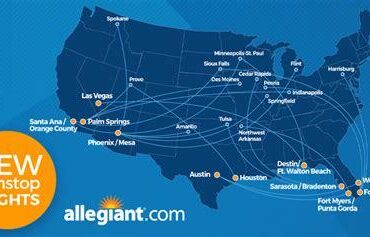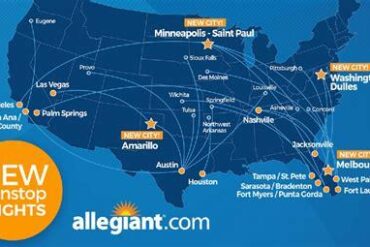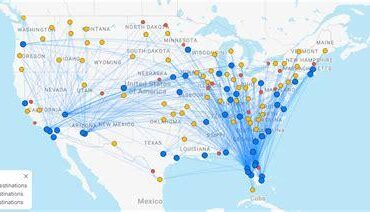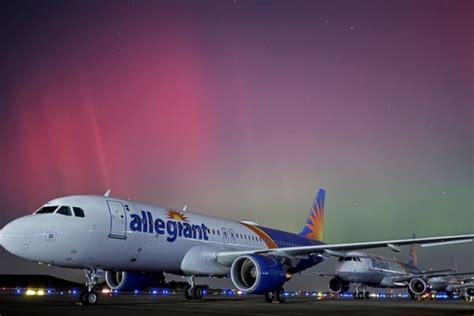
Allegiant Air has once again reinforced its disruptive strategy in the U.S. aviation landscape by launching five new domestic routes that aren’t served by any other airline. This strategic move continues Allegiant’s focus on linking secondary and leisure-focused cities through direct, low-cost flights—eschewing the traditional hub-and-spoke model used by legacy carriers. These new routes not only highlight the airline’s commitment to underserved markets but also amplify its growing influence in key regional airports across the U.S.
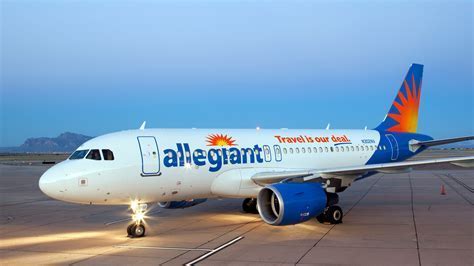
Allegiant’s Route Map Grows: A Focus on Vacation Destinations and Regional Hubs
The latest expansion, which was quietly finalized in airline scheduling systems after an announcement in late May, reflects Allegiant’s keen understanding of demand patterns in the post-pandemic travel landscape. Beginning in late August and rolling out through early October, the new nonstop routes include:
- Fort Lauderdale-Hollywood International Airport (FLL) ↔ South Bend International Airport (SBN) – Launching August 29
- McGhee Tyson Airport (TYS) near Knoxville ↔ Memphis International Airport (MEM) – Launching September 4
- Gulf Shores International Airport (GUF) ↔ Appleton International Airport (ATW) – Launching October 2
- Gulf Shores International Airport (GUF) ↔ Des Moines International Airport (DSM) – Launching October 3
- McGhee Tyson Airport (TYS) ↔ Key West International Airport (EYW) – Launching October 3
Each of these routes connects cities with little or no current nonstop service, effectively eliminating the need for time-consuming connections or long road trips for travelers heading to or from these destinations.
Deepening Roots in Strategic Gateways
This move isn’t just a route expansion—it’s part of a broader strategy to grow within markets where Allegiant already holds strong brand recognition. The airline currently operates bases in Fort Lauderdale, Knoxville, Appleton, and Des Moines, which gives it a competitive advantage when launching new services. With existing operations, crew bases, and localized marketing support in place, Allegiant can quickly stimulate demand and scale operations with minimal friction.
One of the most intriguing developments is at Gulf Shores International Airport (GUF) in Alabama, a relatively small regional airport that has become a cornerstone in Allegiant’s network. With the two new GUF routes added, Allegiant will now serve eight destinations from the airport—cementing GUF as a rapidly growing outstation for the carrier.

Ultra-Low-Cost Strategy Tailored for Leisure Travelers
Allegiant’s entire business model is built around point-to-point connections that bypass congested hubs, with a keen emphasis on vacation travel. This latest expansion underscores that philosophy, linking popular beach destinations like Gulf Shores and Key West with Midwestern cities, while also opening up the Smoky Mountains region via Knoxville. These routes serve not just travelers looking for sun and sand, but also regional tourists seeking quick, affordable getaways.
What makes these new connections especially compelling is that no other carrier operates them—giving Allegiant a monopoly in each city pair. This exclusivity allows the airline to set pricing strategies, build loyalty, and offer consistent schedules without facing immediate pressure from competitors.
Unprecedented Intrastate Route and Market Re-entry
Among the most notable additions is the Knoxville (TYS) to Memphis (MEM) flight, a 342-mile intrastate route that marks Allegiant’s first-ever intra-Tennessee service. This flight has not been operated by any airline since Southern Airways Express ceased service in May 2015. Prior to that, it was a staple for Northwest Airlines and Delta Air Lines, thanks to Memphis’ historical role as a major hub.
Reintroducing this route raises important questions about demand and viability. Department of Transportation data indicates that only about 10 passengers per day flew between Knoxville and Memphis via connections in 2023. However, when nonstop service was available in the past, that figure doubled to over 20 passengers daily. While these numbers may seem modest, Allegiant’s low-overhead model is designed to thrive on precisely these kinds of niche, underserved corridors.

Aggressive Pricing and Demand Generation
To spur early bookings and build momentum, Allegiant has rolled out introductory fares that dramatically undercut traditional pricing. These fares include:
- $39 each way for TYS-MEM
- $49 each way for TYS-EYW
- $59 each way for all other new routes
Such aggressive pricing is meant to capture latent demand from travelers who previously opted for lengthy drives or connecting itineraries. With direct flights now available at near-budget road trip costs, Allegiant is betting big on a strong conversion from ground to air travel.
GUF as a Rising Star in Allegiant’s Portfolio
Few would have predicted that Gulf Shores, Alabama—better known as a quaint Gulf Coast beach town—would become one of Allegiant’s most important strategic airports. Yet, with eight destinations now being served from Gulf Shores International Airport, it’s clear the airline sees substantial growth potential.
GUF’s appeal lies in its proximity to beach resorts, family attractions, and second-home communities, making it a prime candidate for low-frequency but high-demand seasonal travel. Unlike congested major hubs, GUF offers quick turnaround times, lower landing fees, and more flexible gate access—factors that perfectly suit Allegiant’s lean operational philosophy.
Strategic Timing for Seasonal Traffic
Allegiant’s staggered rollout schedule—starting in late August and extending through early October—appears deliberately timed to capitalize on shoulder-season travel. As families wrap up summer vacations and retirees plan autumn escapes, these new routes provide attractive alternatives to crowded legacy carrier routes.
For instance, Knoxville to Key West in early October positions Allegiant to intercept Florida-bound snowbirds and beachgoers just as temperatures begin to dip across the Midwest and South.

A Growing Network Without Hub Dependency
While most airlines continue to rely on centralized hubs to funnel traffic, Allegiant’s ongoing expansion proves the viability of non-hub, underserved route networks. The airline thrives by:
- Identifying overlooked demand corridors
- Targeting leisure-first traffic
- Operating low-frequency flights with high load factors
- Avoiding the complexity of interlining and connections
In doing so, Allegiant avoids costly operational burdens while offering a product that appeals to a value-driven, destination-focused traveler base. These new routes are a natural continuation of that model, and if successful, will likely spur even more similar announcements in the near future.
What This Means for the Airline Industry
Allegiant’s latest expansion isn’t just an incremental route addition—it’s a strategic market play that continues to challenge traditional notions of airline profitability. While legacy carriers concentrate on premium travel and corporate contracts, Allegiant has cornered a different market: vacation-oriented, low-frequency, high-demand travel between secondary airports.
If these routes prove successful, it could validate a broader shift in domestic air travel priorities post-pandemic. It underscores that travelers are increasingly willing to pay for convenience—even if it means flying from a less-familiar airport—so long as the price and routing make sense.
By occupying these uncontested routes, Allegiant not only cements its brand in previously untapped markets, but also sends a clear signal to competitors: there’s still plenty of runway left in American airspace for those willing to venture off the beaten path.