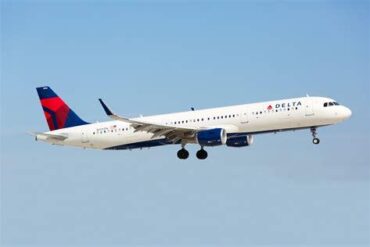
Delta Air Lines is strengthening its domestic leisure network with the launch of two new seasonal weekend routes connecting travelers from New York LaGuardia (LGA) and Austin-Bergstrom International Airport (AUS) to popular destinations in Florida. Scheduled to begin during the 2026-2027 winter travel season, the additions reflect the airline’s continued strategy of deploying capacity where demand is strongest while giving vacationers more convenient nonstop travel options.
Rather than committing aircraft to year-round operations, Delta is focusing on carefully timed seasonal services that align with the annual surge in travelers seeking warm-weather destinations. The new flights also reinforce the carrier’s broader network optimization strategy, balancing fleet efficiency, profitability, and customer convenience across its growing domestic system.
Delta Targets Winter Leisure Travelers With Two New Florida Routes
The airline’s latest expansion centers on two distinct leisure markets that experience significant increases in visitor traffic between late autumn and early spring.
Beginning December 19, 2026, Delta will introduce a weekend-only nonstop service linking New York LaGuardia Airport with Melbourne Orlando International Airport. Operating every Saturday and Sunday through May 2, 2027, the route offers travelers across the New York metropolitan region direct access to Florida’s scenic Space Coast without requiring a connection through one of Delta’s larger hubs.
The second addition launches slightly earlier. Starting November 21, 2026, Delta will begin Saturday-only flights between Austin-Bergstrom International Airport and Southwest Florida International Airport in Fort Myers. The seasonal service will continue through April 10, 2027, targeting vacationers heading to Southwest Florida during the busiest months of the winter tourism season.
After three paragraphs, image placement naturally enhances the reading experience.
New Flight Schedule Supports Peak Vacation Demand
The newly announced routes are intentionally limited to weekends, allowing Delta to maximize aircraft utilization while serving periods of highest leisure demand.
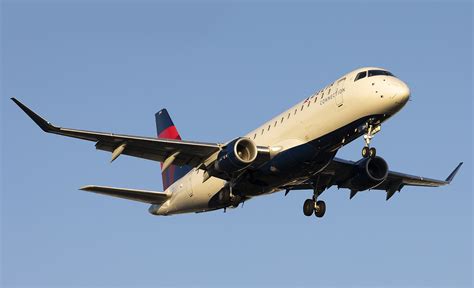
The LaGuardia–Melbourne service will operate with the Embraer E175, an aircraft well suited for thinner domestic markets where right-sized capacity is essential. The regional jet provides passengers with a comfortable cabin while allowing Delta to efficiently serve destinations that may not justify larger narrowbody aircraft throughout the year.
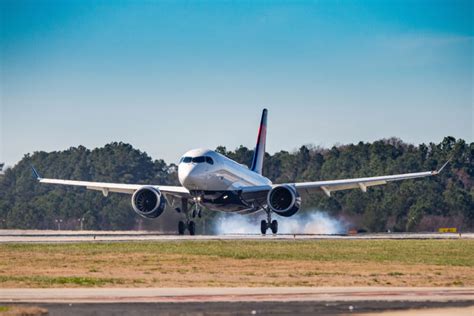
Meanwhile, the Austin–Fort Myers route will utilize the Airbus A220-300, one of the newest and most technologically advanced aircraft in Delta’s domestic fleet. The modern airliner combines improved fuel efficiency, quieter engines, larger overhead bins, and a more spacious passenger cabin than many older aircraft it replaces. These advantages make it particularly attractive for medium-haul leisure markets where operating economics and passenger comfort are equally important.
Florida Continues To Drive Seasonal Growth
Florida remains one of Delta’s strongest domestic markets, especially during the colder months when travelers from northern states and central Texas seek sunshine, beaches, and outdoor recreation.
The addition of Melbourne provides convenient access to Florida’s Space Coast, nearby Atlantic beaches, cruise terminals, and attractions located along the state’s eastern coastline. Previously, many travelers flying with Delta would have needed to connect through Atlanta or another hub before reaching Melbourne. The new nonstop option significantly reduces overall travel time while simplifying the journey.
Similarly, Fort Myers continues to attract visitors heading to Southwest Florida’s renowned beaches, golf resorts, nature preserves, and nearby islands. Seasonal demand routinely peaks between November and April, making it an ideal market for limited-duration nonstop service.
Austin Continues To Evolve Within Delta’s Network Strategy
The latest announcement also reflects Delta’s evolving approach to its growing Austin operation.
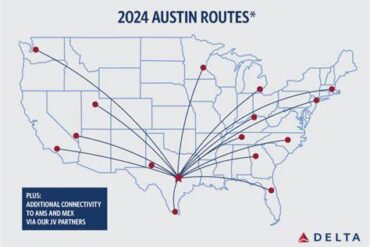
Earlier in 2026, the airline unveiled a new nonstop connection between Austin and San Jose, strengthening links between Texas and Silicon Valley. That expansion followed the discontinuation of nonstop flights to Memphis and New Orleans, illustrating Delta’s willingness to continually reallocate aircraft toward markets demonstrating stronger long-term demand.
Rather than maintaining underperforming routes, the carrier has increasingly shifted resources toward destinations where passenger demand, competitive positioning, and revenue potential better align. The seasonal Fort Myers addition represents another example of this disciplined network planning.
Austin has steadily become an increasingly important focus city, supported by rapid population growth, expanding business travel, and rising leisure demand. Seasonal routes complement the city’s year-round network by adding capacity precisely when travelers are most likely to book vacation flights.
Fleet Modernization Supports Seasonal Expansion
The deployment of the Airbus A220-300 further highlights Delta’s ongoing investment in fleet modernization.
Compared with older narrowbody aircraft, the A220 delivers lower operating costs while offering improved fuel efficiency and reduced environmental impact. For airlines operating seasonal routes, these advantages translate into greater flexibility when matching aircraft size with fluctuating passenger demand.
The Embraer E175 serves a complementary role by enabling profitable operations in markets requiring fewer seats without sacrificing passenger comfort. Together, the two aircraft types provide Delta with an efficient combination for expanding service while maintaining disciplined cost control.
This fleet flexibility has become increasingly valuable as airlines refine schedules around seasonal demand patterns rather than relying solely on year-round operations.
Strategic Expansion Reinforces Delta’s Competitive Position
Delta’s latest route additions demonstrate a broader strategy focused on precision rather than sheer scale. By identifying high-demand leisure markets and introducing carefully timed weekend service, the airline maximizes aircraft productivity while giving customers more nonstop travel choices.
The combination of targeted scheduling, modern aircraft, and carefully selected destinations allows Delta to strengthen its presence in competitive Florida markets without committing unnecessary year-round capacity. As winter travel demand continues to rise, these seasonal services position the carrier to capture additional leisure traffic while reinforcing its expanding network from both New York LaGuardia and Austin.
Should passenger demand meet expectations throughout the inaugural season, these routes may eventually provide a foundation for expanded frequencies or longer operating windows, further enhancing Delta’s domestic leisure network in future winter schedules.