Delta Air Lines has entered a bold new chapter in transcontinental aviation, unveiling ten ultra-long-haul routes for 2026—some stretching nearly 17 hours nonstop. These ambitious services not only solidify Delta’s role as a dominant international player but also reshape global travel options for passengers across the U.S. and beyond.
Delta’s Global Ambitions in Motion
With data from OAG showing that Delta operates one in every 20 long-haul flights globally, the Atlanta-based airline maintains its position as the world’s second-largest long-haul operator, behind only United Airlines. Among U.S. carriers, Delta has surged ahead to become the leading operator to Africa, while trailing slightly behind United and American Airlines in markets like Asia, Europe, and South America.
A Game-Changing List of Ultra-Long Routes
Delta’s 2026 long-haul schedule, spanning January through October, includes ten monumental routes, several of which are either entirely new or have been reintroduced after years of hiatus. With each clocking in between 14 and nearly 17 hours, these flights exemplify the airline’s operational capabilities and strategic foresight.
Longest Route: Johannesburg to Atlanta (16h 55m)
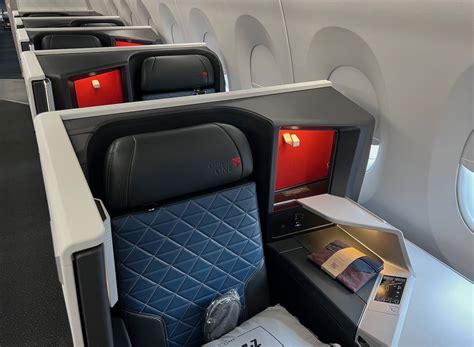
Flying aboard the 275-seat Airbus A350-900, this flagship route from South Africa’s economic capital to Delta’s global hub is its longest scheduled service in 2026. Operating between five times weekly to daily, this route anchors Delta’s strength in transatlantic connections.
Second-Longest: Cape Town to Atlanta (16h 30m)
Also powered by the A350-900, Delta’s direct link from Cape Town ranks as the second-longest and speaks to the airline’s commitment to leisure and business demand between the U.S. and Africa.
Detroit to Shanghai (16h 15m)
Delta’s reestablished presence in China emerges with a significant daily service. As Sino-American relations cautiously thaw, this route returns to connect Midwest manufacturing hubs with one of Asia’s largest financial centers.
Los Angeles to Melbourne (16h 05m)
Inaugurated in December 2024, this route marks Delta’s first-ever entry into Victoria’s capital, forming part of its broader strategy in the Australia-Pacific region.
Building Bridges Across Continents
Delta’s ultra-long flights connect a rich tapestry of cities, regions, and continents. The introduction of these marathon routes is not simply about distance—it is about market development, brand placement, and connectivity at scale.
Strategic Expansion: Atlanta to Riyadh (15h 35m)
Launching October 24, this flight marks Delta’s entry into Saudi Arabia—a market previously unexplored by the airline. Fueled by investments from the Saudi Air Connectivity Program, codeshare agreements with Saudia, and a strategic partnership with the new Riyadh Air, this route is a key milestone in U.S.-Middle East aviation relations.
West Coast to the Orient: LAX to Hong Kong (15h 30m)
Delta returns to Hong Kong for the first time since 2016. The daily flight from Los Angeles not only reopens a vital link to Southern China but strengthens Delta’s position in the transpacific corridor.
Strengthening Seoul Links: Detroit and Atlanta
Delta doubles down on Seoul Incheon with two routes:
- Detroit to Seoul (15h 30m)
- Atlanta to Seoul (16h 00m)
These flights, running daily or more, connect Korean Air’s global hub with Delta’s core U.S. markets, underscoring the SkyTeam synergy.
Pacific Giants: Sydney and Brisbane
- Los Angeles to Sydney (15h 15m): Now upgraded to as many as 11 weekly flights, this route continues to be Delta’s anchor in Australia.
- Los Angeles to Brisbane (14h 45m): Originally launched in December 2024, this seasonal route has proven its worth with impressive 85% load factors, outperforming Qantas on its own turf. The service marked the first time all three major U.S. carriers—Delta, United, and American—flew to Queensland’s capital.
Past Routes Paved the Way
Delta has a rich history of ultra-long-haul service. Historic examples include:
- Mumbai to Atlanta (17h 55m)
- Dubai to Atlanta (17h 28m)
Both previously operated by the now-retired Boeing 777-200LR, these flights set the precedent for Delta’s ambition in stretching its network across continents. While no longer flying to India or the UAE, Delta has publicly expressed its interest in returning to India, potentially signaling future expansions even beyond its 2026 portfolio.
Consistency Through Fleet Strategy
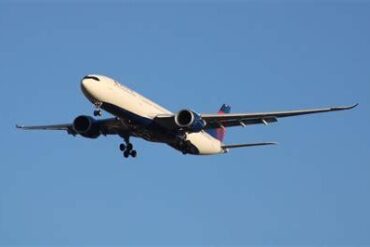
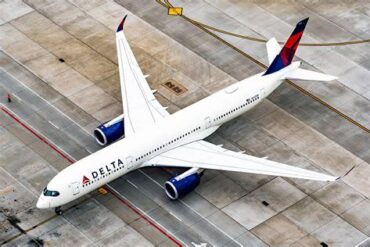
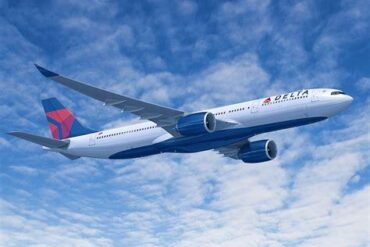
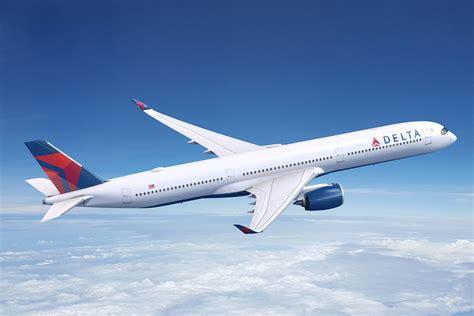
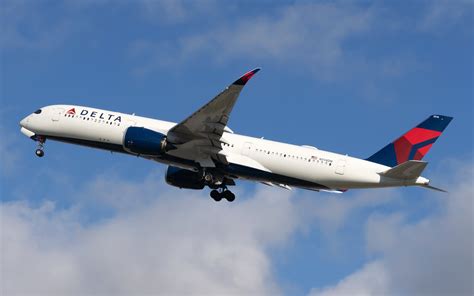
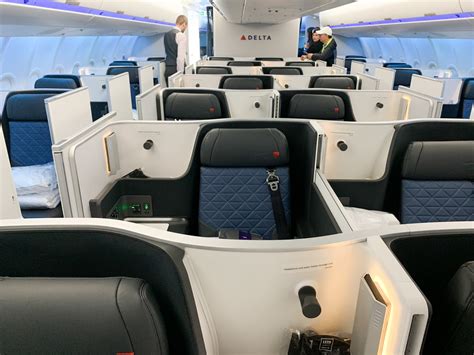
All of Delta’s longest flights are operated using the Airbus A350-900, a widebody aircraft optimized for ultra-long-haul missions. Most services utilize the 275-seat configuration, while a few may feature a 306-seat variant on select days. The A350 offers enhanced fuel efficiency, improved cabin pressure, and lower noise, enhancing the passenger experience on grueling intercontinental flights.
Market Dynamics and Global Competition
Delta’s strategic moves reflect larger trends in the global airline industry:
- Expansion into emerging markets like Saudi Arabia
- Reentry into key Asian hubs such as Hong Kong and Shanghai
- Aggressive positioning in Australasia, with two routes to Australia
These are not just network updates—they are a direct response to competitor actions, shifting global demand, and evolving bilateral partnerships.
For example, United’s brief foray into the Los Angeles–Brisbane market with low load factors (49%) may have spurred Delta’s successful launch with superior performance metrics. Similarly, the reactivation of Hong Kong and Shanghai flights echoes broader reopening in the transpacific market, where Delta competes not only with U.S. carriers but with Asian mega-hubs and their homegrown airlines.
Looking Ahead: More Than Just Miles
Delta’s 2026 long-haul strategy is defined by connectivity, competitiveness, and customer value. These ultra-long-haul flights are not only about covering vast distances but delivering seamless access to new markets, aligning with business and leisure travel demand, and cementing Delta’s status as a truly global airline.
As more strategic initiatives unfold—especially in India and the Middle East—the horizon of Delta’s international operations promises to extend even further. With powerful partnerships, modern aircraft, and clear market insights, Delta is not merely keeping pace—it is setting the pace in ultra-long-haul air travel.