The global aviation landscape is shifting rapidly, and Etihad Airways is positioning itself at the forefront of ultra-long-haul travel with an ambitious expansion strategy for 2026. By introducing and strengthening routes that stretch up to 16 hours nonstop, the Abu Dhabi-based carrier is not just increasing capacity—it is redefining connectivity between continents. These routes are more than operational feats; they are strategic bridges linking high-demand markets across North America, Australia, and beyond.
In a region dominated by fierce competitors, Etihad’s renewed growth trajectory stands out. While Gulf rivals have long commanded global attention, Etihad is quietly executing one of the most aggressive long-haul expansions in the Middle East, increasing its total flights by 16% year-over-year. This surge reflects both renewed confidence and calculated risk, especially given the airline’s historically cautious approach following earlier restructuring phases.
At the heart of this expansion lies Abu Dhabi, the airline’s central hub and operational nucleus. Every ultra-long-haul route radiates outward from this strategic location, maximizing connectivity to Asia, Europe, and Africa. The result is a finely tuned network where long-distance passengers seamlessly connect through a single gateway, reinforcing Abu Dhabi’s growing importance in global aviation flows.
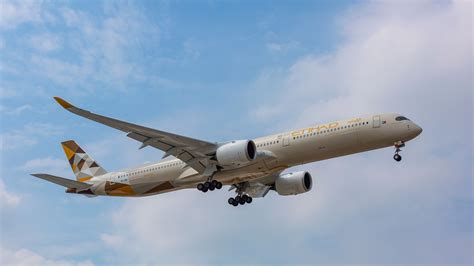
The 10 Longest Etihad Routes in 2026: Engineering Global Reach
Etihad’s 2026 schedule reveals a portfolio of routes that push aircraft endurance and passenger expectations to new limits. These flights are measured using maximum block time, which accounts for everything from taxiing to airborne duration and minor delays—offering a realistic picture of total travel time.
The longest route, from Abu Dhabi to Atlanta, clocks in at an impressive 16 hours and 10 minutes, making it the airline’s flagship ultra-long-haul service. Close behind are routes to Charlotte and Chicago O’Hare, both exceeding 15 hours and reflecting Etihad’s intensified focus on underserved yet high-potential U.S. markets.
Other notable additions include:
- Toronto, operated by the Airbus A380, maintaining a strong transatlantic presence
- New York JFK, with dual daily frequencies combining efficiency and flexibility
- Calgary, a newly introduced destination expanding Etihad’s footprint in Canada
- Sydney and Melbourne return legs, highlighting the airline’s enduring Australia connection
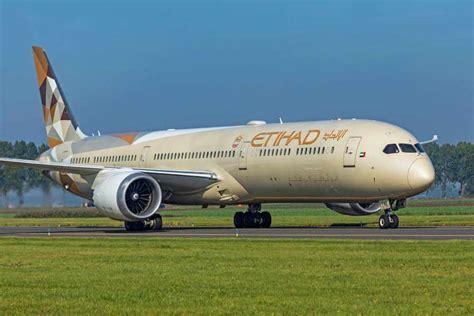
Each route is carefully matched with aircraft types like the Airbus A350-1000 and Boeing 787-9, chosen for their fuel efficiency, range, and passenger comfort on extended journeys.
Abu Dhabi to Atlanta: The Crown Jewel of Ultra-Long-Haul Strategy
The Abu Dhabi–Atlanta route encapsulates Etihad’s long-haul ambition. Since its launch in mid-2025, it has quickly evolved into the airline’s longest and most operationally complex service. Atlanta’s status as the world’s busiest passenger airport makes it a high-stakes destination, demanding both capacity and consistency.
What makes this route particularly fascinating is its evolving flight duration. Prior to regional geopolitical disruptions, flights typically ranged between 14.5 to 15 hours. However, rerouting due to airspace restrictions has extended journey times significantly, often exceeding 16 hours and occasionally reaching nearly 17.
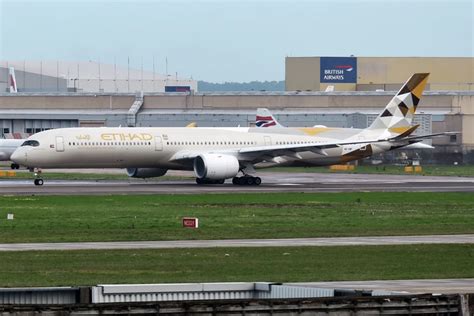
This variability underscores a critical reality of ultra-long-haul operations: they are as much about adaptability as they are about distance. Airlines must constantly recalibrate routes, fuel loads, and crew scheduling to maintain efficiency under changing conditions.
Passenger Demand and Network Connectivity Driving Growth
Despite being a relatively new route, Atlanta has already demonstrated promising demand patterns. Load factors averaged around 75.5% during its initial months, a respectable figure for a newly introduced long-haul service. However, deeper analysis reveals more nuanced insights.
A significant majority of passengers—approximately 88%—were connecting travelers, using Abu Dhabi as a transit hub rather than a final destination. Among these, routes to and from India dominated, accounting for over 70% of connecting traffic. Cities like Mumbai, Delhi, and Bengaluru emerged as key endpoints, reinforcing Etihad’s reliance on the India-U.S. corridor.
This connectivity model is central to Etihad’s strategy. Rather than relying solely on point-to-point demand, the airline leverages its hub to aggregate traffic from multiple regions, creating sustainable passenger flows even on ultra-long routes.
Fleet Optimization: Matching Aircraft to Mission
Ultra-long-haul success depends heavily on aircraft selection, and Etihad’s fleet deployment reflects a precise alignment between capability and route demands. The Airbus A350-1000 plays a leading role, offering extended range, lower fuel consumption, and enhanced passenger comfort—critical for flights exceeding 15 hours.
Meanwhile, the Boeing 787-9 provides flexibility for slightly shorter long-haul routes, balancing efficiency with capacity. The continued use of the Airbus A380 on high-demand routes like Toronto demonstrates Etihad’s willingness to deploy larger aircraft where market conditions justify it.
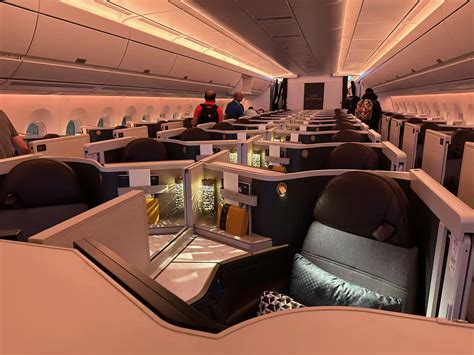
This diversified fleet strategy ensures that each route operates at optimal efficiency while maintaining a consistent onboard experience across different aircraft types.
Strategic Implications: Growth, Risk, and Sustainability
Etihad’s rapid expansion raises inevitable questions about sustainability. Increasing flight frequencies and launching new ultra-long-haul routes require substantial investment, not only in aircraft and crew but also in operational resilience.
Yet the airline appears to be pursuing a measured growth strategy, focusing on high-yield markets and leveraging its hub connectivity to mitigate risk. By targeting routes with strong connecting demand—particularly between North America and South Asia—Etihad reduces its dependence on local traffic alone.
At the same time, external factors such as geopolitical tensions and airspace restrictions introduce uncertainty. Extended flight times, higher fuel consumption, and operational complexities can impact profitability, making adaptability a core competency for success in this segment.
The Future of Ultra-Long-Haul Travel
Etihad’s 2026 network is more than a schedule—it is a statement of intent. As airlines worldwide explore the limits of nonstop travel, ultra-long-haul routes are becoming a defining feature of modern aviation, offering passengers unprecedented convenience while challenging operational boundaries.
By pushing flights to the 16-hour mark and beyond, Etihad is not merely keeping pace with competitors—it is actively shaping the future of intercontinental travel. The success of these routes will depend on a delicate balance of demand, efficiency, and resilience, but one thing is certain: the era of ultra-long-haul aviation is no longer a niche—it is the new frontier.